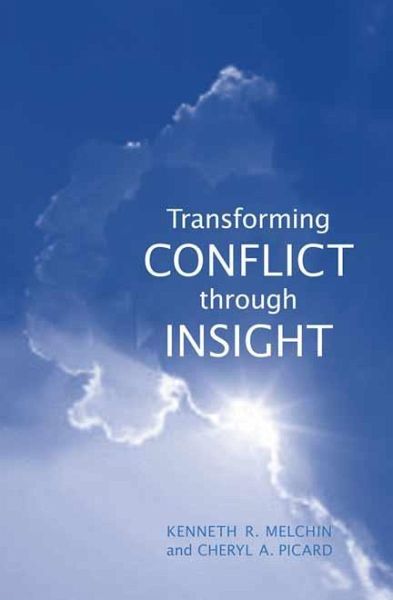
Transforming Conflict through Insight demonstrates how applying Bernard Lonergan's philosophy of insight to mediation can lead to more productive and constructive negotiations.
Transforming Conflict through Insight demonstrates how applying Bernard Lonergan's philosophy of insight to mediation can lead to more productive and constructive negotiations.
Kenneth R. Melchin is a professor emeritus in Theology and director of the Lonergan Centre at Saint Paul University.
Inhaltsangabe
Acknowledgments Conflict and Insight: Setting the Stage Snapshot #1: Everyday Conflict Snapshot #2: Conflict and Justice Snapshot #3: Conflict and Democracy Conflict, Participation, and Learning The Growing Interest in Conflict Transformation through Learning Conflict and Learning: Contributions from Lonergan's Insight Theory Now that the Stage is Set Studying Conflict: Where Have We Arrived and Why Think About Insight? Conflict as a Positive Experience Cooperation and Conflict: Game Theory The Experience of Conflict Practitioners: Interest Theory The Intractability of Conflict: Human Needs Theory The Completxity of Conflict: Communication Theory Responding to Conflict: The Growing Use of Mediation Models of Mediation: Interest-Based, Transformative, and Narrative Advancing Our Knowledge: Conflict, Learning, and Insight Theory Concluding Remarks Insight Theory: Transformation through Learning Lonergan's Method of Self-Understanding: Gaining Insight into Insights Insight Theory: The Curious Nature of Insight The Role of Experiences and Questions in the Learning Process The Direct Insight: The 'Aha' Moment of the Learning Process The Inverse Insight: Changing Directions When We Can't Get There from Here Verifying Insights: Asking the 'Is it So?' Question The Role of Feelings and Values in Insight Theory Concluding Remarks Insight Mediation: Applying Insight Theory to Mediation Steps in the Insight Mediation Process Principles of Insight Mediation Feelings as Carriers of Values, Cares, and Threats The Strategy of Linking: Gaining Direct Insights into Cares and Threats The Strategy of De-Linking: overcoming Barriers through Inverse Insight The Strategy of Verification: Ensuring Insights are Correct Concluding Remarks Insight, Conflict, and Justice: Two Case Studies The Story of Elizabeth and Charles: A Victim-Offender Post-Sentence Mediation Analysis: Applying Insight Theory to the Story of Elizabeth and Charles The Story of Allan: A Sentencing Circle Analysis: Applying Insight Theory to the Story of Allan Concluding Remarks Concluding Remarks Notes Bibliography Index
Acknowledgments Conflict and Insight: Setting the Stage Snapshot #1: Everyday Conflict Snapshot #2: Conflict and Justice Snapshot #3: Conflict and Democracy Conflict, Participation, and Learning The Growing Interest in Conflict Transformation through Learning Conflict and Learning: Contributions from Lonergan's Insight Theory Now that the Stage is Set Studying Conflict: Where Have We Arrived and Why Think About Insight? Conflict as a Positive Experience Cooperation and Conflict: Game Theory The Experience of Conflict Practitioners: Interest Theory The Intractability of Conflict: Human Needs Theory The Completxity of Conflict: Communication Theory Responding to Conflict: The Growing Use of Mediation Models of Mediation: Interest-Based, Transformative, and Narrative Advancing Our Knowledge: Conflict, Learning, and Insight Theory Concluding Remarks Insight Theory: Transformation through Learning Lonergan's Method of Self-Understanding: Gaining Insight into Insights Insight Theory: The Curious Nature of Insight The Role of Experiences and Questions in the Learning Process The Direct Insight: The 'Aha' Moment of the Learning Process The Inverse Insight: Changing Directions When We Can't Get There from Here Verifying Insights: Asking the 'Is it So?' Question The Role of Feelings and Values in Insight Theory Concluding Remarks Insight Mediation: Applying Insight Theory to Mediation Steps in the Insight Mediation Process Principles of Insight Mediation Feelings as Carriers of Values, Cares, and Threats The Strategy of Linking: Gaining Direct Insights into Cares and Threats The Strategy of De-Linking: overcoming Barriers through Inverse Insight The Strategy of Verification: Ensuring Insights are Correct Concluding Remarks Insight, Conflict, and Justice: Two Case Studies The Story of Elizabeth and Charles: A Victim-Offender Post-Sentence Mediation Analysis: Applying Insight Theory to the Story of Elizabeth and Charles The Story of Allan: A Sentencing Circle Analysis: Applying Insight Theory to the Story of Allan Concluding Remarks Concluding Remarks Notes Bibliography Index
Es gelten unsere Allgemeinen Geschäftsbedingungen: www.buecher.de/agb
Impressum
www.buecher.de ist ein Internetauftritt der buecher.de internetstores GmbH
Geschäftsführung: Monica Sawhney | Roland Kölbl | Günter Hilger
Sitz der Gesellschaft: Batheyer Straße 115 - 117, 58099 Hagen
Postanschrift: Bürgermeister-Wegele-Str. 12, 86167 Augsburg
Amtsgericht Hagen HRB 13257
Steuernummer: 321/5800/1497
USt-IdNr: DE450055826

![The Present Conflict of Ideals [microform]; a Study of the Philosophical Background of the World War](https://bilder.buecher.de/produkte/65/65604/65604006m.jpg "The Present Conflict of Ideals [microform]; a Study of the Philosophical Background of the World War")