The tropics and subtropics are home to about 75% of the global human population. Cultural, economic, and political circumstances vary enormously across this vast geography of some 170 countries and territories. The regions not only harbor the world's poorest countries but their human populations are growing disproportionally faster than in temperate zones. Some countries are developing rapidly -- Brazil, China, India, and Mexico being obvious examples, while others still remain in the poverty trap. This region contains an astonishing proportion of global biodiversity; some 90% of plant and…mehr
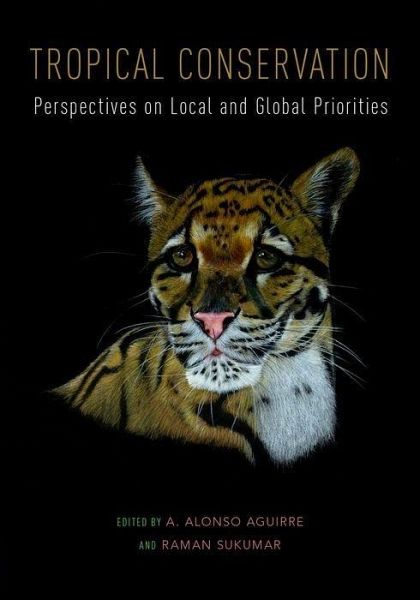
The tropics and subtropics are home to about 75% of the global human population. Cultural, economic, and political circumstances vary enormously across this vast geography of some 170 countries and territories. The regions not only harbor the world's poorest countries but their human populations are growing disproportionally faster than in temperate zones. Some countries are developing rapidly -- Brazil, China, India, and Mexico being obvious examples, while others still remain in the poverty trap. This region contains an astonishing proportion of global biodiversity; some 90% of plant and animal species by some measures. Its contribution to human well-being is astounding. It was the birthplace for our species; and it hosts a myriad of plant and animal species which products feed us, keep us healthy, and supply us with a variety of material goods. The tropics and subtropics are also a natural laboratory where some of humanity's most important scientific discoveries have been made. Such biodiversity has enormous implications for research priorities, capacity building, and policy to address the challenges of conserving this region. Tropical Conservation: Perspectives on Local and Global Priorities drew the majority of its contributors from this growing pool of scientists and practitioners working in Latin America, Africa, and Asia. It introduces important conservation concepts and illustrates their application as the authors directly capture real world experiences in their home countries in preventing biodiversity loss and sustaining ecological health. Today, no part of the world can be viewed in isolation, and we further codify and integrate a range of approaches for addressing global threats to nature and environmental sustainability, including climate change and emerging diseases. Five sections structure the major themes.
A. Alonso Aguirre is Associate Professor of Environmental Science and Policy at George Mason University in Fairfax, VA. Raman Sukumar is a Professor at the Center of Ecological Sciences and Divecha Centre for Climate Change in Bangalore, India.
Inhaltsangabe
* Foreword * Preface: Origins of the Wildlife Trust Alliance * Acknowledgments * Contributors * Part I: Conserving Biodiversity and Ecological Functionality in Human Dominated Landscapes * 1. Introduction: Why Tropical Conservation? * 2. Beyond Protected Areas: Defining a New Geography for Biodiversity Conservation * 3. Sustainable Landscapes and Corridors to Conserve Asian Elephants in India: Successes, Challenges, and Prospects * 4. The Use of Selected Species in Landscape Planning and Restoration of the Atlantic Forest, Brazil * Case Study 1. Howler monkeys as mobile links in human impacted landscapes * Case Study 2. Considerations for biodiversity conservation in modern megacities: Lessons from Jakarta, Indonesia * 5. Evaluating the Role of Amazon Protected Areas Program and Anti Deforestation Policies for Supplying Hydropower, Avoiding Carbon Emissions, and Economic Returns in the Brazilian Amazon * 6. Evaluating the Links Between Biodiversity, Land-Use Change and Infectious Disease Emergence in Tropical Fragmented Landscapes * 7. The Impacts of Climate Change on Biodiversity and Ecosystems in India * Case Study 3. The Strategic Plan for Biodiversity 2011-2020 and the Aichi Biodiversity Targets * Part II: Resolving Conflicts Between Wildlife and Humans in the Tropics and Subtropics * 8. Southern Andean Human-Wildlife Conflict Resolution: From Livestock Predation to the Impact of Animal Welfare in the 21st Century * Case Study 4. The ecological basis of wildlife-human conflicts: Evidence from the Tropics * Case Study 5. Large carnivores in human-dominated landscapes in India * Case Study 6. Gorilla-human conflicts in Africa * 9. From Threat to Opportunity: Strategies for Bat Conservation * 10. Invasive Plants in the Tropics and the Case of Lantana camara * 11. Current Conservation Issues Affecting Dolphins in the Tropics * Case Study 7. African Manatees: Transboundary challenges and conservation planning * 12. Ecology, Conservation, and Policy Implications of North Pacific Loggerhead Turtles * Part III: Approaches to Conserving Species: Emerging Lessons and New Science * 13. Species Distribution Models: New Tools and New Approaches for Managing and Conserving Threatened and Endangered Wildlife in Ethiopia * 14. Integrated Genetic Approaches for the Conservation of Tropical and Subtropical Species * 15. Conservation Genetics, Taxonomy and Management Applications in Neotropical Deer * Case Study 8. Why Neotropical Forest Ungulates Matter * 16. State of the Art Meta-Population Conservation: The Case of the Black Lion Tamarin * 17. Ecology and Conservation of Jaguars in Mexico: State of Knowledge and Future Challenges * 18. Insect Pollinators in Decline: Conservation Challenges in the Tropics * Case Study 9. Conservation of insects in a marine national park in Indonesia * Case Study 10. Using beekeeping as a sustainable development tool * Part IV: Integrating Conservation and Sustainable Use: The Management of Wild Living Resources * 19. The Illegal Wildlife Trade in, from, and through Morocco, a Gateway to Europe * Case Study 11. The illegal trade in Barbary macaques and the link to the Moroccan diaspora in Europe * Case Study 12. Detecting poaching from natural populations using genetic forensic approaches * 20. Bushmeat, Food Security, and Conservation in African Rainforests * 21. Successes and Failures of Crocodile Conservation Strategies in the Asia Pacific * Case Study 13. Edible nest swiftlet management in Indonesia * Case Study 14. A bug for conservation! * 22. Conservation and Livestock Production in Tropical Mexico: The Need for Sustainable Options * Case Study 15. Ecological Services Enhancing Agricultural Landscapes in Indonesia * 23. Conservation as the New Paradigm for Development * Part V: Building Capacity to Sustain Conservation: People, Institutions, and Networks * 24. Innovations in Capacity Building in Conservation and Sustainability: Linking Theory and Practice and Creating Innovative Approaches to Education * 25. Strengthening Capacity for Biodiversity Conservation in the Southern Tropical Andes through Partnerships of Educators and Practitioners * 26. Good Governance in Tourism-Conservation Partnerships: Lessons from Kenya * Case Study 16. Conservation and sustainable tourism in the lower Rio Negro Basin, Brazil * 27. Local and Regional Capacity for Identifying, Predicting and Responding to Zoonotic Diseases from Free-Ranging Wildlife in Colombia * 28. Challenges to Building and Sustaining Local Non-Governmental Organizations * Case Study 17. Wildlife Trust of India: Emergence and Establishment of a National Conservation Action NGO in India * Case Study 18. Building Human Capacity in the Tropics: Experiences from Ashoka Trust for Research in Ecology and the Environment * 29. Afterword: Challenges and Future Directions in Tropical Conservation
* Foreword * Preface: Origins of the Wildlife Trust Alliance * Acknowledgments * Contributors * Part I: Conserving Biodiversity and Ecological Functionality in Human Dominated Landscapes * 1. Introduction: Why Tropical Conservation? * 2. Beyond Protected Areas: Defining a New Geography for Biodiversity Conservation * 3. Sustainable Landscapes and Corridors to Conserve Asian Elephants in India: Successes, Challenges, and Prospects * 4. The Use of Selected Species in Landscape Planning and Restoration of the Atlantic Forest, Brazil * Case Study 1. Howler monkeys as mobile links in human impacted landscapes * Case Study 2. Considerations for biodiversity conservation in modern megacities: Lessons from Jakarta, Indonesia * 5. Evaluating the Role of Amazon Protected Areas Program and Anti Deforestation Policies for Supplying Hydropower, Avoiding Carbon Emissions, and Economic Returns in the Brazilian Amazon * 6. Evaluating the Links Between Biodiversity, Land-Use Change and Infectious Disease Emergence in Tropical Fragmented Landscapes * 7. The Impacts of Climate Change on Biodiversity and Ecosystems in India * Case Study 3. The Strategic Plan for Biodiversity 2011-2020 and the Aichi Biodiversity Targets * Part II: Resolving Conflicts Between Wildlife and Humans in the Tropics and Subtropics * 8. Southern Andean Human-Wildlife Conflict Resolution: From Livestock Predation to the Impact of Animal Welfare in the 21st Century * Case Study 4. The ecological basis of wildlife-human conflicts: Evidence from the Tropics * Case Study 5. Large carnivores in human-dominated landscapes in India * Case Study 6. Gorilla-human conflicts in Africa * 9. From Threat to Opportunity: Strategies for Bat Conservation * 10. Invasive Plants in the Tropics and the Case of Lantana camara * 11. Current Conservation Issues Affecting Dolphins in the Tropics * Case Study 7. African Manatees: Transboundary challenges and conservation planning * 12. Ecology, Conservation, and Policy Implications of North Pacific Loggerhead Turtles * Part III: Approaches to Conserving Species: Emerging Lessons and New Science * 13. Species Distribution Models: New Tools and New Approaches for Managing and Conserving Threatened and Endangered Wildlife in Ethiopia * 14. Integrated Genetic Approaches for the Conservation of Tropical and Subtropical Species * 15. Conservation Genetics, Taxonomy and Management Applications in Neotropical Deer * Case Study 8. Why Neotropical Forest Ungulates Matter * 16. State of the Art Meta-Population Conservation: The Case of the Black Lion Tamarin * 17. Ecology and Conservation of Jaguars in Mexico: State of Knowledge and Future Challenges * 18. Insect Pollinators in Decline: Conservation Challenges in the Tropics * Case Study 9. Conservation of insects in a marine national park in Indonesia * Case Study 10. Using beekeeping as a sustainable development tool * Part IV: Integrating Conservation and Sustainable Use: The Management of Wild Living Resources * 19. The Illegal Wildlife Trade in, from, and through Morocco, a Gateway to Europe * Case Study 11. The illegal trade in Barbary macaques and the link to the Moroccan diaspora in Europe * Case Study 12. Detecting poaching from natural populations using genetic forensic approaches * 20. Bushmeat, Food Security, and Conservation in African Rainforests * 21. Successes and Failures of Crocodile Conservation Strategies in the Asia Pacific * Case Study 13. Edible nest swiftlet management in Indonesia * Case Study 14. A bug for conservation! * 22. Conservation and Livestock Production in Tropical Mexico: The Need for Sustainable Options * Case Study 15. Ecological Services Enhancing Agricultural Landscapes in Indonesia * 23. Conservation as the New Paradigm for Development * Part V: Building Capacity to Sustain Conservation: People, Institutions, and Networks * 24. Innovations in Capacity Building in Conservation and Sustainability: Linking Theory and Practice and Creating Innovative Approaches to Education * 25. Strengthening Capacity for Biodiversity Conservation in the Southern Tropical Andes through Partnerships of Educators and Practitioners * 26. Good Governance in Tourism-Conservation Partnerships: Lessons from Kenya * Case Study 16. Conservation and sustainable tourism in the lower Rio Negro Basin, Brazil * 27. Local and Regional Capacity for Identifying, Predicting and Responding to Zoonotic Diseases from Free-Ranging Wildlife in Colombia * 28. Challenges to Building and Sustaining Local Non-Governmental Organizations * Case Study 17. Wildlife Trust of India: Emergence and Establishment of a National Conservation Action NGO in India * Case Study 18. Building Human Capacity in the Tropics: Experiences from Ashoka Trust for Research in Ecology and the Environment * 29. Afterword: Challenges and Future Directions in Tropical Conservation
Es gelten unsere Allgemeinen Geschäftsbedingungen: www.buecher.de/agb
Impressum
www.buecher.de ist ein Internetauftritt der buecher.de internetstores GmbH
Geschäftsführung: Monica Sawhney | Roland Kölbl | Günter Hilger
Sitz der Gesellschaft: Batheyer Straße 115 - 117, 58099 Hagen
Postanschrift: Bürgermeister-Wegele-Str. 12, 86167 Augsburg
Amtsgericht Hagen HRB 13257
Steuernummer: 321/5800/1497
USt-IdNr: DE450055826