
Andere Kunden interessierten sich auch für
 Beyond Ainu Studies49,99 €
 Packaged Japaneseness38,99 €
 Regionalizing Culture40,99 €
 The Global Japanese Restaurant75,99 €
 Transfiguring Women in Late Twentieth-Century Japan64,99 €
 Being Korean, Becoming Japanese?67,99 €
 Nature in Translation106,99 €


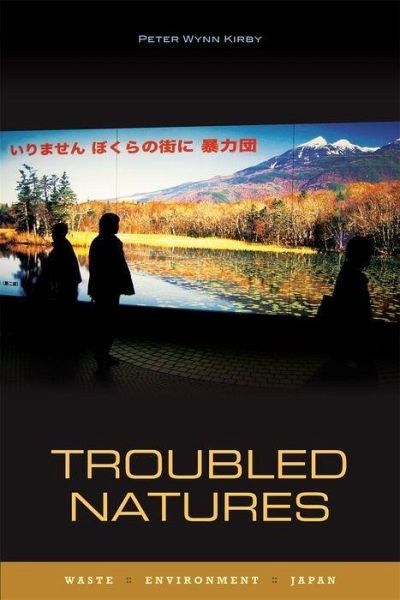
Kirby casts his anthropological lens over two Tokyo neighbourhoods, comparing environmental consciousness and conduct in communities facing specific toxic threats (real or perceived). In each field-site, the tension between lofty rhetoric and daily practices helps highlight the practical ambivalence of Japanese environmental consciousness. Waste practices and ideas of pollution in Tokyo tie clearly into broader social issues such as exclusionary practices, emergent lifestyle changes, recycling efforts, and novel forms of energy production. Throughout, waste and environmental health problems in Tokyo collide against diverse cultural elements linked to nature(s) uneasy relations between animals and humans; native conceptions of the foreign and the polluted; reproductive challenges in the face of a plunging fertility rate; and changing attitudes toward illness and health. The book's thoughtful inquiry into the ways in which environmental questions circulate throughout Japanese society furnishes insight into central elements of contemporary Japanese life.