
Andere Kunden interessierten sich auch für
 Legal Culture in the United States195,99 €
 Legal Culture in the United States43,99 €
 Muslim Legal Thought in Modern Indonesia112,99 €
 People with Disabilities118,99 €
 Vaccines as Technology78,99 €
 European States and Their Muslim Citizens64,99 €
 Capitalism and the Environment114,99 €



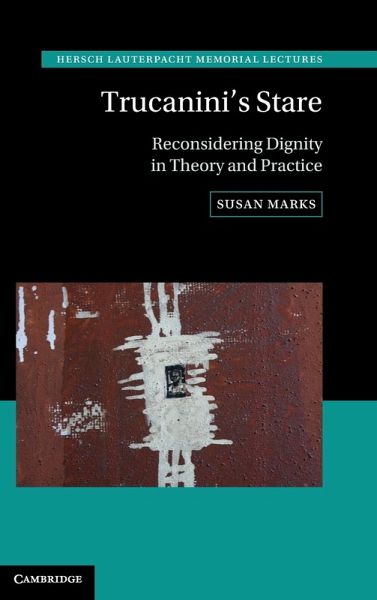
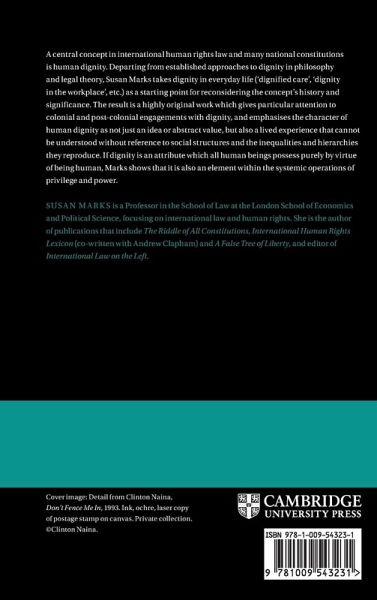
A central concept in international human rights law and many national constitutions is human dignity. Departing from established approaches to dignity in philosophy and legal theory, Susan Marks takes dignity in everyday life ('dignified care', 'dignity in the workplace', etc.) as a starting point for reconsidering the concept's history and significance. The result is a highly original work which gives particular attention to colonial and post-colonial engagements with dignity, and emphasises the character of human dignity as not just an idea or abstract value, but also a lived experience that cannot be understood without reference to social structures and the inequalities and hierarchies they reproduce. If dignity is an attribute which all human beings possess purely by virtue of being human, Marks shows that it is also an element within the systemic operations of privilege and power.