
Andere Kunden interessierten sich auch für
 The Rose Prince13,99 €
 Under the Sunset31,99 €
 Under the Sunset30,99 €
 The Invisible Giant12,99 €
 The Shadow Builder12,99 €
 The Last Sunset15,99 €
 The Sunset Sovereign22,99 €


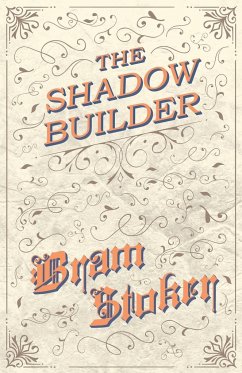


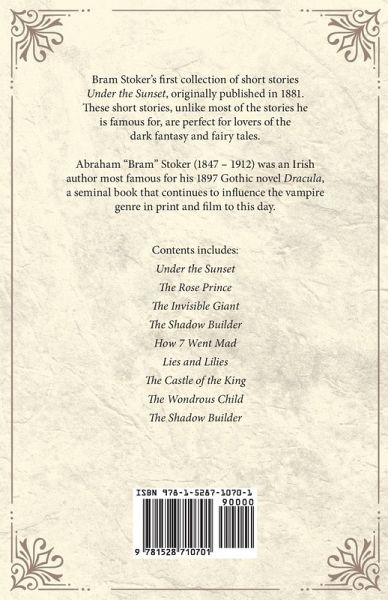
This unique collection enters into a world where reality bends to the fantastical, filled with moral allegories and poignant lessons, revealing the breathtaking scope of Stoker's imagination. From the legendary mind of Bram Stoker, the master of Gothic horror and creator of Dracula, comes a beautiful and surprising collection of fables. Under the Sunset, originally published in 1881, showcases a side of Stoker rarely seen that of a master storyteller of dark fantasy and enchanting fairy tales. Discover the mythical quest in The Castle of the King. The magical heroism of The Invisible Giant. The allegorical sorrow of The Shadow Builder. The Rose Prince How 7 Went Mad An essential read for fans of classic literature and a must-have for those curious about the full range of Stoker s work, Under the Sunset is a testament to the author's genius beyond the macabre.