Mel Thompson
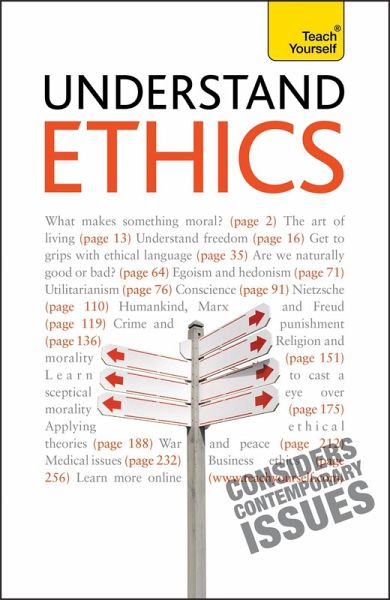
Understand Ethics
Mel Thompson
Understand Ethics
- Broschiertes Buch
- Merkliste
- Auf die Merkliste
- Bewerten Bewerten
- Teilen
- Produkt teilen
- Produkterinnerung
- Produkterinnerung
Previous edition: published as Ethics. 2006.
Andere Kunden interessierten sich auch für
Robert A. DELFINO (ed.)What Are We to Understand Gracia to Mean?88,99 €
Mel ThompsonEthics for Life15,99 €
Global Ethics18,99 €
Dave RobinsonEthics for Everyday Life10,99 €
Henry Babcock VeatchRational Man: A Modern Interpretation of Aristotelian Ethics12,99 €
Peter CatapanoModern Ethics in 77 Arguments25,99 €
Dave RobinsonA Practical Guide to Ethics for Everyday Life11,99 €-
-
-
Produktdetails
- Produktdetails
- Verlag: Mobius
- UK edition
- Erscheinungstermin: 28. Mai 2010
- Englisch
- Abmessung: 207mm x 131mm x 23mm
- Gewicht: 305g
- ISBN-13: 9781444103519
- ISBN-10: 1444103512
- Artikelnr.: 28908136
- Herstellerkennzeichnung
- Libri GmbH
- Europaallee 1
- 36244 Bad Hersfeld
- gpsr@libri.de
- Verlag: Mobius
- UK edition
- Erscheinungstermin: 28. Mai 2010
- Englisch
- Abmessung: 207mm x 131mm x 23mm
- Gewicht: 305g
- ISBN-13: 9781444103519
- ISBN-10: 1444103512
- Artikelnr.: 28908136
- Herstellerkennzeichnung
- Libri GmbH
- Europaallee 1
- 36244 Bad Hersfeld
- gpsr@libri.de
Mel Thompson is a freelance writer and editor, specialising in philosophy, religion and ethics. He is the author of the following titles in the Teach Yourself series: Philosophy, Ethics, Philosophy of Science, Philosophy of Mind, Eastern Philosophy.
1. : Introduction: The Art of Living
2.
* : What makes something moral?
* : What is the point of ethics?
* : At what price is integrity?
* : Rights and responsibilities
* : The art of living
3. : Free to choose?
4.
* : What kind of freedom?
* : Free will
* : Determinism
* : Reductionism
* : How much freedom does morality need?
* : Freedom and the state
5. : What do we mean?
6.
* : Three kinds of language
* : Defining key terms
* : Some theories
* : 'Is' and 'ought'
7. : Is it natural?
8.
* : Does it have a 'final cause'?
* : Some features of 'natural law'
* : How do you decide what is 'natural'?
* : Applying 'natural law'
* : Are we naturally good or bad?
* : Evolution, change and the natural law
9. : Looking for results
10.
* : Egoistic hedonism
* : Utilitarianism
* : Forms of utilitarianism
* : Sex and utilitarianism
* : General criticisms of utilitarianism
11. : The experience of moral choice
12.
* : Conscience
* : The categorial imperative
* : The creative response
* : Determined and yet free?
13. : Personal development and virtue
14.
* : Altruism?
* : Nietzsche
* : Virture ethics
* : Existentialism
* : Humankind, Marx and Freud
15. : Law and order
16.
* : Society and moral choice
* : In whose interest?
* : Is equality possible?
* : Social rules
* : Crime and punishment
* : Capital punishment
* : In self-defence?
* : Civil disobedience
* : If Nietzsche were a civil servant…
17. : Religion and moral values
18.
* : How are religion and morality related?
* : Judaism
* : Christianity
* : Islam
* : Hinduism
* : Buddhism
* : Sikhism
* : Religious values and society
* : Should religious freedom be restricted?
19. : Scepticism and relativism
20.
* : Nietzsche and Machiavelli
* : Philosophers or politicians?
* : Relativism and moral absolutes
* : Situation ethics
21. : Applied ethics
22.
* : The natural environment
* : Animal rights
* : International issues
* : Poverty and international aid
* : War and peace
* : Feminist issues
* : Some issues in medical ethics
* : The beginning and end of life
23. : Genetics
24.
* : Media issues
* : Business issues
25. : Some conclusions
26. : Moral progress: can people change?
27. : A better world: illusion or essential hope?
28. : So where does this leave us?
29. : Taking it further
30.
* : Further reading
* : Websites
31. : Glossary
32. : Index

2.
* : What makes something moral?
* : What is the point of ethics?
* : At what price is integrity?
* : Rights and responsibilities
* : The art of living
3. : Free to choose?
4.
* : What kind of freedom?
* : Free will
* : Determinism
* : Reductionism
* : How much freedom does morality need?
* : Freedom and the state
5. : What do we mean?
6.
* : Three kinds of language
* : Defining key terms
* : Some theories
* : 'Is' and 'ought'
7. : Is it natural?
8.
* : Does it have a 'final cause'?
* : Some features of 'natural law'
* : How do you decide what is 'natural'?
* : Applying 'natural law'
* : Are we naturally good or bad?
* : Evolution, change and the natural law
9. : Looking for results
10.
* : Egoistic hedonism
* : Utilitarianism
* : Forms of utilitarianism
* : Sex and utilitarianism
* : General criticisms of utilitarianism
11. : The experience of moral choice
12.
* : Conscience
* : The categorial imperative
* : The creative response
* : Determined and yet free?
13. : Personal development and virtue
14.
* : Altruism?
* : Nietzsche
* : Virture ethics
* : Existentialism
* : Humankind, Marx and Freud
15. : Law and order
16.
* : Society and moral choice
* : In whose interest?
* : Is equality possible?
* : Social rules
* : Crime and punishment
* : Capital punishment
* : In self-defence?
* : Civil disobedience
* : If Nietzsche were a civil servant…
17. : Religion and moral values
18.
* : How are religion and morality related?
* : Judaism
* : Christianity
* : Islam
* : Hinduism
* : Buddhism
* : Sikhism
* : Religious values and society
* : Should religious freedom be restricted?
19. : Scepticism and relativism
20.
* : Nietzsche and Machiavelli
* : Philosophers or politicians?
* : Relativism and moral absolutes
* : Situation ethics
21. : Applied ethics
22.
* : The natural environment
* : Animal rights
* : International issues
* : Poverty and international aid
* : War and peace
* : Feminist issues
* : Some issues in medical ethics
* : The beginning and end of life
23. : Genetics
24.
* : Media issues
* : Business issues
25. : Some conclusions
26. : Moral progress: can people change?
27. : A better world: illusion or essential hope?
28. : So where does this leave us?
29. : Taking it further
30.
* : Further reading
* : Websites
31. : Glossary
32. : Index
1. : Introduction: The Art of Living
2.
* : What makes something moral?
* : What is the point of ethics?
* : At what price is integrity?
* : Rights and responsibilities
* : The art of living
3. : Free to choose?
4.
* : What kind of freedom?
* : Free will
* : Determinism
* : Reductionism
* : How much freedom does morality need?
* : Freedom and the state
5. : What do we mean?
6.
* : Three kinds of language
* : Defining key terms
* : Some theories
* : 'Is' and 'ought'
7. : Is it natural?
8.
* : Does it have a 'final cause'?
* : Some features of 'natural law'
* : How do you decide what is 'natural'?
* : Applying 'natural law'
* : Are we naturally good or bad?
* : Evolution, change and the natural law
9. : Looking for results
10.
* : Egoistic hedonism
* : Utilitarianism
* : Forms of utilitarianism
* : Sex and utilitarianism
* : General criticisms of utilitarianism
11. : The experience of moral choice
12.
* : Conscience
* : The categorial imperative
* : The creative response
* : Determined and yet free?
13. : Personal development and virtue
14.
* : Altruism?
* : Nietzsche
* : Virture ethics
* : Existentialism
* : Humankind, Marx and Freud
15. : Law and order
16.
* : Society and moral choice
* : In whose interest?
* : Is equality possible?
* : Social rules
* : Crime and punishment
* : Capital punishment
* : In self-defence?
* : Civil disobedience
* : If Nietzsche were a civil servant…
17. : Religion and moral values
18.
* : How are religion and morality related?
* : Judaism
* : Christianity
* : Islam
* : Hinduism
* : Buddhism
* : Sikhism
* : Religious values and society
* : Should religious freedom be restricted?
19. : Scepticism and relativism
20.
* : Nietzsche and Machiavelli
* : Philosophers or politicians?
* : Relativism and moral absolutes
* : Situation ethics
21. : Applied ethics
22.
* : The natural environment
* : Animal rights
* : International issues
* : Poverty and international aid
* : War and peace
* : Feminist issues
* : Some issues in medical ethics
* : The beginning and end of life
23. : Genetics
24.
* : Media issues
* : Business issues
25. : Some conclusions
26. : Moral progress: can people change?
27. : A better world: illusion or essential hope?
28. : So where does this leave us?
29. : Taking it further
30.
* : Further reading
* : Websites
31. : Glossary
32. : Index
2.
* : What makes something moral?
* : What is the point of ethics?
* : At what price is integrity?
* : Rights and responsibilities
* : The art of living
3. : Free to choose?
4.
* : What kind of freedom?
* : Free will
* : Determinism
* : Reductionism
* : How much freedom does morality need?
* : Freedom and the state
5. : What do we mean?
6.
* : Three kinds of language
* : Defining key terms
* : Some theories
* : 'Is' and 'ought'
7. : Is it natural?
8.
* : Does it have a 'final cause'?
* : Some features of 'natural law'
* : How do you decide what is 'natural'?
* : Applying 'natural law'
* : Are we naturally good or bad?
* : Evolution, change and the natural law
9. : Looking for results
10.
* : Egoistic hedonism
* : Utilitarianism
* : Forms of utilitarianism
* : Sex and utilitarianism
* : General criticisms of utilitarianism
11. : The experience of moral choice
12.
* : Conscience
* : The categorial imperative
* : The creative response
* : Determined and yet free?
13. : Personal development and virtue
14.
* : Altruism?
* : Nietzsche
* : Virture ethics
* : Existentialism
* : Humankind, Marx and Freud
15. : Law and order
16.
* : Society and moral choice
* : In whose interest?
* : Is equality possible?
* : Social rules
* : Crime and punishment
* : Capital punishment
* : In self-defence?
* : Civil disobedience
* : If Nietzsche were a civil servant…
17. : Religion and moral values
18.
* : How are religion and morality related?
* : Judaism
* : Christianity
* : Islam
* : Hinduism
* : Buddhism
* : Sikhism
* : Religious values and society
* : Should religious freedom be restricted?
19. : Scepticism and relativism
20.
* : Nietzsche and Machiavelli
* : Philosophers or politicians?
* : Relativism and moral absolutes
* : Situation ethics
21. : Applied ethics
22.
* : The natural environment
* : Animal rights
* : International issues
* : Poverty and international aid
* : War and peace
* : Feminist issues
* : Some issues in medical ethics
* : The beginning and end of life
23. : Genetics
24.
* : Media issues
* : Business issues
25. : Some conclusions
26. : Moral progress: can people change?
27. : A better world: illusion or essential hope?
28. : So where does this leave us?
29. : Taking it further
30.
* : Further reading
* : Websites
31. : Glossary
32. : Index