
85,99 €
inkl. MwSt.
Versandkostenfrei*Erscheint vorauss. 9. Mai 2026
Melden Sie sich
hier
hier
für den Produktalarm an, um über die Verfügbarkeit des Produkts informiert zu werden.

43 °P sammeln
Andere Kunden interessierten sich auch für
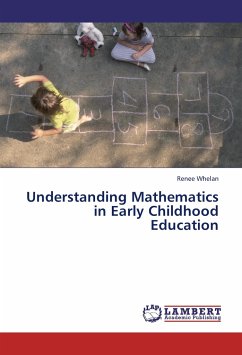
 Understanding Mathematics in Early Childhood Education19,99 €
 Teachers' and Families' Perspectives in Early Childhood Education and Care168,99 €
 Supporting Early Childhood Practice Through Difficult Times171,99 €
 Socialisation practices in Early Childhood Education:24,99 €
 Advancing Equity and Inclusion in Early Childhood Education174,99 €
 The Early Childhood Educator117,99 €
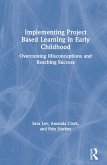
 Implementing Project Based Learning in Early Childhood110,99 €


This is your essential guide to carrying out research in early childhood and the ideal companion book for anyone studying early childhood studies or early years degrees at undergraduate level. It takes you through the process from your research question onwards, discussing how to conduct robust research and choose the right method, collect meaningful data, carefully analyse your findings and how to effectively present your finished work. At every stage, it examines issues of particular importance to early childhood, the careful ethical considerations of research with very young children, being mindful of power dynamics and the importance of including the voice of the child in any outcomes, giving you the knowledge and understanding to succeed on your research journey.