
Andere Kunden interessierten sich auch für
 The Psychology of Technology86,99 €
 Hardwired Psychology and Moral Change17,99 €
 How Sexual Desire Works49,99 €
 Network42,99 €
 A Chronological History of the Discoveries in the South Sea or Pacific Ocean78,99 €
 The Cambridge Handbook of International Prevention Science73,99 €
 Environmental Stress48,99 €







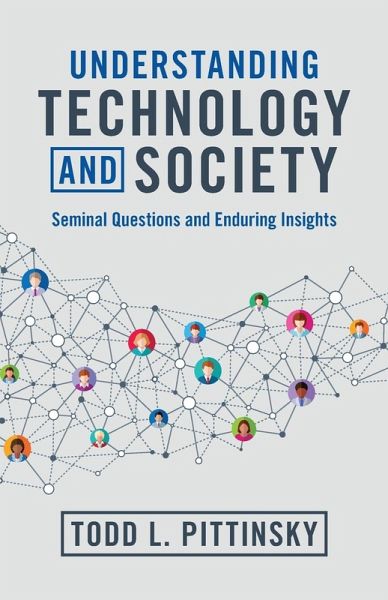
From the early days of navigating the world with bare hands to harnessing tools that transformed stones and sticks, human ingenuity has birthed science and technology. As societies expanded, the complexity of our tools grew, raising a crucial question: Do we control them, or do they dictate our fate? The trajectory of science and technology isn't predetermined; debates and choices shape it. It's our responsibility to navigate wisely, ensuring technology betters, not worsens, our world. This book explores the complex nature of this relationship, with 18 chapters posing and discussing a compelling 'big question.' Topics discussed include technology's influence on child development; big data; algorithms; democracy; happiness; the interplay of sex, gender, and science in its development; international development efforts; robot consciousness; and the future of human labor in an automated world. Think critically. Take a stand. With societal acceleration mirroring technological pace, the challenge is, can we keep up?