
Andere Kunden interessierten sich auch für
 About the splendor of values.29,90 €
 From Isfahan To Poznan18,00 €
 About the splendor of values.24,20 €
 Escape to Germany21,99 €
 From Isfahan To Poznan25,00 €
 Escape to Germany19,99 €
 Unbuilt Worlds: Understanding Space and Society in Indigenous Settlements26,99 €







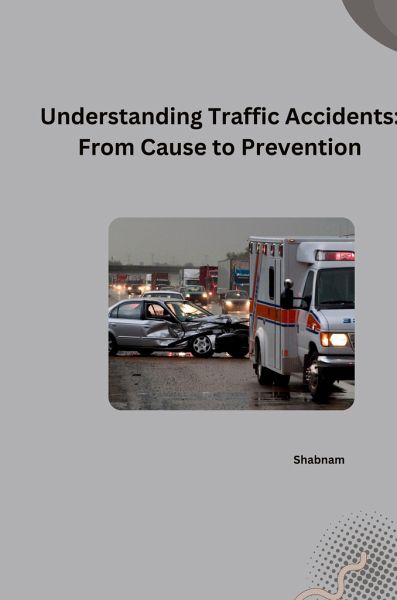
Traffic accidents cast a long shadow, leaving devastation in their wake. "Understanding Traffic Accidents: From Cause to Prevention" delves deeper, exploring the factors that contribute to these incidents and the strategies for preventing them.Imagine accidents as puzzles, with missing pieces obscuring a clearer picture. Traditionally, the focus has been solely on driver error. However, a more comprehensive approach reveals a complex interplay:Human Factors: Driver behavior is a key piece of the puzzle. Fatigue, distraction (phones!), and intoxication significantly increase accident risk. Education, responsible habits, and stricter enforcement are crucial.Vehicle Flaws: Unsafe vehicles contribute. Lack of airbags, faulty brakes, and inadequate lighting compromise safety. Continued advancements in vehicle safety technology are essential.The Road Itself: Poor design, inadequate signage, and lack of maintenance play a role. Investing in well-maintained roads, clear markings, and separated lanes can significantly reduce accidents.Environmental Influences: Adverse weather, poor visibility, and inadequate lighting all contribute. Designing weather-resilient roads, implementing better lighting systems, and issuing timely weather advisories are vital.Understanding these factors empowers prevention:Safer Drivers: Education programs can promote responsible driving habits, reducing accidents caused by human error.Safer Vehicles: Regulations and incentives can encourage automakers to prioritize safety features, leading to a safer fleet on the road.Safer Infrastructure: Investing in infrastructure improvements can significantly reduce accidents caused by road design flaws.Preparedness for the Unexpected: Weather advisories and improved road design can help mitigate the risks posed by environmental factors.The journey towards safer roads is ongoing:Data Analysis: Analyzing accident data can pinpoint high-risk areas and tailor preventative measures for maximum impact.Public Awareness: Raising public awareness about responsible driving practices, vehicle maintenance, and safe road usage is essential.Collaboration: Effective communication between governments, transportation agencies, and road safety organizations is key to success.By moving beyond a one-dimensional view of accidents and embracing a multi-pronged approach, we can create a future where roads are not just passageways, but safe spaces for everyone.