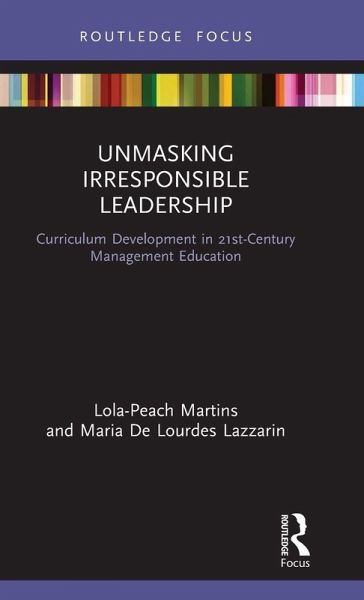
Through this short and easy-to-digest format, the book looks specifically at [Ir]responsible Leadership (IL) curriculum development. It provides a response to the criticisms of business schools regarding the management curricula, and specifically the responsible management curriculum.
Through this short and easy-to-digest format, the book looks specifically at [Ir]responsible Leadership (IL) curriculum development. It provides a response to the criticisms of business schools regarding the management curricula, and specifically the responsible management curriculum.
Lola-Peach Martins is Senior Lecturer in HRM at Middlesex University, UK. She is leading Middlesex University's UN PRME (United Nations Principles for Responsible Management Education) Curriculum Development Project. Maria De Lourdes Lazzarin is a researcher in Qualitative Social Research and holds a PhD in Management awarded by the University of Kent.
Inhaltsangabe
Part 1 Setting the scene for creating an IL definitional framework 1 Introduction Why this book? Corporate Scandals and the Irresponsible Leadership Definition Dilemma A Plethora of Term Neoliberalist Views of RL and IL Practices; and Criticism Directed at Business Schools References 2 Creating an IL Definitional Framework: Research Methodology Research Methods, Practice and Analysis References Part 2 Contextualising IL: An interdisciplinary approach 3 Social Irresponsibility (SI), Corporate Social Irresponsibility (CSI), And Unethical Leadership (UL) Who Are Leaders (all levels of management, including CEOs) and What Does it Mean to Lead Others? References 4 Dark Triad Leadership (DTL) and Toxic Leadership (TL) Narcissism, Machiavellianism, and Sub-Clinical Psychopathy References 5 Irresponsible Leadership (IL): Adjective-Noun General Meaning of Irresponsible and Irresponsibility: Who's Saying What? Negative Forces: Evil, Causing Harm to Others (Intension to Harm) References Chapter 6 Creating an IL Definitional Framework: Content/Context Analysis Content Analysis 1/Context Analysis 1: "Irresponsibility" - 400+ Synonyms List and NViVo Text Search for IL Terms Identified within Text Content Analysis 2/Context Analysis 2: Word Frequency Test and World Cloud Samples References Chapter 7 Creating the IL Definition Framework: Cluster Analysis Context: Analysis 3 Higher and Lower Clusters References Chapter 8 Conclusion of Parts 1 and 2 References Part 3 IL curriculum development contemplation Chapter 9 Critical Issues Vis-à-vis Developing IL Curriculum in Turbulent Times Developing New Curriculum, Content and Educational Progress to Align with Organisational and Business Sustainability in the 21st Century Developing Adaptive, Reflexive/Reflective Ped-Andragogical Approaches to Support Personal Risilience and Flexibility During Social-Economic Turbulence and Implications for HEIs References Chapter 10 Ped-Andragogical Approaches to LMD in View of Applying the IL Definitional Framework Leading Teams and Team Leadership How should the Subject 'IL' be taught in the classroom to enhance RL learning? Gaming and Engagement Courses and Programmes LMD: Art Based Learning and Engagement Teaching Strategy: A Student Centred Approach to Teaching and Learning References Chapter 11 A Radical Change in the Management Curricula Closing Statement: A Radical Change in the Management Curricula Significance of the Book Future Research References Appendix 1 Full Dendrogram: Core IL Fields Cluster Analysis Appendix 2: DTL Case Study Appendix 3: Disruptive Behaviours/Situations Appendix 4: Reflection Colouring Book
Part 1 Setting the scene for creating an IL definitional framework 1 Introduction Why this book? Corporate Scandals and the Irresponsible Leadership Definition Dilemma A Plethora of Term Neoliberalist Views of RL and IL Practices; and Criticism Directed at Business Schools References 2 Creating an IL Definitional Framework: Research Methodology Research Methods, Practice and Analysis References Part 2 Contextualising IL: An interdisciplinary approach 3 Social Irresponsibility (SI), Corporate Social Irresponsibility (CSI), And Unethical Leadership (UL) Who Are Leaders (all levels of management, including CEOs) and What Does it Mean to Lead Others? References 4 Dark Triad Leadership (DTL) and Toxic Leadership (TL) Narcissism, Machiavellianism, and Sub-Clinical Psychopathy References 5 Irresponsible Leadership (IL): Adjective-Noun General Meaning of Irresponsible and Irresponsibility: Who's Saying What? Negative Forces: Evil, Causing Harm to Others (Intension to Harm) References Chapter 6 Creating an IL Definitional Framework: Content/Context Analysis Content Analysis 1/Context Analysis 1: "Irresponsibility" - 400+ Synonyms List and NViVo Text Search for IL Terms Identified within Text Content Analysis 2/Context Analysis 2: Word Frequency Test and World Cloud Samples References Chapter 7 Creating the IL Definition Framework: Cluster Analysis Context: Analysis 3 Higher and Lower Clusters References Chapter 8 Conclusion of Parts 1 and 2 References Part 3 IL curriculum development contemplation Chapter 9 Critical Issues Vis-à-vis Developing IL Curriculum in Turbulent Times Developing New Curriculum, Content and Educational Progress to Align with Organisational and Business Sustainability in the 21st Century Developing Adaptive, Reflexive/Reflective Ped-Andragogical Approaches to Support Personal Risilience and Flexibility During Social-Economic Turbulence and Implications for HEIs References Chapter 10 Ped-Andragogical Approaches to LMD in View of Applying the IL Definitional Framework Leading Teams and Team Leadership How should the Subject 'IL' be taught in the classroom to enhance RL learning? Gaming and Engagement Courses and Programmes LMD: Art Based Learning and Engagement Teaching Strategy: A Student Centred Approach to Teaching and Learning References Chapter 11 A Radical Change in the Management Curricula Closing Statement: A Radical Change in the Management Curricula Significance of the Book Future Research References Appendix 1 Full Dendrogram: Core IL Fields Cluster Analysis Appendix 2: DTL Case Study Appendix 3: Disruptive Behaviours/Situations Appendix 4: Reflection Colouring Book
Es gelten unsere Allgemeinen Geschäftsbedingungen: www.buecher.de/agb
Impressum
www.buecher.de ist ein Internetauftritt der buecher.de internetstores GmbH
Geschäftsführung: Monica Sawhney | Roland Kölbl | Günter Hilger
Sitz der Gesellschaft: Batheyer Straße 115 - 117, 58099 Hagen
Postanschrift: Bürgermeister-Wegele-Str. 12, 86167 Augsburg
Amtsgericht Hagen HRB 13257
Steuernummer: 321/5800/1497
USt-IdNr: DE450055826