- Broschiertes Buch
- Merkliste
- Auf die Merkliste
- Bewerten Bewerten
- Teilen
- Produkt teilen
- Produkterinnerung
- Produkterinnerung
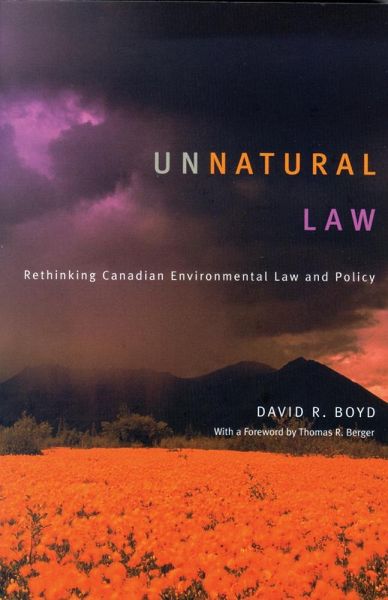
This award-winning book comprehensively assesses of the strengths and weaknesses of Canadian environmental law.
Andere Kunden interessierten sich auch für
Julian AgyemanSpeaking for Ourselves36,99 €
Laura WestraHuman Rights36,99 €
Peter AndréeGenetically Modified Diplomacy34,99 €
Melody HessingCanadian Natural Resource and Environmental Policy, 2nd Ed.36,99 €
Chris TollefsonThe Wealth of Forests47,99 €
Karl FroschauerWhite Gold36,99 €
Laurel Sefton MacdowellAn Environmental History of Canada61,99 €-
-
-
This award-winning book comprehensively assesses of the strengths and weaknesses of Canadian environmental law.
Produktdetails
- Produktdetails
- Verlag: University of British Columbia Press
- Seitenzahl: 488
- Erscheinungstermin: 15. August 2003
- Englisch
- Abmessung: 228mm x 154mm x 31mm
- Gewicht: 708g
- ISBN-13: 9780774810494
- ISBN-10: 0774810491
- Artikelnr.: 21235703
- Herstellerkennzeichnung
- Libri GmbH
- Europaallee 1
- 36244 Bad Hersfeld
- gpsr@libri.de
- Verlag: University of British Columbia Press
- Seitenzahl: 488
- Erscheinungstermin: 15. August 2003
- Englisch
- Abmessung: 228mm x 154mm x 31mm
- Gewicht: 708g
- ISBN-13: 9780774810494
- ISBN-10: 0774810491
- Artikelnr.: 21235703
- Herstellerkennzeichnung
- Libri GmbH
- Europaallee 1
- 36244 Bad Hersfeld
- gpsr@libri.de
David R. Boyd is an environmental lawyer, professor, and former executive director of the Sierra Legal Defence Fund. He is the editor of Northern Wild: Best Contemporary Canadian Nature Writing, and lives on Pender Island, BC.
Foreword by Thomas R. Berger, O.C., Q.C.
Preface and Acknowledgments
Acronyms
Part One: Examination
1. Canada's Environmental Record
2. Water
2.1. Drinking Water
2.2. Water Pollution
2.3. Water Use and Conservation
2.4. Water Exports
3. Air
3.1. Ozone Depletion
3.2. Climate Change
3.3. Air Pollution
4. Land
4.1. Pesticide Regulation
4.2. Forest Management
4.3. Environmental Assessment
5. Biodiversity
5.1. Parks and Protected Areas
5.2. Endangered Species
5.3. Marine Biodiversity
Part Two: Diagnosis
6. The Strengths and Weaknesses of Canadian Environmental Law and Policy
7. Reasons for Environmental Progress
8. Systemic Weaknesses
9. Obstacles to Further Progress
10. Root Causes of Environmental Degradation
Part Three: Prescription
11. New Directions for Canadian Environmental Law and Policy
12. A New Role Model for Canada
13. Reducing Consumption
14. Population Growth and Sustainable Development
15. Conclusion
Notes
References
Index
Preface and Acknowledgments
Acronyms
Part One: Examination
1. Canada's Environmental Record
2. Water
2.1. Drinking Water
2.2. Water Pollution
2.3. Water Use and Conservation
2.4. Water Exports
3. Air
3.1. Ozone Depletion
3.2. Climate Change
3.3. Air Pollution
4. Land
4.1. Pesticide Regulation
4.2. Forest Management
4.3. Environmental Assessment
5. Biodiversity
5.1. Parks and Protected Areas
5.2. Endangered Species
5.3. Marine Biodiversity
Part Two: Diagnosis
6. The Strengths and Weaknesses of Canadian Environmental Law and Policy
7. Reasons for Environmental Progress
8. Systemic Weaknesses
9. Obstacles to Further Progress
10. Root Causes of Environmental Degradation
Part Three: Prescription
11. New Directions for Canadian Environmental Law and Policy
12. A New Role Model for Canada
13. Reducing Consumption
14. Population Growth and Sustainable Development
15. Conclusion
Notes
References
Index
Foreword by Thomas R. Berger, O.C., Q.C.
Preface and Acknowledgments
Acronyms
Part One: Examination
1. Canada's Environmental Record
2. Water
2.1. Drinking Water
2.2. Water Pollution
2.3. Water Use and Conservation
2.4. Water Exports
3. Air
3.1. Ozone Depletion
3.2. Climate Change
3.3. Air Pollution
4. Land
4.1. Pesticide Regulation
4.2. Forest Management
4.3. Environmental Assessment
5. Biodiversity
5.1. Parks and Protected Areas
5.2. Endangered Species
5.3. Marine Biodiversity
Part Two: Diagnosis
6. The Strengths and Weaknesses of Canadian Environmental Law and Policy
7. Reasons for Environmental Progress
8. Systemic Weaknesses
9. Obstacles to Further Progress
10. Root Causes of Environmental Degradation
Part Three: Prescription
11. New Directions for Canadian Environmental Law and Policy
12. A New Role Model for Canada
13. Reducing Consumption
14. Population Growth and Sustainable Development
15. Conclusion
Notes
References
Index
Preface and Acknowledgments
Acronyms
Part One: Examination
1. Canada's Environmental Record
2. Water
2.1. Drinking Water
2.2. Water Pollution
2.3. Water Use and Conservation
2.4. Water Exports
3. Air
3.1. Ozone Depletion
3.2. Climate Change
3.3. Air Pollution
4. Land
4.1. Pesticide Regulation
4.2. Forest Management
4.3. Environmental Assessment
5. Biodiversity
5.1. Parks and Protected Areas
5.2. Endangered Species
5.3. Marine Biodiversity
Part Two: Diagnosis
6. The Strengths and Weaknesses of Canadian Environmental Law and Policy
7. Reasons for Environmental Progress
8. Systemic Weaknesses
9. Obstacles to Further Progress
10. Root Causes of Environmental Degradation
Part Three: Prescription
11. New Directions for Canadian Environmental Law and Policy
12. A New Role Model for Canada
13. Reducing Consumption
14. Population Growth and Sustainable Development
15. Conclusion
Notes
References
Index