
Andere Kunden interessierten sich auch für
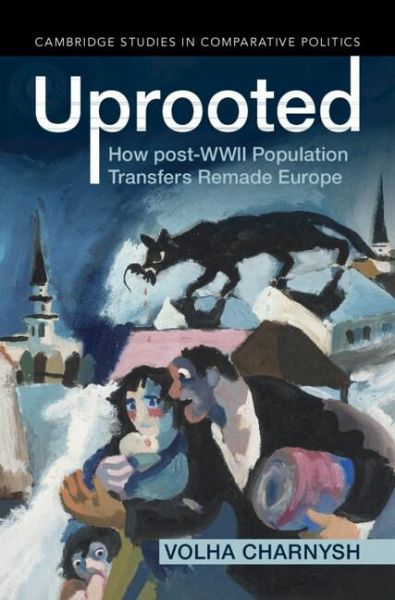
 Uprooted54,99 €
 Freedom Rising37,99 €
 Civil Society and Memory in Postwar Germany47,99 €
 The Rule of Violence32,99 €
 Deliberative Policy Analysis43,99 €
 Women and Gender in Iraq35,99 €
 Hacking the Electorate34,99 €
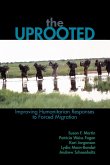
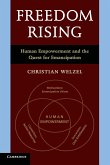



Each year, millions of people are uprooted from their homes by wars, repression, natural disasters, and climate change. In Uprooted, Volha Charnysh presents a fresh perspective on the developmental consequences of mass displacement, arguing that accommodating the displaced population can strengthen receiving states and benefit local economies. Drawing on extensive research on post-WWII Poland and West Germany, Charnysh shows that the rupture of social ties and increased cultural diversity in affected communities not only decreased social cohesion, but also shored up the demand for state-provided resources, which facilitated the accumulation of state capacity. Over time, areas that received a larger and more diverse influx of migrants achieved higher levels of entrepreneurship, education, and income. With its rich insights and compelling evidence, Uprooted challenges common assumptions about the costs of forced displacement and cultural diversity and proposes a novel mechanism linking wars to state-building.