
Andere Kunden interessierten sich auch für
 How Not to Drop Dead!17,99 €
 The Kingdom of the Mind: How to Promote Intelligent Living and Avert Mental Disaster22,99 €
 How to Live, Rules for Healthful Living Based on Modern Science, Authorized by and Prepared in Collaboration With the Hygiene Reference Board of the L24,99 €
 Hippocrates Is Not Dead13,99 €
 Applied Anatomy: The Construction of the Human Body Considered in Relation to Its Functions, Diseases and Injuries29,99 €
 On the Structure and Use of the Spleen24,99 €
 Mechanisms for Organizational Behavior Change to Address the Needs of People Living with Alzheimer's Disease and Related Dementias19,99 €
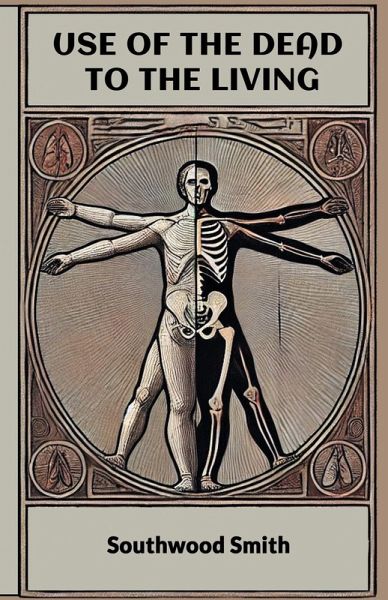
Use of the Dead to the Living by Southwood Smith is a thought-provoking book that delves into the ethical and moral considerations surrounding the use of bodies in medical education during the 19th century. Smith, a prominent physician and social reformer, reflects on the significance of anatomical dissection as a vital tool for advancing medical knowledge, while also grappling with the ethical dilemmas it raises. He explores society's complex attitudes toward the dead, particularly the poor and marginalized, whose bodies were often used without consent. The book balances the necessity of dissection for medical progress with a deep concern for the dignity of the deceased. Through a compassionate and reflective writing style, Smith critiques both the legal and social conditions of his time, urging for respect and moral integrity in the treatment of the dead. Use of the Dead to the Living offers valuable insights into the intersection of medicine, ethics, and social reform in the 19th century.