
Andere Kunden interessierten sich auch für
 Utilitarianism and Other Essays11,99 €
 Utilitarianism33,99 €
 The Utilitarianism17,99 €
 Utilitarianism11,99 €
 On Liberty and Utilitarianism21,99 €
 Law, Legislation and Liberty25,99 €
 Utilitarianism16,99 €





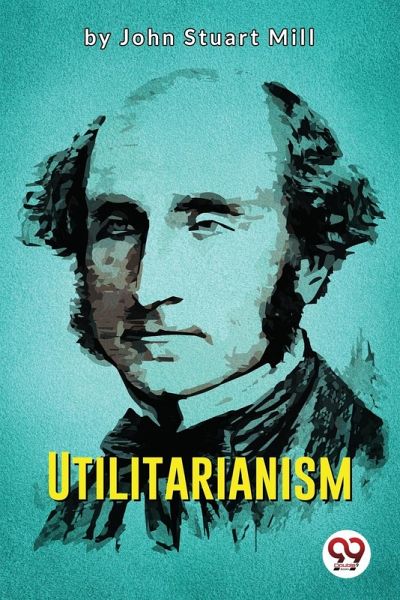
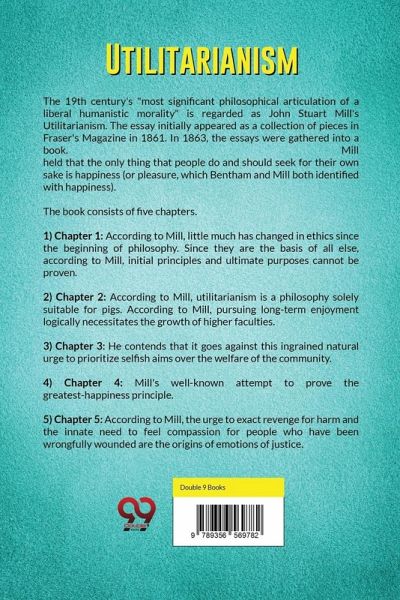
The 19th century's "most significant philosophical articulation of a liberal humanistic morality" is regarded as John Stuart Mill's Utilitarianism. The essay initially appeared as a collection of pieces in Fraser's Magazine in 1861. In 1863, the essays were gathered into a book. Mill held that the only thing that people do and should seek for their own sake is happiness (or pleasure, which Bentham and Mill both identified with happiness). The book consists of five chapters. 1) Chapter 1: According to Mill, little much has changed in ethics since the beginning of philosophy. Since they are the basis of all else, according to Mill, initial principles and ultimate purposes cannot be proven. 2) Chapter 2: According to Mill, utilitarianism is a philosophy solely suitable for pigs. According to Mill, pursuing long-term enjoyment logically necessitates the growth of higher faculties. 3) Chapter 3: He contends that it goes against this ingrained natural urge to prioritize selfish aims over the welfare of the community. 4) Chapter 4: Mill's well-known attempt to prove the greatest-happiness principle. 5) Chapter 5: According to Mill, the urge to exact revenge for harm and the innate need to feel compassion for people who have been wrongfully wounded are the origins of emotions of justice.