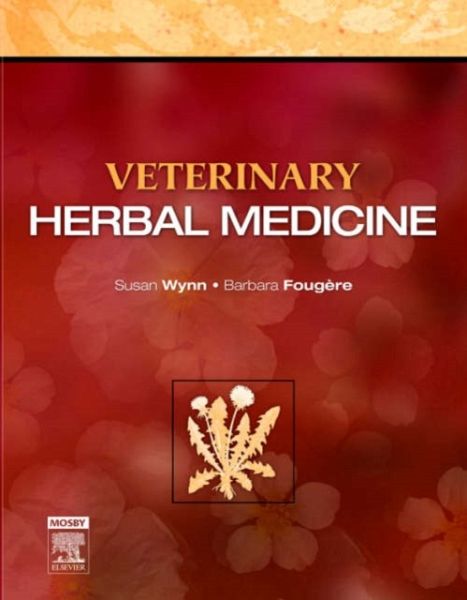
Susan G. Wynn (Wynn Clinic for Therapeutic Alternatives, Marietta,, Barbara Fougere (Acupuncture and Natural Therapies, Rozelle, New So
Veterinary Herbal Medicine
Susan G. Wynn (Wynn Clinic for Therapeutic Alternatives, Marietta,, Barbara Fougere (Acupuncture and Natural Therapies, Rozelle, New So
Veterinary Herbal Medicine
- Gebundenes Buch
- Merkliste
- Auf die Merkliste
- Bewerten Bewerten
- Teilen
- Produkt teilen
- Produkterinnerung
- Produkterinnerung
Provides comprehensive information on herbal remedies for both large and small animal species. The coverage includes: clinical uses of medicinal plants, specific information on how to formulate herbal remedies, a systems-based review of plant-based medicine, and information on the different animal species, such as dogs, cats, avian and poultry.
Andere Kunden interessierten sich auch für
Martini-Johnson, Lisa, DVM, CVT (Director ProfessorApplied Pharmacology for Veterinary Technicians99,99 €
Cohn, Leah, DVM, PhD, DACVIM (SAIM) (Professor of Veterinary MedicinCote's Clinical Veterinary Advisor: Dogs and Cats138,99 €
Karen R. FineNarrative Medicine in Veterinary Practice31,99 €
Ryane E. EnglarA Guide to Oral Communication in Veterinary Medicine50,99 €
Critical Care, an Issue of Veterinary Clinics of North America: Exotic Animal Practice96,99 €
C. C. Sheldon (Veterinary Technician Program Director and LaboratoAnimal Restraint for Veterinary Professionals76,99 €
Equine Infectious Diseases, An Issue of Veterinary Clinics of North America: Equine Practice103,99 €-
-
-
Provides comprehensive information on herbal remedies for both large and small animal species. The coverage includes: clinical uses of medicinal plants, specific information on how to formulate herbal remedies, a systems-based review of plant-based medicine, and information on the different animal species, such as dogs, cats, avian and poultry.
Produktdetails
- Produktdetails
- Verlag: Elsevier - Health Sciences Division
- Seitenzahl: 728
- Erscheinungstermin: 6. Dezember 2006
- Englisch
- Abmessung: 281mm x 221mm x 34mm
- Gewicht: 2222g
- ISBN-13: 9780323029988
- ISBN-10: 0323029981
- Artikelnr.: 22191660
- Herstellerkennzeichnung
- Libri GmbH
- Europaallee 1
- 36244 Bad Hersfeld
- gpsr@libri.de
- Verlag: Elsevier - Health Sciences Division
- Seitenzahl: 728
- Erscheinungstermin: 6. Dezember 2006
- Englisch
- Abmessung: 281mm x 221mm x 34mm
- Gewicht: 2222g
- ISBN-13: 9780323029988
- ISBN-10: 0323029981
- Artikelnr.: 22191660
- Herstellerkennzeichnung
- Libri GmbH
- Europaallee 1
- 36244 Bad Hersfeld
- gpsr@libri.de
1. Why Use Herbs?
I. Historical Relationship between Plants and Animals
2. Zoopharmacognosy
3. Ethnoveterinary Medicine: Potential Solutions for Large-Scale Problems
4. The Roots of Veterinary Botanical Medicine
5. Overview of Traditional Chinese Medicine: The Cooking Pot Analogy
6. Ayurvedic Veterinary Medicine: Principles and Practices
II. Herbal Medicine Controversies
7. Evaluating, Designing and Accessing Herbal Medicine Research
8. Regulation and Quality Control
9. A Skeptical View of Herbal
Medicine
III. The Plants
10. Medical Botany
11. Plant Chemistry in Veterinary Medicine: Medicinal Constituents and
their Mechanisms of Action
12. Herbal Medicine: Potential for Intoxication and Interactions with
Conventional Drugs
13. Herbal Energetics: The Key to Efficacy in Herbal Medicine
14. Herb Manufacture, Pharmacy and Dosing
15. Herbal Materia Medica
16. Designing the Medicinal Herb Garden
17. Commercial Organic Herb Production for Veterinary Medicine
18. Conserving Medicinal Plant Biodiversity
19. Safe Substitutes for Endangered Herbs: Plant Conservation and Loss of
our Medicines
IV. Veterinary Clinical Uses of Medicinal Plants
20. Approaches in Veterinary Herbal Medicine Prescribing
21. Herbs for Hematologic and Immunologic Disorders
22. Herbal Medicine in Equine Practice
23. Phytotherapy for Dairy Cows
24. Organic Management of Food Producing Livestock
25. Clinical Practice
V. Resources
A. Client Handouts
a. How to Administer Herbs
b. How to Report Adverse Events
B. Training in Herbal Medicine
C. Suppliers
D. Websites and Other Texts
I. Historical Relationship between Plants and Animals
2. Zoopharmacognosy
3. Ethnoveterinary Medicine: Potential Solutions for Large-Scale Problems
4. The Roots of Veterinary Botanical Medicine
5. Overview of Traditional Chinese Medicine: The Cooking Pot Analogy
6. Ayurvedic Veterinary Medicine: Principles and Practices
II. Herbal Medicine Controversies
7. Evaluating, Designing and Accessing Herbal Medicine Research
8. Regulation and Quality Control
9. A Skeptical View of Herbal
Medicine
III. The Plants
10. Medical Botany
11. Plant Chemistry in Veterinary Medicine: Medicinal Constituents and
their Mechanisms of Action
12. Herbal Medicine: Potential for Intoxication and Interactions with
Conventional Drugs
13. Herbal Energetics: The Key to Efficacy in Herbal Medicine
14. Herb Manufacture, Pharmacy and Dosing
15. Herbal Materia Medica
16. Designing the Medicinal Herb Garden
17. Commercial Organic Herb Production for Veterinary Medicine
18. Conserving Medicinal Plant Biodiversity
19. Safe Substitutes for Endangered Herbs: Plant Conservation and Loss of
our Medicines
IV. Veterinary Clinical Uses of Medicinal Plants
20. Approaches in Veterinary Herbal Medicine Prescribing
21. Herbs for Hematologic and Immunologic Disorders
22. Herbal Medicine in Equine Practice
23. Phytotherapy for Dairy Cows
24. Organic Management of Food Producing Livestock
25. Clinical Practice
V. Resources
A. Client Handouts
a. How to Administer Herbs
b. How to Report Adverse Events
B. Training in Herbal Medicine
C. Suppliers
D. Websites and Other Texts
1. Why Use Herbs?
I. Historical Relationship between Plants and Animals
2. Zoopharmacognosy
3. Ethnoveterinary Medicine: Potential Solutions for Large-Scale Problems
4. The Roots of Veterinary Botanical Medicine
5. Overview of Traditional Chinese Medicine: The Cooking Pot Analogy
6. Ayurvedic Veterinary Medicine: Principles and Practices
II. Herbal Medicine Controversies
7. Evaluating, Designing and Accessing Herbal Medicine Research
8. Regulation and Quality Control
9. A Skeptical View of Herbal
Medicine
III. The Plants
10. Medical Botany
11. Plant Chemistry in Veterinary Medicine: Medicinal Constituents and
their Mechanisms of Action
12. Herbal Medicine: Potential for Intoxication and Interactions with
Conventional Drugs
13. Herbal Energetics: The Key to Efficacy in Herbal Medicine
14. Herb Manufacture, Pharmacy and Dosing
15. Herbal Materia Medica
16. Designing the Medicinal Herb Garden
17. Commercial Organic Herb Production for Veterinary Medicine
18. Conserving Medicinal Plant Biodiversity
19. Safe Substitutes for Endangered Herbs: Plant Conservation and Loss of
our Medicines
IV. Veterinary Clinical Uses of Medicinal Plants
20. Approaches in Veterinary Herbal Medicine Prescribing
21. Herbs for Hematologic and Immunologic Disorders
22. Herbal Medicine in Equine Practice
23. Phytotherapy for Dairy Cows
24. Organic Management of Food Producing Livestock
25. Clinical Practice
V. Resources
A. Client Handouts
a. How to Administer Herbs
b. How to Report Adverse Events
B. Training in Herbal Medicine
C. Suppliers
D. Websites and Other Texts
I. Historical Relationship between Plants and Animals
2. Zoopharmacognosy
3. Ethnoveterinary Medicine: Potential Solutions for Large-Scale Problems
4. The Roots of Veterinary Botanical Medicine
5. Overview of Traditional Chinese Medicine: The Cooking Pot Analogy
6. Ayurvedic Veterinary Medicine: Principles and Practices
II. Herbal Medicine Controversies
7. Evaluating, Designing and Accessing Herbal Medicine Research
8. Regulation and Quality Control
9. A Skeptical View of Herbal
Medicine
III. The Plants
10. Medical Botany
11. Plant Chemistry in Veterinary Medicine: Medicinal Constituents and
their Mechanisms of Action
12. Herbal Medicine: Potential for Intoxication and Interactions with
Conventional Drugs
13. Herbal Energetics: The Key to Efficacy in Herbal Medicine
14. Herb Manufacture, Pharmacy and Dosing
15. Herbal Materia Medica
16. Designing the Medicinal Herb Garden
17. Commercial Organic Herb Production for Veterinary Medicine
18. Conserving Medicinal Plant Biodiversity
19. Safe Substitutes for Endangered Herbs: Plant Conservation and Loss of
our Medicines
IV. Veterinary Clinical Uses of Medicinal Plants
20. Approaches in Veterinary Herbal Medicine Prescribing
21. Herbs for Hematologic and Immunologic Disorders
22. Herbal Medicine in Equine Practice
23. Phytotherapy for Dairy Cows
24. Organic Management of Food Producing Livestock
25. Clinical Practice
V. Resources
A. Client Handouts
a. How to Administer Herbs
b. How to Report Adverse Events
B. Training in Herbal Medicine
C. Suppliers
D. Websites and Other Texts