
Andere Kunden interessierten sich auch für
 The Virtual Reality of Imprisonment in Russia56,99 €
 The Reality of Justice in England's Lower Courts31,99 €
 The Congolese National Police and virtual crime37,99 €
 The Virtual Prison42,99 €
 The Future of Correctional Rehabilitation177,99 €
 The Social Reality of Crime61,99 €
 The Social Reality of Crime186,99 €



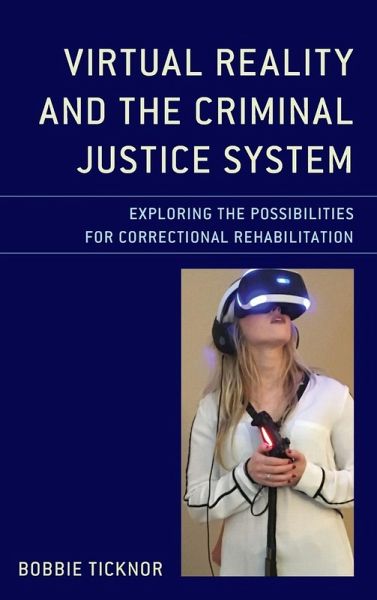
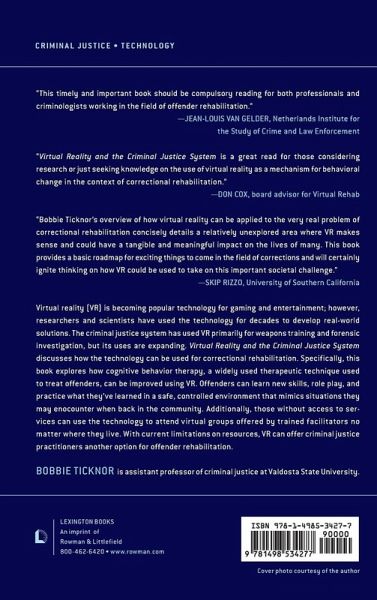
This book explores how virtual reality can be used to improve traditional cognitive behavior therapy, a widely used therapeutic technique used to treat offenders, by offering a controlled environment where offenders can learn new skills, role play, and practice scenarios that they may find when back in the community.