90,99 €
inkl. MwSt.
Versandkostenfrei*Erscheint vorauss. 30. April 2026
Melden Sie sich
hier
hier
für den Produktalarm an, um über die Verfügbarkeit des Produkts informiert zu werden.

45 °P sammeln
Andere Kunden interessierten sich auch für
 The Linguistics of Spoken Communication in Early Modern English Writing76,99 €
 The Linguistics of Spoken Communication in Early Modern English Writing76,99 €
 Lebanese Students Speaking English32,99 €
 Arabic in Modern Hebrew Texts121,99 €
 Perspectives on Audiovisual Translation74,60 €
 Code-switching in Lebanese Talk Shows17,95 €
 Social Interaction in Language Teacher Education145,99 €





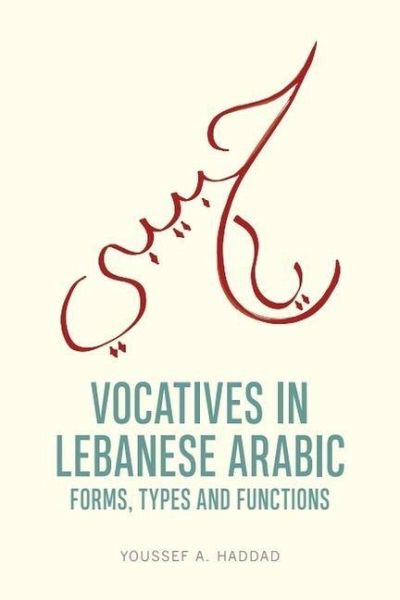
Analysing data from a variety of sources including movies, plays and talk shows, this book provides a detailed description of the forms and types of vocatives in Lebanese Arabic and offers an in-depth exploration of their social functions and pragmatic significance. It underscores the significance of the use of attested data to the structural analyses of vocatives, as well as other linguistic elements and shows that a data-driven approach to structural analysis provides a more complete picture. The book examines vocatives not just as markers of address but as tools for negotiating relationships and managing interpersonal dynamics. Part I categorizes vocatives by their linguistic forms--ranging from pronouns to complex phrases--and delineates their types, such as honorifics, kinship terms, and terms of abuse. Part II delves into the interpersonal pragmatics of vocatives, analysing how they shape social interactions, reinforce or challenge identities, and influence relational outcomes. This approach to vocatives in Lebanese Arabic provides fascinating insight into how language reflects cultural norms and social hierarchies, contributing to the fields of Arabic linguistics, pragmatics, and sociolinguistics.