
Andere Kunden interessierten sich auch für
 Power Wars28,99 €
 Obama's Unending Wars22,99 €
 The Tyranny of Political Ignorance14,99 €
 The Boiling Frog: How Complacency and Ignorance Created Our Leadership Crisis and What We Can Do about It12,99 €
 United States-Vietnam Reconciliation: Through Wars to a Strategic Partnership28,99 €
 Before Our Very Eyes, Fake Wars and Big Lies24,99 €
 Wars in the Midst of Peace57,99 €





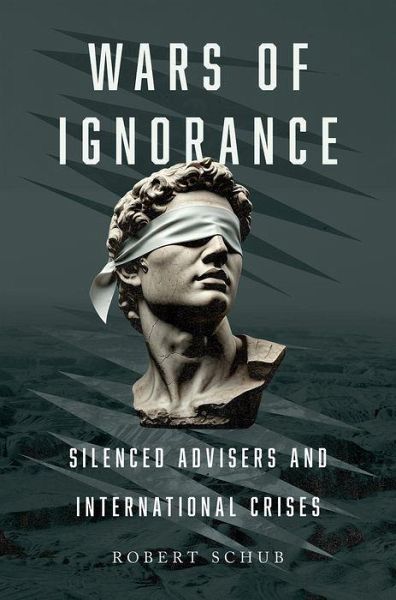
War is famously associated with uncertainty. Leaders, however, frequently plunge into conflict with great certainty about how it will unfold. Wars of Ignorance explores this puzzling divergence between what leaders seemingly ought to believe on the cusp of war and what they do believe. This stems from a recurring flaw, argues Robert Schub, in the process by which leaders acquire information from advisers. They often sideline the bureaucracy that conducts international diplomacy, thereby marginalizing advisers who possess substantive expertise on an adversary's political, as opposed to military, attributes. This marginalization produces informational blind spots on political traits which are subject to tremendous uncertainty--such as adversary resolve or the extent of its domestic unity. In turn, these blind spots breed misplaced confidence. Ignorant yet certain, leaders blunder into foreign policy fiascos. Examining case studies including the Bay of Pigs, Iraq War, and turbulence in Laos, as well as analyzing measures of advisory input generated from declassified documents spanning dozens of crises, Schub shows that diplomats foster peace not because they are doves, but because they provide information that leaders need in order to understand the foreign policy challenges they confront. Wars of Ignorance offers important lessons on the enduring worth of competently staffed national security bureaucracies and the value of diligent and curious leaders who seek out the information that advisers have to offer.