
Andere Kunden interessierten sich auch für
 Biomedical solid waste management: socio-environmental impacts57,99 €
 Formulation of Strategies for Municipal Solid Waste Management36,99 €
 Environmental Management: A perspective of industrial waste generation27,99 €
 Solid Waste Management27,99 €
 Materials Management: Inventory Valuation and Review27,99 €
 Business Management: Innovative Management Practice27,99 €
 Solid Waste Generation in a Food and Nutrition Unit36,99 €
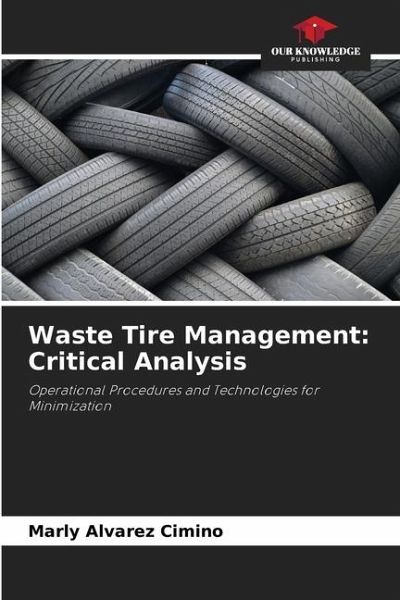
In Brazil, the environmental problems arising from the inadequate final disposal of unserviceable tires, due to the significant quantity generated and their durability, have taken on major proportions, especially in the urban environment. It is therefore necessary to minimize this special waste by managing it by those directly and indirectly responsible. Considering this context, the main objective of this work is to critically analyze the operational procedures and technologies that have been adopted for the management of unserviceable tires in Brazil. The evolution of management procedures is assessed, diagnosing the current situation of the management of this special solid waste, its interfaces with the environmental legislation in force, the degree of involvement and awareness of those indirectly responsible, and the technological alternatives that exist for minimizing this waste. The content of this book is of the utmost importance for public and private managers, professionals in the field of Basic Sanitation, scholars and environmentalists who are aware of current environmental problems, with a view to preserving future generations from these issues.