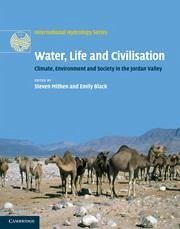
Water, Life and Civilisation
Climate, Environment and Society in the Jordan Valley
Herausgeber: Mithen, Steven; Black, Emily
Water, Life and Civilisation
Climate, Environment and Society in the Jordan Valley
Herausgeber: Mithen, Steven; Black, Emily
- Gebundenes Buch
- Merkliste
- Auf die Merkliste
- Bewerten Bewerten
- Teilen
- Produkt teilen
- Produkterinnerung
- Produkterinnerung
Unique interdisciplinary study of relationships between climate, hydrology and human society in the Jordan Valley for researchers and advanced students.
Andere Kunden interessierten sich auch für
John M. HobsonThe Eastern Origins of Western Civilisation39,99 €
W. R. MoyleWater Wells and Springs in Bristol, Broadwell, Cadiz, Danby, and Lavic Valleys and Vicinity: San Bernardino and Riverside Counties, California: No.91-28,99 €
Aarathi PrasadSilk14,99 €
H. G. WellsThe Outline of History - Being a Plain History of Life and Mankind - Volume I41,99 €
Dan CarlinThe End Is Always Near8,99 €
Philip BallThe Water Kingdom19,99 €
Rupert ReadThis Civilisation is Finished14,99 €-
-
-
Unique interdisciplinary study of relationships between climate, hydrology and human society in the Jordan Valley for researchers and advanced students.
Produktdetails
- Produktdetails
- Verlag: Cambridge University Press
- Seitenzahl: 520
- Erscheinungstermin: 6. Juni 2011
- Englisch
- Abmessung: 287mm x 227mm x 30mm
- Gewicht: 1700g
- ISBN-13: 9780521769570
- ISBN-10: 0521769574
- Artikelnr.: 31193615
- Herstellerkennzeichnung
- Libri GmbH
- Europaallee 1
- 36244 Bad Hersfeld
- gpsr@libri.de
- Verlag: Cambridge University Press
- Seitenzahl: 520
- Erscheinungstermin: 6. Juni 2011
- Englisch
- Abmessung: 287mm x 227mm x 30mm
- Gewicht: 1700g
- ISBN-13: 9780521769570
- ISBN-10: 0521769574
- Artikelnr.: 31193615
- Herstellerkennzeichnung
- Libri GmbH
- Europaallee 1
- 36244 Bad Hersfeld
- gpsr@libri.de
1. Introduction: an inter-disciplinary approach to water, life and
civilisation; Part I. Past, Present and Future Climate: 2. The present day
climate of the Middle East; 3. Past climates of the Middle East; 4. Future
climates of the Middle East; 5. Connecting climate and hydrological models
for impact studies; Part II. The Palaeoenvironmental Record: 6. A review of
palaeoclimates and palaeoenvironments in the Levant and Eastern
Mediterranean from 25,000 to 5000 years BP; 7. Palaeoenvironments of the
Southern Levant from 5000 BP to the present day; 8. Using proxy data,
historical climate data and climate models to investigate aridification
during the Holocene; 9. Palaeoenvironmental and limnological reconstruction
of Lake Lisan and the Dead Sea; Part III. Hydrological Studies of the
Jordan Valley: 10. The impacts of climate change on rainfall-runoff in the
upper River Jordan: methodology and first projections; 11. Modelling Dead
Sea levels and rainfall: past, present and future; 12. The hydrology of the
Wadi Faynan; 13. Future projections of water availability in a semi-arid
region of the eastern Mediterranean: a case study of Wadi Hasa, Jordan;
Part IV. Human Settlement, Climate Change, Hydrology and Water Management:
14. The archaeology of water management in the Jordan Valley, 21,000 BP
(19,000 BC) - AD 900; 15. From global climate change to local impact in
Wadi Faynan, southern Jordan: ten millennia of human settlement in its
hydrological context; 16. Palaeoenvironmental reconstruction at Beidha,
southern Jordan (ca.18,000-8,500 BP): implications for human occupation
during the Natufian and pre-pottery Neolithic; 17. The influence of water
on Chalcolithic and Early Bronze Age settlement patterns in the southern
Levant; 18. Modelling water resources and climate change at the Bronze Age
site of Jawa in northern Jordan: a new approach utilising stochastic
simulation techniques; 19. A millennium of rainfall, settlement and
water-management at Humayma, southern Jordan, 100 BC-900 AD; Part V.
Palaeo-Economies and Developing Archaeological Methodologies: 20. The
reconstruction of diet and environment in ancient Jordan by carbon and
nitrogen stable isotope analysis of human and animal remains; 21.
Irrigation and phytolith formation: an experimental study; 22. An
investigation into the archaeological application of carbon stable isotope
analysis used to establish crop water availability: solutions and ways
forward; 23. Past plant use in Jordan as revealed by archaeological and
ethnoarchaeological phytolith signatures; Part VI. Society, Economy and
Water Today: 24. Current water demands and future strategies under changing
climatic conditions; 25. Water reuse for irrigated agriculture in Jordan:
soil sustainability, perceptions and management; 26. Social equity issues
and water supply under conditions of 'water stress': a study of low- and
high-income households in Greater Amman, Jordan; 27. The role of water and
land management policies in contemporary socio-economic development in Wadi
Faynan; 28. Political discourses and public narratives on water supply
issues in Amman, Jordan; Part VII. Conclusions: 29. Overview and
reflections: 20,000 years of water and human settlement in the southern
Levant; Index.
civilisation; Part I. Past, Present and Future Climate: 2. The present day
climate of the Middle East; 3. Past climates of the Middle East; 4. Future
climates of the Middle East; 5. Connecting climate and hydrological models
for impact studies; Part II. The Palaeoenvironmental Record: 6. A review of
palaeoclimates and palaeoenvironments in the Levant and Eastern
Mediterranean from 25,000 to 5000 years BP; 7. Palaeoenvironments of the
Southern Levant from 5000 BP to the present day; 8. Using proxy data,
historical climate data and climate models to investigate aridification
during the Holocene; 9. Palaeoenvironmental and limnological reconstruction
of Lake Lisan and the Dead Sea; Part III. Hydrological Studies of the
Jordan Valley: 10. The impacts of climate change on rainfall-runoff in the
upper River Jordan: methodology and first projections; 11. Modelling Dead
Sea levels and rainfall: past, present and future; 12. The hydrology of the
Wadi Faynan; 13. Future projections of water availability in a semi-arid
region of the eastern Mediterranean: a case study of Wadi Hasa, Jordan;
Part IV. Human Settlement, Climate Change, Hydrology and Water Management:
14. The archaeology of water management in the Jordan Valley, 21,000 BP
(19,000 BC) - AD 900; 15. From global climate change to local impact in
Wadi Faynan, southern Jordan: ten millennia of human settlement in its
hydrological context; 16. Palaeoenvironmental reconstruction at Beidha,
southern Jordan (ca.18,000-8,500 BP): implications for human occupation
during the Natufian and pre-pottery Neolithic; 17. The influence of water
on Chalcolithic and Early Bronze Age settlement patterns in the southern
Levant; 18. Modelling water resources and climate change at the Bronze Age
site of Jawa in northern Jordan: a new approach utilising stochastic
simulation techniques; 19. A millennium of rainfall, settlement and
water-management at Humayma, southern Jordan, 100 BC-900 AD; Part V.
Palaeo-Economies and Developing Archaeological Methodologies: 20. The
reconstruction of diet and environment in ancient Jordan by carbon and
nitrogen stable isotope analysis of human and animal remains; 21.
Irrigation and phytolith formation: an experimental study; 22. An
investigation into the archaeological application of carbon stable isotope
analysis used to establish crop water availability: solutions and ways
forward; 23. Past plant use in Jordan as revealed by archaeological and
ethnoarchaeological phytolith signatures; Part VI. Society, Economy and
Water Today: 24. Current water demands and future strategies under changing
climatic conditions; 25. Water reuse for irrigated agriculture in Jordan:
soil sustainability, perceptions and management; 26. Social equity issues
and water supply under conditions of 'water stress': a study of low- and
high-income households in Greater Amman, Jordan; 27. The role of water and
land management policies in contemporary socio-economic development in Wadi
Faynan; 28. Political discourses and public narratives on water supply
issues in Amman, Jordan; Part VII. Conclusions: 29. Overview and
reflections: 20,000 years of water and human settlement in the southern
Levant; Index.
1. Introduction: an inter-disciplinary approach to water, life and
civilisation; Part I. Past, Present and Future Climate: 2. The present day
climate of the Middle East; 3. Past climates of the Middle East; 4. Future
climates of the Middle East; 5. Connecting climate and hydrological models
for impact studies; Part II. The Palaeoenvironmental Record: 6. A review of
palaeoclimates and palaeoenvironments in the Levant and Eastern
Mediterranean from 25,000 to 5000 years BP; 7. Palaeoenvironments of the
Southern Levant from 5000 BP to the present day; 8. Using proxy data,
historical climate data and climate models to investigate aridification
during the Holocene; 9. Palaeoenvironmental and limnological reconstruction
of Lake Lisan and the Dead Sea; Part III. Hydrological Studies of the
Jordan Valley: 10. The impacts of climate change on rainfall-runoff in the
upper River Jordan: methodology and first projections; 11. Modelling Dead
Sea levels and rainfall: past, present and future; 12. The hydrology of the
Wadi Faynan; 13. Future projections of water availability in a semi-arid
region of the eastern Mediterranean: a case study of Wadi Hasa, Jordan;
Part IV. Human Settlement, Climate Change, Hydrology and Water Management:
14. The archaeology of water management in the Jordan Valley, 21,000 BP
(19,000 BC) - AD 900; 15. From global climate change to local impact in
Wadi Faynan, southern Jordan: ten millennia of human settlement in its
hydrological context; 16. Palaeoenvironmental reconstruction at Beidha,
southern Jordan (ca.18,000-8,500 BP): implications for human occupation
during the Natufian and pre-pottery Neolithic; 17. The influence of water
on Chalcolithic and Early Bronze Age settlement patterns in the southern
Levant; 18. Modelling water resources and climate change at the Bronze Age
site of Jawa in northern Jordan: a new approach utilising stochastic
simulation techniques; 19. A millennium of rainfall, settlement and
water-management at Humayma, southern Jordan, 100 BC-900 AD; Part V.
Palaeo-Economies and Developing Archaeological Methodologies: 20. The
reconstruction of diet and environment in ancient Jordan by carbon and
nitrogen stable isotope analysis of human and animal remains; 21.
Irrigation and phytolith formation: an experimental study; 22. An
investigation into the archaeological application of carbon stable isotope
analysis used to establish crop water availability: solutions and ways
forward; 23. Past plant use in Jordan as revealed by archaeological and
ethnoarchaeological phytolith signatures; Part VI. Society, Economy and
Water Today: 24. Current water demands and future strategies under changing
climatic conditions; 25. Water reuse for irrigated agriculture in Jordan:
soil sustainability, perceptions and management; 26. Social equity issues
and water supply under conditions of 'water stress': a study of low- and
high-income households in Greater Amman, Jordan; 27. The role of water and
land management policies in contemporary socio-economic development in Wadi
Faynan; 28. Political discourses and public narratives on water supply
issues in Amman, Jordan; Part VII. Conclusions: 29. Overview and
reflections: 20,000 years of water and human settlement in the southern
Levant; Index.
civilisation; Part I. Past, Present and Future Climate: 2. The present day
climate of the Middle East; 3. Past climates of the Middle East; 4. Future
climates of the Middle East; 5. Connecting climate and hydrological models
for impact studies; Part II. The Palaeoenvironmental Record: 6. A review of
palaeoclimates and palaeoenvironments in the Levant and Eastern
Mediterranean from 25,000 to 5000 years BP; 7. Palaeoenvironments of the
Southern Levant from 5000 BP to the present day; 8. Using proxy data,
historical climate data and climate models to investigate aridification
during the Holocene; 9. Palaeoenvironmental and limnological reconstruction
of Lake Lisan and the Dead Sea; Part III. Hydrological Studies of the
Jordan Valley: 10. The impacts of climate change on rainfall-runoff in the
upper River Jordan: methodology and first projections; 11. Modelling Dead
Sea levels and rainfall: past, present and future; 12. The hydrology of the
Wadi Faynan; 13. Future projections of water availability in a semi-arid
region of the eastern Mediterranean: a case study of Wadi Hasa, Jordan;
Part IV. Human Settlement, Climate Change, Hydrology and Water Management:
14. The archaeology of water management in the Jordan Valley, 21,000 BP
(19,000 BC) - AD 900; 15. From global climate change to local impact in
Wadi Faynan, southern Jordan: ten millennia of human settlement in its
hydrological context; 16. Palaeoenvironmental reconstruction at Beidha,
southern Jordan (ca.18,000-8,500 BP): implications for human occupation
during the Natufian and pre-pottery Neolithic; 17. The influence of water
on Chalcolithic and Early Bronze Age settlement patterns in the southern
Levant; 18. Modelling water resources and climate change at the Bronze Age
site of Jawa in northern Jordan: a new approach utilising stochastic
simulation techniques; 19. A millennium of rainfall, settlement and
water-management at Humayma, southern Jordan, 100 BC-900 AD; Part V.
Palaeo-Economies and Developing Archaeological Methodologies: 20. The
reconstruction of diet and environment in ancient Jordan by carbon and
nitrogen stable isotope analysis of human and animal remains; 21.
Irrigation and phytolith formation: an experimental study; 22. An
investigation into the archaeological application of carbon stable isotope
analysis used to establish crop water availability: solutions and ways
forward; 23. Past plant use in Jordan as revealed by archaeological and
ethnoarchaeological phytolith signatures; Part VI. Society, Economy and
Water Today: 24. Current water demands and future strategies under changing
climatic conditions; 25. Water reuse for irrigated agriculture in Jordan:
soil sustainability, perceptions and management; 26. Social equity issues
and water supply under conditions of 'water stress': a study of low- and
high-income households in Greater Amman, Jordan; 27. The role of water and
land management policies in contemporary socio-economic development in Wadi
Faynan; 28. Political discourses and public narratives on water supply
issues in Amman, Jordan; Part VII. Conclusions: 29. Overview and
reflections: 20,000 years of water and human settlement in the southern
Levant; Index.