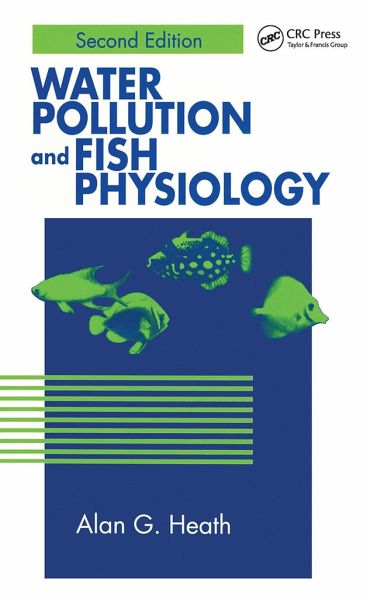
This book provides a reasonably concise synthesis of what is known about how pollutants affect physiological processes in fish, providing a discussion of some concepts that are important in understanding pollution biology and fish physiology.
This book provides a reasonably concise synthesis of what is known about how pollutants affect physiological processes in fish, providing a discussion of some concepts that are important in understanding pollution biology and fish physiology.
Some Introductory Concepts: Types of Water Pollution. The Relationship Between Aquatic Toxicology and Fish Physiology. Levels of Biological Organization. Importance of Dose and Duration of Exposure. Stress. Toxic Mode of Action. Environmental Hypoxia: Minimum Levels of Oxygen Required for Fish Life. Interaction of Hypoxia and Toxicity of Pollutant Chemicals. Gill vs. Cutaneous Respiration. Adjustments in Ventilation. Adjustments by the Gills to Hypoxia. Transport of Oxygen by the Blood. Cardiovascular Changes During Hypoxia. Respiratory Regulation and Conformity. Anaerobic Metabolism. Swimming Speed. Behavior. Blood and Urine. Histopathology. Acclimation to Hypoxia. Respiratory and Cardiovascular Responses: Overview of Normal Respiratory Physiology. Histopathology of Gill Lamellae Exposed to Pollutants. Ventilation Changes in Response to Pollutants. Physiological Mechanisms of Changes in Ventilation. Circulatory Physiology. Cardiac Responses to Pollutants. Hematology: Fish Blood Cells and their Measurement. Chemicals that Cause Anemia. Chemicals Causing an Increase in Hematological Variables. Uptake, Accumulation, Biotransformation, and Excretion of Xenobiotics: Uptake from the Environment. Transport Within the Fish of Metals and Organics. Accumulation of Metals in Different Organs. Regulation of Metal Concentration. Glutathione and Metal Detoxification. Involvement of Metallothionein in Metal Accumulation and Acclimation to Metals. Bioconcentration of Organic Pollutants. Biotransformation of Organic Contaminants. Excretion of Organic Contaminants. Liver: Structure of Liver. Alterations of Liver/Somatic Index. Histopathological Effects of Pollutants. Major Functions of Liver. Effects of Pollutants on Liver Function. Ascorbic Acid and Pollutant Exposure. Osmotic and Ionic Regulation: Effects of Pollutants on Osmotic and Ionic Regulation. Mucus. Chloride Cell Proliferation. Some Summary Comments Regarding Osmoregulatory and Electrolyte Alterati
Some Introductory Concepts: Types of Water Pollution. The Relationship Between Aquatic Toxicology and Fish Physiology. Levels of Biological Organization. Importance of Dose and Duration of Exposure. Stress. Toxic Mode of Action. Environmental Hypoxia: Minimum Levels of Oxygen Required for Fish Life. Interaction of Hypoxia and Toxicity of Pollutant Chemicals. Gill vs. Cutaneous Respiration. Adjustments in Ventilation. Adjustments by the Gills to Hypoxia. Transport of Oxygen by the Blood. Cardiovascular Changes During Hypoxia. Respiratory Regulation and Conformity. Anaerobic Metabolism. Swimming Speed. Behavior. Blood and Urine. Histopathology. Acclimation to Hypoxia. Respiratory and Cardiovascular Responses: Overview of Normal Respiratory Physiology. Histopathology of Gill Lamellae Exposed to Pollutants. Ventilation Changes in Response to Pollutants. Physiological Mechanisms of Changes in Ventilation. Circulatory Physiology. Cardiac Responses to Pollutants. Hematology: Fish Blood Cells and their Measurement. Chemicals that Cause Anemia. Chemicals Causing an Increase in Hematological Variables. Uptake, Accumulation, Biotransformation, and Excretion of Xenobiotics: Uptake from the Environment. Transport Within the Fish of Metals and Organics. Accumulation of Metals in Different Organs. Regulation of Metal Concentration. Glutathione and Metal Detoxification. Involvement of Metallothionein in Metal Accumulation and Acclimation to Metals. Bioconcentration of Organic Pollutants. Biotransformation of Organic Contaminants. Excretion of Organic Contaminants. Liver: Structure of Liver. Alterations of Liver/Somatic Index. Histopathological Effects of Pollutants. Major Functions of Liver. Effects of Pollutants on Liver Function. Ascorbic Acid and Pollutant Exposure. Osmotic and Ionic Regulation: Effects of Pollutants on Osmotic and Ionic Regulation. Mucus. Chloride Cell Proliferation. Some Summary Comments Regarding Osmoregulatory and Electrolyte Alterati
Es gelten unsere Allgemeinen Geschäftsbedingungen: www.buecher.de/agb
Impressum
www.buecher.de ist ein Internetauftritt der buecher.de internetstores GmbH
Geschäftsführung: Monica Sawhney | Roland Kölbl | Günter Hilger
Sitz der Gesellschaft: Batheyer Straße 115 - 117, 58099 Hagen
Postanschrift: Bürgermeister-Wegele-Str. 12, 86167 Augsburg
Amtsgericht Hagen HRB 13257
Steuernummer: 321/5800/1497
USt-IdNr: DE450055826