
Nicht lieferbar
Andere Kunden interessierten sich auch für
 The Heart Remembers13,99 €
 The Henna Artist15,99 €
 The Chocolate Maker's Wife13,99 €
 The Chameleon11,99 €



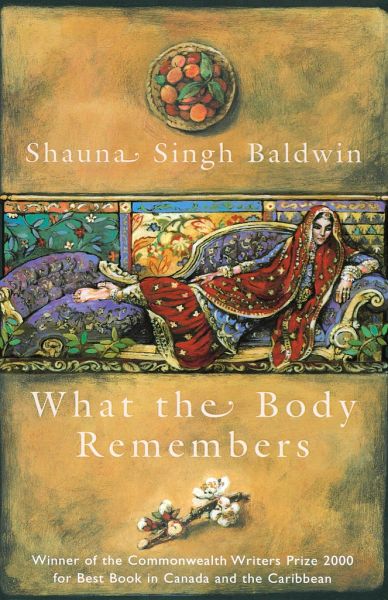
The year is 1937, and Roop, a sixteen-year-old Sikh girl from a small village in Northwestern India, has just been married to Sardarji, a wealthy man in his forties. She is a second wife, married without a dowry in the hope that she will bear children, because Sardarji's first wife, Satya, a proud, beautiful, combative woman whom he deeply loves, is childless. The wedding has been conducted in haste, and kept secret from Satya until after the fact. Angered and insulted, she does little to disguise her hatred of Roop, and secretly plans to be rid of her after she has served her purpose and given Sardarji a son. Besides being a landowner, Sardarji is an Oxford-educated engineer, who hopes that he can help India modernize. As a rising man in the Indian Irrigation Department, he works with British engineers, designing canals to help Indian farmers grow food for the country, and hydro dams to bring even greater prosperity by producing electric power. The British have promised India independence some day, but the timing and conditions of their departure have not yet been settled. Sardarji is instinctively conservative and believes that it is better to work with the British rulers than to agitate against them. But many others are working to drive the British out. Unfortunately, the leaders of the independence movement, in arousing nationalistic emotions, are also deepening the the religious divisions between the Hindu and Muslim populations — if India is free, which religion will be the dominant force? The Sikh community, to which Roop, Sardarji and Satya belong, is linked with the Hindus by their common history and some shared traditions, but the Sikhs also have historical grievances against the other religious communities. Intolerance and hatred are growing and the stage is set for bloody conflict.