
Nicht lieferbar
Andere Kunden interessierten sich auch für
 Historic Fields And Mansions Of Middlesex45,99 €
 Laboring in the Fields of the Lord24,99 €
 Through The Fields With Linnaeus V123,99 €
 Genealogy of the Fields of Providence, Rhode Island: as Traced Mainly From Records and Papers in Rhode Island15,99 €
") The Fields Of The Fatherless (1918)21,99 €
The Fields Of The Fatherless (1918)21,99 € The Coal-fields of Great Britain: Their History, Structure and Resources. With Descriptions of the Coal-fields of Our Indian and Colonial Empire, and26,99 €
 The Fields of Sowerby Near Halifax, England, and of Flushing, New York: With Some Notices of the Families of Underhill, Bowne, Burling, Hazard, and Os18,99 €





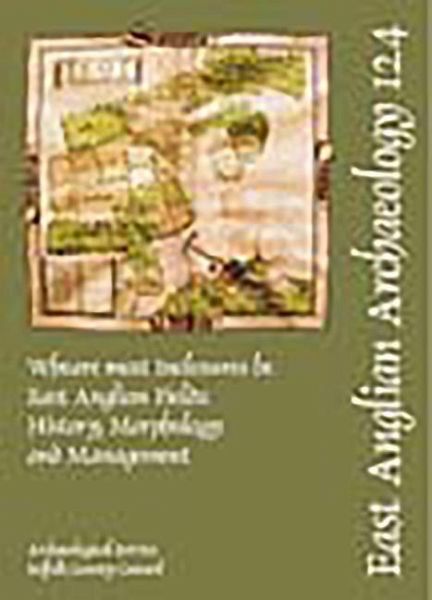
The results of a project carried out from 2000-05 to traces the historical development of field systems in East Anglia. The authors identified 8 land types (with 18 sub-types) and used these to analyse twelve areas in detail, particularly distinguishing between common fields and block holdings. Among their conclusions are that the co-axial fields identified are probably not as old as has sometimes been claimed (i.e. not pre-Roman), that East Anglia can be conveniently divided into two broad zones (with the river Gipping providing the boundary), and that the late Anglo-Saxon period proved to be one of significant change with both agricultural advances and Viking settlement leaving their mark on the landscape.