
Andere Kunden interessierten sich auch für
 Being There When It Counts20,99 €
 Why There Are No Good Men Left13,99 €
 There Ain't No Such Animal17,99 €
 These Were People Once130,99 €
 The Book of Were-Wolves18,99 €
 Solar Houses and Transformed Lives17,99 €
 Names of Persons for Whom Marriage Licenses Were Issued by the Secretary of the Province of New York, Previous to 178434,90 €
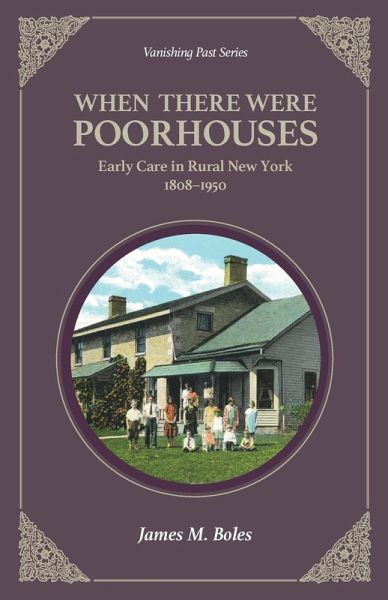
To prevent them from slipping into the void of abandoned history, this book describes the institutions-some highly visible and others lesser known in and near Niagara County-that provided some of the earliest organized care for the blind, deaf, sick, disabled, insane, and destitute. Niagara County, a typical rural county of New York State, serves as a historical model for study of the various institutions-the poorhouses, almshouses, sanatoriums, asylums, orphanages, pest houses, widows houses, hospitals, and special schools in the 19th and early 20th centuries. Our predecessors, however harsh and out-moded their care seems now, labored under and along with societal and cultural attitudes that mandated a sense of responsibility toward the needy in their midst. Their early efforts provided a foundation for many of the programs in New York State that offer progressive services to its citizens today.