Karen Frost-Arnold (Associate Pr Associate Professor of Philosophy
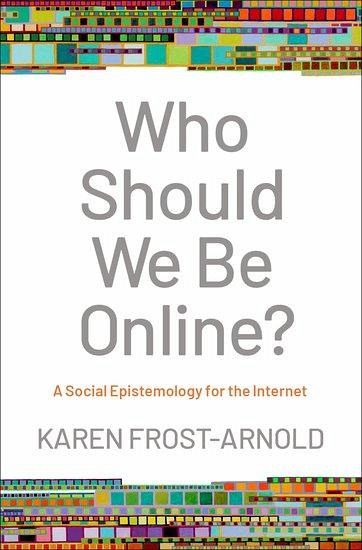
Who Should We Be Online?
A Social Epistemology for the Internet
Versandkostenfrei innerhalb Deutschlands
97,99 €
inkl. MwSt.
Versandkostenfrei*
Liefertermin unbestimmt
Melden Sie sich
hier
hier
für den Produktalarm an, um über die Verfügbarkeit des Produkts informiert zu werden.
oder sofort lesen als eBook
49 °P sammeln
Karen Frost-Arnold (Associate Pr Associate Professor of Philosophy
Who Should We Be Online?
A Social Epistemology for the Internet
- Gebundenes Buch
Who Should We Be Online? examines how power and social inequality shape knowledge and fuel misinformation on the internet. Drawing on numerous case studies, Frost-Arnold proposes structural and individual changes to make the internet more conducive to knowledge production and sharing.
Andere Kunden interessierten sich auch für
Michael Ruse (Professor of Philosophy, Professor of Philosophy, FloWhy We Hate35,99 €
John Pittard (Assist Assistant Professor of Philosophy of ReligionDisagreement, Deference, and Religious Commitment31,99 €
Elizabeth Finneron-Burns ( Assistant Professor of Political TheoryWhat We Owe to Future People92,99 €
Amandine Catala (Professor, Canada Research Chair, Professor, CanadThe Dynamics of Epistemic Injustice35,99 €
Brian Talbot (Assistant Professo Assistant Professor of PhilosophyThe End of Epistemology as We Know It92,99 €
Benjamin J.B. Lipscomb (Professor of Philosophy and Director of theThe Women Are Up to Something40,99 €
Erich Hatala MatthesDrawing the Line26,99 €-
-
-
Who Should We Be Online? examines how power and social inequality shape knowledge and fuel misinformation on the internet. Drawing on numerous case studies, Frost-Arnold proposes structural and individual changes to make the internet more conducive to knowledge production and sharing.
Produktdetails
- Produktdetails
- Verlag: Oxford University Press Inc
- Seitenzahl: 280
- Erscheinungstermin: 10. Januar 2023
- Englisch
- Abmessung: 236mm x 164mm x 24mm
- Gewicht: 558g
- ISBN-13: 9780190089184
- ISBN-10: 0190089180
- Artikelnr.: 66125624
- Herstellerkennzeichnung
- Libri GmbH
- Europaallee 1
- 36244 Bad Hersfeld
- gpsr@libri.de
- Verlag: Oxford University Press Inc
- Seitenzahl: 280
- Erscheinungstermin: 10. Januar 2023
- Englisch
- Abmessung: 236mm x 164mm x 24mm
- Gewicht: 558g
- ISBN-13: 9780190089184
- ISBN-10: 0190089180
- Artikelnr.: 66125624
- Herstellerkennzeichnung
- Libri GmbH
- Europaallee 1
- 36244 Bad Hersfeld
- gpsr@libri.de
Karen Frost-Arnold is Associate Professor of Philosophy at Hobart & William Smith Colleges. Her research focuses on the philosophy of the internet, the epistemology and ethics of trust, social epistemology, philosophy of science, and feminist philosophy.
* Acknowledgments
* Chapter 1: Introduction
* 1. Frameworks for social epistemology of the internet
* 1.1. The situated knowledge thesis
* 1.2. Feminist accounts of objectivity
* 1.3. Veritistic systems-oriented social epistemology
* 1.4. Epistemologies of ignorance
* 1.5. Virtue epistemology
* 1.6. Epistemic injustice
* 2. Chapter summaries
* Chapter 2: Moderators
* 1. What is online content moderation?
* 2. Varieties of moderation and censorship debates
* 3. The epistemic challenges of moderation
* 4. The virtues of moderators
* 5. Constraints on moderators
* 6. Commercial content moderation, epistemic exploitation, and
epistemic dumping
* 7. Algorithms to the rescue?
* Chapter 3: Imposters and Tricksters
* 1. Objectivity and truth
* 1.1. Objectivity and truth in feminist and veritistic epistemology
* 1.2. Objectivity, truth, and trust
* 2. Imposters: Undermining objectivity and truth
* 3. The need for trustworthiness
* 3.1. Trust and authenticity
* 3.2. Practical wisdom and trustworthiness
* 4. Tricksters: Resisting oppression
* 4.1. The epistemic benefits of betrayal
* 4.2. Internet tricksters
* 4.3. Changing epistemic landscapes and trickery
* 4.4. Who should we be online?
* Chapter 4: Fakers
* 1. What is fake news?
* 2. Causes of the fake news problem
* 2.1. Cognitive/psychological
* 2.2. Technological affordances/design features
* 2.3. Social causes
* 3. The epistemic damage of fake news
* 3.1. Fake news and false belief
* 3.2. Fake news and distrust
* 4. Fake news and white ignorance
* 5. Fake news, objectivity, and neutrality
* 6. Conclusion
* Chapter 5: Lurkers
* 1. The internet as a medium for unlearning ignorance
* 2. What is lurking?
* 3. The epistemic benefits of lurking
* 4. Epistemic limitations of lurking
* 5. Harmful modes of interaction: Ontological expansiveness
* 6. A virtue epistemology for lurking and online engagement
* 6.1. Virtues relevant to lurking and engagement
* 6.2. The importance of practical wisdom
* 7. Applying the virtue epistemology of lurking
* 8. Objections and replies
* Chapter 6: Conclusion
* Appendix: Internet Research Ethics for Philosophers: Privacy,
Positionality, and Power
* 1. Purpose of this appendix
* 2. Respecting privacy
* 2.1. Complications for the 'public data' presumption
* 2.2. Alternatives to simply quoting material one can access online
* 3. Protecting the researcher in an environment of online harassment
* 4. Avoiding epistemic appropriation
* 5. Cultivating a "traitorous identity" as a researcher
* References
* Index
* Chapter 1: Introduction
* 1. Frameworks for social epistemology of the internet
* 1.1. The situated knowledge thesis
* 1.2. Feminist accounts of objectivity
* 1.3. Veritistic systems-oriented social epistemology
* 1.4. Epistemologies of ignorance
* 1.5. Virtue epistemology
* 1.6. Epistemic injustice
* 2. Chapter summaries
* Chapter 2: Moderators
* 1. What is online content moderation?
* 2. Varieties of moderation and censorship debates
* 3. The epistemic challenges of moderation
* 4. The virtues of moderators
* 5. Constraints on moderators
* 6. Commercial content moderation, epistemic exploitation, and
epistemic dumping
* 7. Algorithms to the rescue?
* Chapter 3: Imposters and Tricksters
* 1. Objectivity and truth
* 1.1. Objectivity and truth in feminist and veritistic epistemology
* 1.2. Objectivity, truth, and trust
* 2. Imposters: Undermining objectivity and truth
* 3. The need for trustworthiness
* 3.1. Trust and authenticity
* 3.2. Practical wisdom and trustworthiness
* 4. Tricksters: Resisting oppression
* 4.1. The epistemic benefits of betrayal
* 4.2. Internet tricksters
* 4.3. Changing epistemic landscapes and trickery
* 4.4. Who should we be online?
* Chapter 4: Fakers
* 1. What is fake news?
* 2. Causes of the fake news problem
* 2.1. Cognitive/psychological
* 2.2. Technological affordances/design features
* 2.3. Social causes
* 3. The epistemic damage of fake news
* 3.1. Fake news and false belief
* 3.2. Fake news and distrust
* 4. Fake news and white ignorance
* 5. Fake news, objectivity, and neutrality
* 6. Conclusion
* Chapter 5: Lurkers
* 1. The internet as a medium for unlearning ignorance
* 2. What is lurking?
* 3. The epistemic benefits of lurking
* 4. Epistemic limitations of lurking
* 5. Harmful modes of interaction: Ontological expansiveness
* 6. A virtue epistemology for lurking and online engagement
* 6.1. Virtues relevant to lurking and engagement
* 6.2. The importance of practical wisdom
* 7. Applying the virtue epistemology of lurking
* 8. Objections and replies
* Chapter 6: Conclusion
* Appendix: Internet Research Ethics for Philosophers: Privacy,
Positionality, and Power
* 1. Purpose of this appendix
* 2. Respecting privacy
* 2.1. Complications for the 'public data' presumption
* 2.2. Alternatives to simply quoting material one can access online
* 3. Protecting the researcher in an environment of online harassment
* 4. Avoiding epistemic appropriation
* 5. Cultivating a "traitorous identity" as a researcher
* References
* Index
* Acknowledgments
* Chapter 1: Introduction
* 1. Frameworks for social epistemology of the internet
* 1.1. The situated knowledge thesis
* 1.2. Feminist accounts of objectivity
* 1.3. Veritistic systems-oriented social epistemology
* 1.4. Epistemologies of ignorance
* 1.5. Virtue epistemology
* 1.6. Epistemic injustice
* 2. Chapter summaries
* Chapter 2: Moderators
* 1. What is online content moderation?
* 2. Varieties of moderation and censorship debates
* 3. The epistemic challenges of moderation
* 4. The virtues of moderators
* 5. Constraints on moderators
* 6. Commercial content moderation, epistemic exploitation, and
epistemic dumping
* 7. Algorithms to the rescue?
* Chapter 3: Imposters and Tricksters
* 1. Objectivity and truth
* 1.1. Objectivity and truth in feminist and veritistic epistemology
* 1.2. Objectivity, truth, and trust
* 2. Imposters: Undermining objectivity and truth
* 3. The need for trustworthiness
* 3.1. Trust and authenticity
* 3.2. Practical wisdom and trustworthiness
* 4. Tricksters: Resisting oppression
* 4.1. The epistemic benefits of betrayal
* 4.2. Internet tricksters
* 4.3. Changing epistemic landscapes and trickery
* 4.4. Who should we be online?
* Chapter 4: Fakers
* 1. What is fake news?
* 2. Causes of the fake news problem
* 2.1. Cognitive/psychological
* 2.2. Technological affordances/design features
* 2.3. Social causes
* 3. The epistemic damage of fake news
* 3.1. Fake news and false belief
* 3.2. Fake news and distrust
* 4. Fake news and white ignorance
* 5. Fake news, objectivity, and neutrality
* 6. Conclusion
* Chapter 5: Lurkers
* 1. The internet as a medium for unlearning ignorance
* 2. What is lurking?
* 3. The epistemic benefits of lurking
* 4. Epistemic limitations of lurking
* 5. Harmful modes of interaction: Ontological expansiveness
* 6. A virtue epistemology for lurking and online engagement
* 6.1. Virtues relevant to lurking and engagement
* 6.2. The importance of practical wisdom
* 7. Applying the virtue epistemology of lurking
* 8. Objections and replies
* Chapter 6: Conclusion
* Appendix: Internet Research Ethics for Philosophers: Privacy,
Positionality, and Power
* 1. Purpose of this appendix
* 2. Respecting privacy
* 2.1. Complications for the 'public data' presumption
* 2.2. Alternatives to simply quoting material one can access online
* 3. Protecting the researcher in an environment of online harassment
* 4. Avoiding epistemic appropriation
* 5. Cultivating a "traitorous identity" as a researcher
* References
* Index
* Chapter 1: Introduction
* 1. Frameworks for social epistemology of the internet
* 1.1. The situated knowledge thesis
* 1.2. Feminist accounts of objectivity
* 1.3. Veritistic systems-oriented social epistemology
* 1.4. Epistemologies of ignorance
* 1.5. Virtue epistemology
* 1.6. Epistemic injustice
* 2. Chapter summaries
* Chapter 2: Moderators
* 1. What is online content moderation?
* 2. Varieties of moderation and censorship debates
* 3. The epistemic challenges of moderation
* 4. The virtues of moderators
* 5. Constraints on moderators
* 6. Commercial content moderation, epistemic exploitation, and
epistemic dumping
* 7. Algorithms to the rescue?
* Chapter 3: Imposters and Tricksters
* 1. Objectivity and truth
* 1.1. Objectivity and truth in feminist and veritistic epistemology
* 1.2. Objectivity, truth, and trust
* 2. Imposters: Undermining objectivity and truth
* 3. The need for trustworthiness
* 3.1. Trust and authenticity
* 3.2. Practical wisdom and trustworthiness
* 4. Tricksters: Resisting oppression
* 4.1. The epistemic benefits of betrayal
* 4.2. Internet tricksters
* 4.3. Changing epistemic landscapes and trickery
* 4.4. Who should we be online?
* Chapter 4: Fakers
* 1. What is fake news?
* 2. Causes of the fake news problem
* 2.1. Cognitive/psychological
* 2.2. Technological affordances/design features
* 2.3. Social causes
* 3. The epistemic damage of fake news
* 3.1. Fake news and false belief
* 3.2. Fake news and distrust
* 4. Fake news and white ignorance
* 5. Fake news, objectivity, and neutrality
* 6. Conclusion
* Chapter 5: Lurkers
* 1. The internet as a medium for unlearning ignorance
* 2. What is lurking?
* 3. The epistemic benefits of lurking
* 4. Epistemic limitations of lurking
* 5. Harmful modes of interaction: Ontological expansiveness
* 6. A virtue epistemology for lurking and online engagement
* 6.1. Virtues relevant to lurking and engagement
* 6.2. The importance of practical wisdom
* 7. Applying the virtue epistemology of lurking
* 8. Objections and replies
* Chapter 6: Conclusion
* Appendix: Internet Research Ethics for Philosophers: Privacy,
Positionality, and Power
* 1. Purpose of this appendix
* 2. Respecting privacy
* 2.1. Complications for the 'public data' presumption
* 2.2. Alternatives to simply quoting material one can access online
* 3. Protecting the researcher in an environment of online harassment
* 4. Avoiding epistemic appropriation
* 5. Cultivating a "traitorous identity" as a researcher
* References
* Index