25,99 €
inkl. MwSt.
Versandkostenfrei*Erscheint vorauss. 1. März 2026
Melden Sie sich
hier
hier
für den Produktalarm an, um über die Verfügbarkeit des Produkts informiert zu werden.

13 °P sammeln
Andere Kunden interessierten sich auch für
 Master Kierkegaard28,99 €
 Master Kierkegaard20,99 €
 Master Kierkegaard32,99 €
 Life of Reverdy Johnson31,99 €
 God Against Slavery: And the Freedom and Duty of the Pulpit to Rebuke It, as a Sin Against God31,99 €
 Life of Principal Harper, D.D34,99 €
 John Knox16,99 €




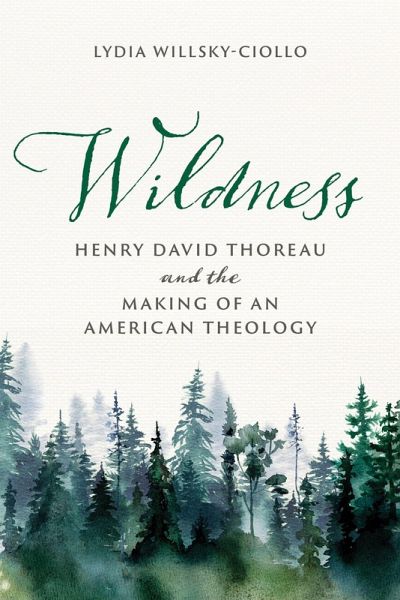
In and through his experience of nature, Henry David Thoreau imagined and developed a distinctly American theology of the wild. In Wildness: Henry David Thoreau and the Making of an American Theology, Lydia Willsky-Ciollo articulates how Thoreau was enmeshed in a decades-spanning project of crafting a theology of wildness. During Thoreau's post-college years and his time at Walden Pond, he evolved from hopeful writer to observant theologian, whose primary work as a surveyor enabled his theological vocation. Willsky-Ciollo skillfully guides readers through Thoreau's writings and life as his theology emerges and evolves. The focus of Thoreau's theology - wildness itself - centers on the divinity extant in every person and in every molecule of creation. Definitively American in its ethos, Thoreau's theology reflects a distinctly American set of tensions: progress and tradition, wilderness and civilization, the destructive and the generative nature of work, the individual and the society, the local and the universal, and the Christian and the pluralist. While remaining critical of dogmatism and institutional rigidity, he formed his theological vision in conversation with the Christianity of his own time and place. Ultimately, theology is an active process, and interpreting the wild experience of divine revelation is the purview of all. Thoreau left the door open to his readers, who he hoped would pick up the pen where he left off and write their own theologies of wildness.