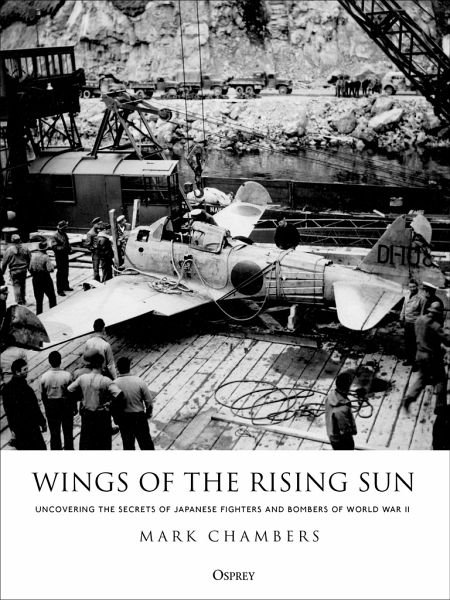
A fascinating insight into how the Allies learned about the capabilities and limitations of the Imperial Japanese Naval Air Force and Japanese Army Air Force through flight testing and evaluation of enemy equipment.
A fascinating insight into how the Allies learned about the capabilities and limitations of the Imperial Japanese Naval Air Force and Japanese Army Air Force through flight testing and evaluation of enemy equipment.
Mark Chambers is an avid World War II aviation enthusiast and aviation history author. He has studied World War II military aviation, with a keen focus on the air war in the Pacific, extensively. He is the author of Images of Aviation--Flight Research at NASA Langley Research Center (2007), Images of Aviation--Naval Air Station Patuxent River (2014), Building the Supermarine Spitfire--Speed in the Skies (2016), Engineering Test Pilot--The Exceptional Career of John P. "Jack" Reeder (2007) and From Research to Relevance--Significant Achievements in Aeronautical Research at NASA Langley, 1917-2002 (2002). He works as a government contractor technical editor for the NASA Langley Research Center in Hampton, Virginia.
Inhaltsangabe
Chapter 1: The Allied Technical Air Intelligence Units (TAIU) - The establishment of TAIU and their bases. Chapter 2: Flight Testing and Evaluating Captured Japanese World War 2 Fighters - Flight Testing and Evaluating Koga's Zero-sen - Flight Testing and Evaluation at NAS San Diego, California - Flight Testing and Evaluation at NAS Anacostia, Washington, D.C. - Wind-Tunnel Testing and Ground Static Evaluation at NACA Langley, Hampton, Virginia - Flight Testing and Evaluation at Wright Field, Dayton, Ohio - Allied TAIU South East Asia and RAF/USAAF Evaluations - TAIU for the South West Pacific Area (TAIU-SWPA) and US Navy/USAAF Evaluations - TAIC Evaluations Chapter 3: Flight Testing and Evaluating Captured Japanese Bombers - TAIU Southwest Asia - RAF/USAAF Evaluations - TAIU for the SWPA - US Navy/USAAF Evaluations - TAIC Evaluations Chapter 4: Flight Testing and Evaluating Captured Japanese Seaplanes and Flying Boats - TAIU Southwest Asia - RAF/USAAF Evaluations - TAIU for the SWPA - US Navy/USAAF Evaluations - TAIC Evaluations Chapter 5: Flight Testing and Evaluating Captured Japanese Transports - TAIU Southwest Asia - RAF/USAAF Evaluations - TAIU for the SWPA - US Navy/USAAF Evaluations - TAIC Evaluations Chapter 6: Flight Testing and Evaluating Captured Japanese Turbojet and Rocket-Powered Aircraft - TAIU Southwest Asia - RAF/USAAF Evaluations - TAIU for the SWPA - US Navy/USAAF Evaluations - TAIC Evaluations - US Army/US Navy findings at Japanese aircraft manufacturing facilities and military bases Chapter 7: Evaluating Japanese Special Weapons - TAIU Southwest Asia - RAF/USAAF Evaluations - TAIU for the SWPA - US Navy/USAAF Evaluations - TAIC Evaluations - Survey of US Intelligence Report findings Chapter 8: What the Allies Gained from Evaluations of Captured Japanese Aircraft - Determination of strengths and weaknesses of Japanese aircraft and aerial weapons - Enabled Allies to develop tactics for combating and defeating Japanese aerial threats - Provided invaluable insight into Japanese aircraft and aerial weapon design philosophy and manufacturing practices - Provided a valuable status of the state of Japanese aeronautics technology development and advancement during World War 2 Chapter 9: Where are they Now? - Japanese aircraft scrapped in US when no longer needed - Paul Garber (Smithsonian) stored many examples - Refurbished Japanese aircraft that were once US flight-test subjects - Refurbished Japanese aircraft that were once Allied flight-test subjects on display in Great Britain Appendices - Roster of Japanese captured test aircraft in the United States and abroad, with disposition where known - List of key American reports and evaluations of Japanese aircraft and aerial weapons technologies. Index
Chapter 1: The Allied Technical Air Intelligence Units (TAIU) - The establishment of TAIU and their bases. Chapter 2: Flight Testing and Evaluating Captured Japanese World War 2 Fighters - Flight Testing and Evaluating Koga's Zero-sen - Flight Testing and Evaluation at NAS San Diego, California - Flight Testing and Evaluation at NAS Anacostia, Washington, D.C. - Wind-Tunnel Testing and Ground Static Evaluation at NACA Langley, Hampton, Virginia - Flight Testing and Evaluation at Wright Field, Dayton, Ohio - Allied TAIU South East Asia and RAF/USAAF Evaluations - TAIU for the South West Pacific Area (TAIU-SWPA) and US Navy/USAAF Evaluations - TAIC Evaluations Chapter 3: Flight Testing and Evaluating Captured Japanese Bombers - TAIU Southwest Asia - RAF/USAAF Evaluations - TAIU for the SWPA - US Navy/USAAF Evaluations - TAIC Evaluations Chapter 4: Flight Testing and Evaluating Captured Japanese Seaplanes and Flying Boats - TAIU Southwest Asia - RAF/USAAF Evaluations - TAIU for the SWPA - US Navy/USAAF Evaluations - TAIC Evaluations Chapter 5: Flight Testing and Evaluating Captured Japanese Transports - TAIU Southwest Asia - RAF/USAAF Evaluations - TAIU for the SWPA - US Navy/USAAF Evaluations - TAIC Evaluations Chapter 6: Flight Testing and Evaluating Captured Japanese Turbojet and Rocket-Powered Aircraft - TAIU Southwest Asia - RAF/USAAF Evaluations - TAIU for the SWPA - US Navy/USAAF Evaluations - TAIC Evaluations - US Army/US Navy findings at Japanese aircraft manufacturing facilities and military bases Chapter 7: Evaluating Japanese Special Weapons - TAIU Southwest Asia - RAF/USAAF Evaluations - TAIU for the SWPA - US Navy/USAAF Evaluations - TAIC Evaluations - Survey of US Intelligence Report findings Chapter 8: What the Allies Gained from Evaluations of Captured Japanese Aircraft - Determination of strengths and weaknesses of Japanese aircraft and aerial weapons - Enabled Allies to develop tactics for combating and defeating Japanese aerial threats - Provided invaluable insight into Japanese aircraft and aerial weapon design philosophy and manufacturing practices - Provided a valuable status of the state of Japanese aeronautics technology development and advancement during World War 2 Chapter 9: Where are they Now? - Japanese aircraft scrapped in US when no longer needed - Paul Garber (Smithsonian) stored many examples - Refurbished Japanese aircraft that were once US flight-test subjects - Refurbished Japanese aircraft that were once Allied flight-test subjects on display in Great Britain Appendices - Roster of Japanese captured test aircraft in the United States and abroad, with disposition where known - List of key American reports and evaluations of Japanese aircraft and aerial weapons technologies. Index
Es gelten unsere Allgemeinen Geschäftsbedingungen: www.buecher.de/agb
Impressum
www.buecher.de ist ein Internetauftritt der buecher.de internetstores GmbH
Geschäftsführung: Monica Sawhney | Roland Kölbl | Günter Hilger
Sitz der Gesellschaft: Batheyer Straße 115 - 117, 58099 Hagen
Postanschrift: Bürgermeister-Wegele-Str. 12, 86167 Augsburg
Amtsgericht Hagen HRB 13257
Steuernummer: 321/5800/1497
USt-IdNr: DE450055826