
Andere Kunden interessierten sich auch für
 Impact of Invasive Grasses and Plants on Biodiversity185,99 €
 The Woman Celebrant13,99 €
 Biodiversity Hotspot of the Western Ghats and Sri Lanka137,99 €
 Tropical Ecosystems in Australia72,99 €
 Electricity In The Diseases Of Women18,99 €
 A Treatise On Midwifery, And The Diseases Of Women And Children18,99 €
 Diseases of Women24,99 €


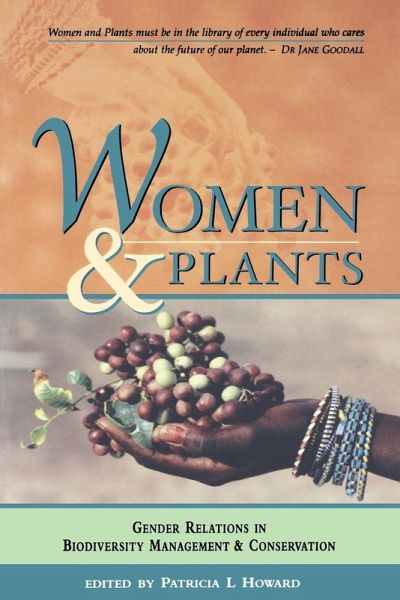
This unique collection of in-depth case studies from Latin America, Asia, Africa, Europe and North America demonstrates the importance of women and gender relations in plant genetic resource management and conservation. It provides a state-of-the-art overview of the concepts, relationships and contexts explaining the relatively hidden gender dimensions of people-plant relations. The contributors come from a rich range of disciplines including ethnobotany, geography, agronomy, anthropology, plant breeding, nutrition and development economics. They demonstrate how crucial women are to plant biodiversity management and conservation at household, village, and community levels; and how gender relations have a strong influence on the ways in which local people understand, manage, and conserve biodiversity. Continued access to biological resources is crucial to rural women's status and welfare, and their motivations therefore are a principal driving force countering processes of biological erosion. The contributors highlight the gender biases evident in much contemporary scientific research, policy and development practice. And they seek to contribute to a number of important debates, including the determinants of genetic erosion, the significance of gender in indigenous ethno-botanical knowledge systems, indigenous intellectual property rights systems and women's entitlements therein, and ecofeminist and other debates about the nature of gender-environment relations.