
Andere Kunden interessierten sich auch für
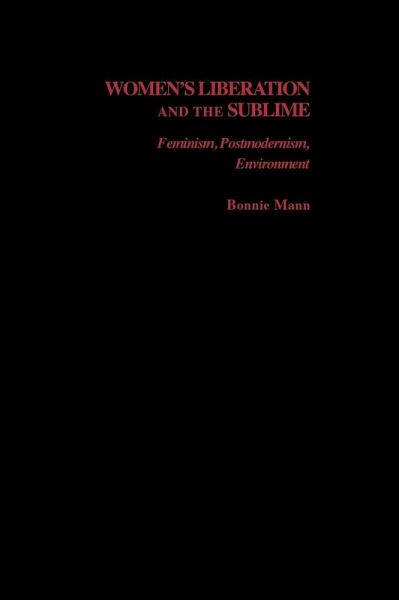
 Women's Liberation and the Sublime34,99 €
 Feminist History of Philosophy: The Recovery and Evaluation of Women's Philosophical Thought106,99 €
 Feminist History of Philosophy: The Recovery and Evaluation of Women's Philosophical Thought106,99 €
 Adaptive Preferences and Women's Empowerment52,99 €
 Oppressive Liberation98,99 €
 Politics and Affect in Black Women's Fiction48,99 €
 Oppressive Liberation98,99 €

Womens Liberation and the Sublime is a passionate report on the state of feminist thinking and practice after the linguistic turn. A critical assessment of masculinist notions of the sublime in modern and postmodern accounts grounds the author's positive and constructive recuperation of sublime experience in a feminist voice.
The notion of citizenship is complex; it can be at once an identity; a set of rights, privileges, and responsibilities; an elevated and exclusionary status, a relationship between individual and state, and more. In recent decades citizenship has attracted interdisciplinary attention, particularly with the transnational growth of Western capitalism. Yet citizenship's relationship to gender has gone relatively unexplored--despite the globally pervasive denial of citizenship to women, historically and in many places, ongoing today. This highly interdisciplinary volume explores the political and cultural dimensions of citizenship and their relevance to women and gender. Containing essays by a well-known group of scholars, including Iris Marion Young, Alison Jaggar, Martha Nussbaum, and Sandra Bartky, this book examines the conceptual issues and strategies at play in the feminist quest to give women full citizenship status. The contributors take a fresh look at the issues, going beyond conventional critiques, and examine problems in the political and social arrangements, practices, and conditions that diminish women's citizenship in various parts of the world.
The notion of citizenship is complex; it can be at once an identity; a set of rights, privileges, and responsibilities; an elevated and exclusionary status, a relationship between individual and state, and more. In recent decades citizenship has attracted interdisciplinary attention, particularly with the transnational growth of Western capitalism. Yet citizenship's relationship to gender has gone relatively unexplored--despite the globally pervasive denial of citizenship to women, historically and in many places, ongoing today. This highly interdisciplinary volume explores the political and cultural dimensions of citizenship and their relevance to women and gender. Containing essays by a well-known group of scholars, including Iris Marion Young, Alison Jaggar, Martha Nussbaum, and Sandra Bartky, this book examines the conceptual issues and strategies at play in the feminist quest to give women full citizenship status. The contributors take a fresh look at the issues, going beyond conventional critiques, and examine problems in the political and social arrangements, practices, and conditions that diminish women's citizenship in various parts of the world.