
- Broschiertes Buch
- Merkliste
- Auf die Merkliste
- Bewerten Bewerten
- Teilen
- Produkt teilen
- Produkterinnerung
- Produkterinnerung
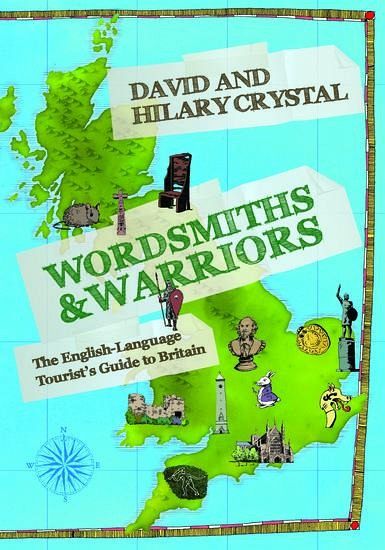
Who formed and shaped the English language? David and Hilary Crystal take us on a journey through Britain to discover the people who gave our language its colour and character; Saxon invaders, medieval scholars, poets, reformers, dictionary writers. Part travelogue, part history, this beautifully illustrated book is full of unexpected delights.
Andere Kunden interessierten sich auch für
 Peter Siemund (Universitat Hamburg)Varieties of English37,99 €
 Jennifer SpeakeThe Oxford Dictionary of Proverbs11,99 €
 Bas Aarts (Professor of English Linguistics and Director of the SurThe Oxford Dictionary of English Grammar13,99 €
 David CrystalA Little Book of Language10,99 €
 David CrystalSpell It Out9,99 €
 David CrystalThe Story of English in 100 Words9,99 €
 Gaston DorrenLingo10,99 €
-
-
-

Who formed and shaped the English language? David and Hilary Crystal take us on a journey through Britain to discover the people who gave our language its colour and character; Saxon invaders, medieval scholars, poets, reformers, dictionary writers. Part travelogue, part history, this beautifully illustrated book is full of unexpected delights.
Produktdetails
- Produktdetails
- Verlag: Oxford University Press
- Seitenzahl: 440
- Erscheinungstermin: 5. März 2015
- Englisch
- Abmessung: 244mm x 169mm x 25mm
- Gewicht: 844g
- ISBN-13: 9780198729136
- ISBN-10: 0198729138
- Artikelnr.: 41771732
- Herstellerkennzeichnung
- Libri GmbH
- Europaallee 1
- 36244 Bad Hersfeld
- gpsr@libri.de
- Verlag: Oxford University Press
- Seitenzahl: 440
- Erscheinungstermin: 5. März 2015
- Englisch
- Abmessung: 244mm x 169mm x 25mm
- Gewicht: 844g
- ISBN-13: 9780198729136
- ISBN-10: 0198729138
- Artikelnr.: 41771732
- Herstellerkennzeichnung
- Libri GmbH
- Europaallee 1
- 36244 Bad Hersfeld
- gpsr@libri.de
David Crystal is known throughout the world as a writer, editor, lecturer and broadcaster on language. He has published extensively on the history and development of English, including The Stories of English (2004), Evolving English (2010), Begat: The King James Bible and the English Language (2010), The Story of English in 100 Words (2011), and Spell It Out: The Singular Story of English Spelling (2012). Hilary Crystal trained as a speech therapist, worked for a while in clinical linguistic research, then became a sub-editor for the various volumes in the Cambridge and Penguin families of encyclopedias. She has designed several books, notably the anthologies of the poetry of John Bradburne edited by David.
* 1: Pegwell Bay: arrival
* 2: Caistor St Edmund: the earliest known English word
* 3: Undley Common: the first recorded English sentence
* 4: Jarrow: Bede and the origins of English
* 5: Lindisfarne: glossaries and translations
* 6: Ruthwell: the finest runic inscription
* 7: Stourton and Edington: King Alfred and the birth of English
* 8: Maldon: the ultimate warrior wordsmith
* 9: Winchester: the first standard English
* 10: Cerne Abbas: Ælfric and the first English conversation
* 11: Ely: Wulfstan and Old English style
* 12: Peterborough: the Anglo-Saxon Chronicle
* 13: Battle and Normans Bay: the French connection
* 14: Bourne: Orrm and English spelling
* 15: Areley Kings: Layamon's English Chronicle
* 16: Chester and Berkeley: Higden, Trevisa, and the rise of English
* 17: Rhuddlan: the English language in Wales
* 18: Manorbier: little England beyond Wales
* 19: Dunfermline: the birth of Scots English
* 20: Talbot Yard, London SE1: Chaucer and Middle English
* 21: Canterbury: from ancient to modern
* 22: Cursitor Street, London EC4: Chancery and standard English
* 23: Tothill Street, London SW1: Caxton and printing English
* 24: St Albans: Juliana Berners and collective nouns
* 25: Paston: a family of letters
* 26: Lutterworth: John Wycliffe and Bible translation
* 27: North Nibley: William Tyndale and the English Bible
* 28: Chichester: William Bullokar and the first English grammar
* 29: Suffolk Lane and St Paul's, London EC4: Richard Mulcaster and the
status of English
* 30: Stratford-upon-Avon: Shakespeare and English idiom
* 31: Park Street, London SE1: Shakespeare and linguistic innovation
* 32: Oakham: Robert Cawdrey and the first dictionary
* 33: Willoughby: John Smith and new Englishes
* 34: East India Dock, London E14: the East India Company and global
English
* 35: Hampton Court Palace: King James and his Bible
* 36: Black Notley: John Ray and English proverbs
* 37: Aldwincle: John Dryden and an English Academy
* 38: Old Broad Street, London EC2: the Royal Society and scientific
English
* 39: Rochdale: Tim Bobbin and local dialect
* 40: Lichfield: Johnson and the dictionary
* 41: Old St Pancras Church, London NW1: John Walker and pronunciation
* 42: York: Lindley Murray and English grammar
* 43: Alloway: Robert Burns and Scots
* 44: Peebles and Edinburgh: the Chambers brothers and encyclopedic
English
* 45: Grasmere: William Wordsworth and poetic language
* 46: West Malvern: Roget and the thesaurus
* 47: Bath: Isaac Pitman and English shorthand
* 48: Oxford: James Murray and the Oxford English Dictionary
* 49: Winterborne Came: William Barnes and speech-craft
* 50: Higher Bockhampton: Thomas Hardy and Wessex dialect
* 51: Saltaire: Joseph Wright and English dialects
* 52: Hinton St George: Henry Fowler and English usage
* 53: Ayot St Lawrence: George Bernard Shaw and spelling reform
* 54: Laugharne: Dylan Thomas and Welsh English
* 55: Tilbury: the Empire Windrush and new dialects
* 56: University College, London WC1: Daniel Jones and English
phonetics
* 57: University College, London WC1: the Survey of English Usage
* Regional Grouping
* Index of Places
* General Index
* 2: Caistor St Edmund: the earliest known English word
* 3: Undley Common: the first recorded English sentence
* 4: Jarrow: Bede and the origins of English
* 5: Lindisfarne: glossaries and translations
* 6: Ruthwell: the finest runic inscription
* 7: Stourton and Edington: King Alfred and the birth of English
* 8: Maldon: the ultimate warrior wordsmith
* 9: Winchester: the first standard English
* 10: Cerne Abbas: Ælfric and the first English conversation
* 11: Ely: Wulfstan and Old English style
* 12: Peterborough: the Anglo-Saxon Chronicle
* 13: Battle and Normans Bay: the French connection
* 14: Bourne: Orrm and English spelling
* 15: Areley Kings: Layamon's English Chronicle
* 16: Chester and Berkeley: Higden, Trevisa, and the rise of English
* 17: Rhuddlan: the English language in Wales
* 18: Manorbier: little England beyond Wales
* 19: Dunfermline: the birth of Scots English
* 20: Talbot Yard, London SE1: Chaucer and Middle English
* 21: Canterbury: from ancient to modern
* 22: Cursitor Street, London EC4: Chancery and standard English
* 23: Tothill Street, London SW1: Caxton and printing English
* 24: St Albans: Juliana Berners and collective nouns
* 25: Paston: a family of letters
* 26: Lutterworth: John Wycliffe and Bible translation
* 27: North Nibley: William Tyndale and the English Bible
* 28: Chichester: William Bullokar and the first English grammar
* 29: Suffolk Lane and St Paul's, London EC4: Richard Mulcaster and the
status of English
* 30: Stratford-upon-Avon: Shakespeare and English idiom
* 31: Park Street, London SE1: Shakespeare and linguistic innovation
* 32: Oakham: Robert Cawdrey and the first dictionary
* 33: Willoughby: John Smith and new Englishes
* 34: East India Dock, London E14: the East India Company and global
English
* 35: Hampton Court Palace: King James and his Bible
* 36: Black Notley: John Ray and English proverbs
* 37: Aldwincle: John Dryden and an English Academy
* 38: Old Broad Street, London EC2: the Royal Society and scientific
English
* 39: Rochdale: Tim Bobbin and local dialect
* 40: Lichfield: Johnson and the dictionary
* 41: Old St Pancras Church, London NW1: John Walker and pronunciation
* 42: York: Lindley Murray and English grammar
* 43: Alloway: Robert Burns and Scots
* 44: Peebles and Edinburgh: the Chambers brothers and encyclopedic
English
* 45: Grasmere: William Wordsworth and poetic language
* 46: West Malvern: Roget and the thesaurus
* 47: Bath: Isaac Pitman and English shorthand
* 48: Oxford: James Murray and the Oxford English Dictionary
* 49: Winterborne Came: William Barnes and speech-craft
* 50: Higher Bockhampton: Thomas Hardy and Wessex dialect
* 51: Saltaire: Joseph Wright and English dialects
* 52: Hinton St George: Henry Fowler and English usage
* 53: Ayot St Lawrence: George Bernard Shaw and spelling reform
* 54: Laugharne: Dylan Thomas and Welsh English
* 55: Tilbury: the Empire Windrush and new dialects
* 56: University College, London WC1: Daniel Jones and English
phonetics
* 57: University College, London WC1: the Survey of English Usage
* Regional Grouping
* Index of Places
* General Index
* 1: Pegwell Bay: arrival
* 2: Caistor St Edmund: the earliest known English word
* 3: Undley Common: the first recorded English sentence
* 4: Jarrow: Bede and the origins of English
* 5: Lindisfarne: glossaries and translations
* 6: Ruthwell: the finest runic inscription
* 7: Stourton and Edington: King Alfred and the birth of English
* 8: Maldon: the ultimate warrior wordsmith
* 9: Winchester: the first standard English
* 10: Cerne Abbas: Ælfric and the first English conversation
* 11: Ely: Wulfstan and Old English style
* 12: Peterborough: the Anglo-Saxon Chronicle
* 13: Battle and Normans Bay: the French connection
* 14: Bourne: Orrm and English spelling
* 15: Areley Kings: Layamon's English Chronicle
* 16: Chester and Berkeley: Higden, Trevisa, and the rise of English
* 17: Rhuddlan: the English language in Wales
* 18: Manorbier: little England beyond Wales
* 19: Dunfermline: the birth of Scots English
* 20: Talbot Yard, London SE1: Chaucer and Middle English
* 21: Canterbury: from ancient to modern
* 22: Cursitor Street, London EC4: Chancery and standard English
* 23: Tothill Street, London SW1: Caxton and printing English
* 24: St Albans: Juliana Berners and collective nouns
* 25: Paston: a family of letters
* 26: Lutterworth: John Wycliffe and Bible translation
* 27: North Nibley: William Tyndale and the English Bible
* 28: Chichester: William Bullokar and the first English grammar
* 29: Suffolk Lane and St Paul's, London EC4: Richard Mulcaster and the
status of English
* 30: Stratford-upon-Avon: Shakespeare and English idiom
* 31: Park Street, London SE1: Shakespeare and linguistic innovation
* 32: Oakham: Robert Cawdrey and the first dictionary
* 33: Willoughby: John Smith and new Englishes
* 34: East India Dock, London E14: the East India Company and global
English
* 35: Hampton Court Palace: King James and his Bible
* 36: Black Notley: John Ray and English proverbs
* 37: Aldwincle: John Dryden and an English Academy
* 38: Old Broad Street, London EC2: the Royal Society and scientific
English
* 39: Rochdale: Tim Bobbin and local dialect
* 40: Lichfield: Johnson and the dictionary
* 41: Old St Pancras Church, London NW1: John Walker and pronunciation
* 42: York: Lindley Murray and English grammar
* 43: Alloway: Robert Burns and Scots
* 44: Peebles and Edinburgh: the Chambers brothers and encyclopedic
English
* 45: Grasmere: William Wordsworth and poetic language
* 46: West Malvern: Roget and the thesaurus
* 47: Bath: Isaac Pitman and English shorthand
* 48: Oxford: James Murray and the Oxford English Dictionary
* 49: Winterborne Came: William Barnes and speech-craft
* 50: Higher Bockhampton: Thomas Hardy and Wessex dialect
* 51: Saltaire: Joseph Wright and English dialects
* 52: Hinton St George: Henry Fowler and English usage
* 53: Ayot St Lawrence: George Bernard Shaw and spelling reform
* 54: Laugharne: Dylan Thomas and Welsh English
* 55: Tilbury: the Empire Windrush and new dialects
* 56: University College, London WC1: Daniel Jones and English
phonetics
* 57: University College, London WC1: the Survey of English Usage
* Regional Grouping
* Index of Places
* General Index
* 2: Caistor St Edmund: the earliest known English word
* 3: Undley Common: the first recorded English sentence
* 4: Jarrow: Bede and the origins of English
* 5: Lindisfarne: glossaries and translations
* 6: Ruthwell: the finest runic inscription
* 7: Stourton and Edington: King Alfred and the birth of English
* 8: Maldon: the ultimate warrior wordsmith
* 9: Winchester: the first standard English
* 10: Cerne Abbas: Ælfric and the first English conversation
* 11: Ely: Wulfstan and Old English style
* 12: Peterborough: the Anglo-Saxon Chronicle
* 13: Battle and Normans Bay: the French connection
* 14: Bourne: Orrm and English spelling
* 15: Areley Kings: Layamon's English Chronicle
* 16: Chester and Berkeley: Higden, Trevisa, and the rise of English
* 17: Rhuddlan: the English language in Wales
* 18: Manorbier: little England beyond Wales
* 19: Dunfermline: the birth of Scots English
* 20: Talbot Yard, London SE1: Chaucer and Middle English
* 21: Canterbury: from ancient to modern
* 22: Cursitor Street, London EC4: Chancery and standard English
* 23: Tothill Street, London SW1: Caxton and printing English
* 24: St Albans: Juliana Berners and collective nouns
* 25: Paston: a family of letters
* 26: Lutterworth: John Wycliffe and Bible translation
* 27: North Nibley: William Tyndale and the English Bible
* 28: Chichester: William Bullokar and the first English grammar
* 29: Suffolk Lane and St Paul's, London EC4: Richard Mulcaster and the
status of English
* 30: Stratford-upon-Avon: Shakespeare and English idiom
* 31: Park Street, London SE1: Shakespeare and linguistic innovation
* 32: Oakham: Robert Cawdrey and the first dictionary
* 33: Willoughby: John Smith and new Englishes
* 34: East India Dock, London E14: the East India Company and global
English
* 35: Hampton Court Palace: King James and his Bible
* 36: Black Notley: John Ray and English proverbs
* 37: Aldwincle: John Dryden and an English Academy
* 38: Old Broad Street, London EC2: the Royal Society and scientific
English
* 39: Rochdale: Tim Bobbin and local dialect
* 40: Lichfield: Johnson and the dictionary
* 41: Old St Pancras Church, London NW1: John Walker and pronunciation
* 42: York: Lindley Murray and English grammar
* 43: Alloway: Robert Burns and Scots
* 44: Peebles and Edinburgh: the Chambers brothers and encyclopedic
English
* 45: Grasmere: William Wordsworth and poetic language
* 46: West Malvern: Roget and the thesaurus
* 47: Bath: Isaac Pitman and English shorthand
* 48: Oxford: James Murray and the Oxford English Dictionary
* 49: Winterborne Came: William Barnes and speech-craft
* 50: Higher Bockhampton: Thomas Hardy and Wessex dialect
* 51: Saltaire: Joseph Wright and English dialects
* 52: Hinton St George: Henry Fowler and English usage
* 53: Ayot St Lawrence: George Bernard Shaw and spelling reform
* 54: Laugharne: Dylan Thomas and Welsh English
* 55: Tilbury: the Empire Windrush and new dialects
* 56: University College, London WC1: Daniel Jones and English
phonetics
* 57: University College, London WC1: the Survey of English Usage
* Regional Grouping
* Index of Places
* General Index