
Andere Kunden interessierten sich auch für
") Examples in Strict Counterpoint (old and new)30,99 €
Examples in Strict Counterpoint (old and new)30,99 € Counterpoint32,99 €
 The School of Musical Composition, Tr. by A. Wehrhan38,99 €
 Studies In The Art Of Counterpoint30,99 €
 Cours De Composition Musicale Premier Livre30,99 €
 Practical Counterpoint; a Concise Treatise Illustrative of Both the Strict and Free Styles30,99 €
 Counterpoint28,99 €

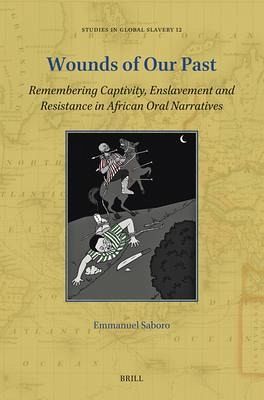
While the trans-Atlantic slave trade ended in the nineteenth century, slave raiding and dealing and the extensive use of slave labor continued into the twentieth century in many parts of Africa. Using primary oral sources such as songs, proverbs, names, and everyday sayings as a basis for critical reflection, the overriding aim of this book is to shift emphasis from conventional historical methodology by exploring previously neglected oral sources. Bringing such sources into the academic conversation proffers new insights relating to victims' responses and adjustments to slave raiding and trafficking in the late nineteenth century northern Ghana.