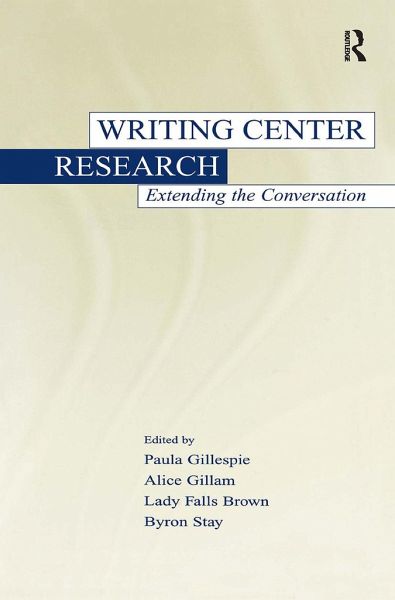
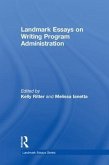
Original essays by writing center researchers directly address current concerns about writing ctr. research through detailed accounts of research and use of diversity of research methodologies available to both veteran & novice writing ctr. professionals
Original essays by writing center researchers directly address current concerns about writing ctr. research through detailed accounts of research and use of diversity of research methodologies available to both veteran & novice writing ctr. professionals
Paula Gillespie, Alice Gillam, Lady Falls Brown, Byron Stay
Inhaltsangabe
Contents: Preface. Introduction. Part I: Writing Centers as Sites of Self-Reflective Inquiry.A. Gillam, The Call to Research: Early Representations of Writing Center Research. E. Boquet, Disciplinary Action: Writing Center Work and the Making of a Researcher. P. Gillespie, Beyond the House of Lore: WCenter as Research Site. N. Lerner, Insider as Outsider: Participant Observation as Writing Center Research. Part II: Writing Centers as Sites of Institutional Critique and Contextual Inquiry. M. Harris, Writing Center Administration: Making Local, Institutional Knowledge in Our Writing Centers. P. Carino, Reading Our Own Words: Rhetorical Analysis and the Institutional Discourse of Writing Centers. J. Olson, D.J. Moyer, A. Falda, Student-Centered Assessment Research in the Writing Center. J.M. Neff, Capturing Complexity: Using Grounded Theory to Study Writing Centers. S. Thomas, J. Bevins, M.A. Crawford, The Portfolio Project: Sharing Our Stories. D. DeVoss, Computer Literacies and the Roles of the Writing Center. Part III: Writing Centers as Sites of Inquiry Into Practice.K.B. Yancey, Seeing Practice Through Their Eyes: Reflection as Teacher. N. Welch, The Return of the Suppressed: Tutoring Stories in a Transitional Space. J. Rodby, The Subject Is Literacy: General Education and the Dialectics of Power and Resistance in the Writing Center. J.M. Lutes, Why Feminists Make Better Tutors: Gender and Disciplinary Expertise in a Curriculum-Based Tutoring Program.
Contents: Preface. Introduction. Part I: Writing Centers as Sites of Self-Reflective Inquiry.A. Gillam, The Call to Research: Early Representations of Writing Center Research. E. Boquet, Disciplinary Action: Writing Center Work and the Making of a Researcher. P. Gillespie, Beyond the House of Lore: WCenter as Research Site. N. Lerner, Insider as Outsider: Participant Observation as Writing Center Research. Part II: Writing Centers as Sites of Institutional Critique and Contextual Inquiry. M. Harris, Writing Center Administration: Making Local, Institutional Knowledge in Our Writing Centers. P. Carino, Reading Our Own Words: Rhetorical Analysis and the Institutional Discourse of Writing Centers. J. Olson, D.J. Moyer, A. Falda, Student-Centered Assessment Research in the Writing Center. J.M. Neff, Capturing Complexity: Using Grounded Theory to Study Writing Centers. S. Thomas, J. Bevins, M.A. Crawford, The Portfolio Project: Sharing Our Stories. D. DeVoss, Computer Literacies and the Roles of the Writing Center. Part III: Writing Centers as Sites of Inquiry Into Practice.K.B. Yancey, Seeing Practice Through Their Eyes: Reflection as Teacher. N. Welch, The Return of the Suppressed: Tutoring Stories in a Transitional Space. J. Rodby, The Subject Is Literacy: General Education and the Dialectics of Power and Resistance in the Writing Center. J.M. Lutes, Why Feminists Make Better Tutors: Gender and Disciplinary Expertise in a Curriculum-Based Tutoring Program.
Es gelten unsere Allgemeinen Geschäftsbedingungen: www.buecher.de/agb
Impressum
www.buecher.de ist ein Internetauftritt der buecher.de internetstores GmbH
Geschäftsführung: Monica Sawhney | Roland Kölbl | Günter Hilger
Sitz der Gesellschaft: Batheyer Straße 115 - 117, 58099 Hagen
Postanschrift: Bürgermeister-Wegele-Str. 12, 86167 Augsburg
Amtsgericht Hagen HRB 13257
Steuernummer: 321/5800/1497
USt-IdNr: DE450055826