
Andere Kunden interessierten sich auch für
 Language Learning and the Brain118,99 €
 Mind, Brain and Narrative119,99 €
 The Reader's Guide31,99 €
 Impossible Languages25,99 €
 The Second Nail- Reader's Guide10,99 €
 Beginner's Guide to the Obsidian Note Taking App and Second Brain17,99 €
 The Curious Reader's Field Guide to Nonfiction18,99 €

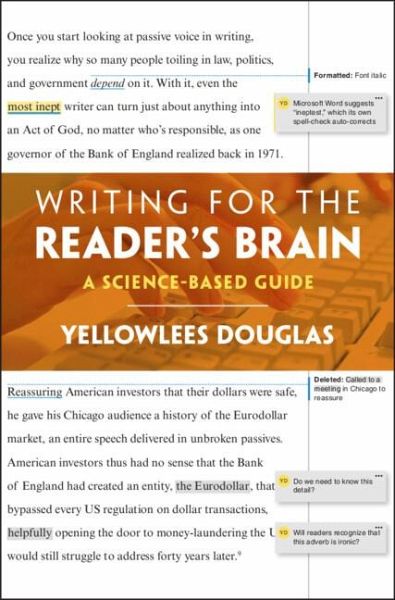
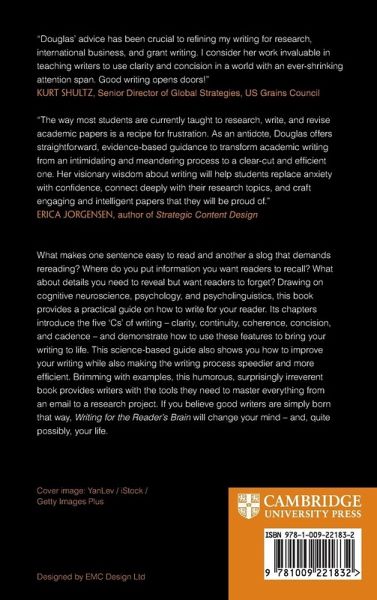
What makes one sentence easy to read and another a slog that demands rereading? Where do you put information you want readers to recall? What about details you need to reveal but want readers to forget? Drawing on cognitive neuroscience, psychology, and psycholinguistics, this book provides a practical guide on how to write for your reader. Its chapters introduce the five 'Cs' of writing - clarity, continuity, coherence, concision, and cadence - and demonstrate how to use these features to bring your writing to life. This science-based guide also shows you how to improve your writing while also making the writing process speedier and more efficient. Brimming with examples, this humorous, surprisingly irreverent book provides writers with the tools they need to master everything from an email to a research project. If you believe good writers are simply born that way, Writing for the Reader's Brain will change your mind - and, quite possibly, your life.