
Andere Kunden interessierten sich auch für
 Cilfái35,99 €
 Cymru Fydd, Gymru Rydd, Or the National Movement in Wales27,99 €
 Social Religion: Exemplified in an Account of the First Settlement of Christianity in the City of Caerludd34,99 €
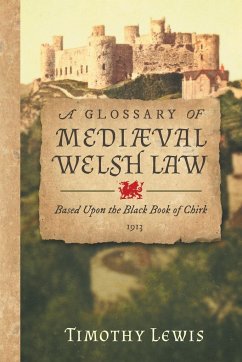
 A Glossary of Mediæval Welsh Law22,99 €
 Collections Historical & Archaeological Relating To Montgomeryshire And Its Borders; Volume 3231,99 €
 A Short History of Wales29,99 €
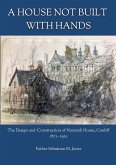
 A House Not Built With Hands33,99 €
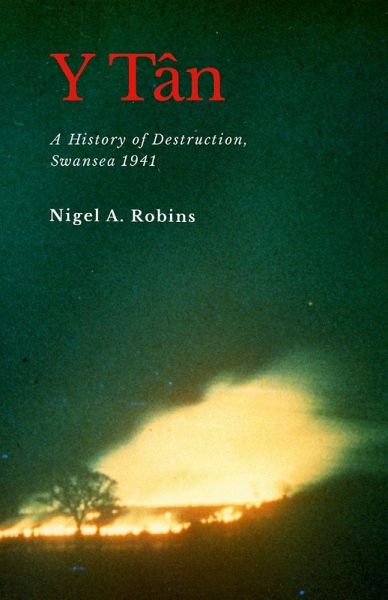
In World War Two, Swansea was regularly attacked by the German Air Force. The worst attacks were over three nights in February 1941. The bombs and fires transformed the centre of the town, and the author's grandfather was killed as a volunteer firefighter. This book explores the events of the three nights, the loss of the author's grandfather, how the fire was used to destroy the town and the consequences of the raids for the future of Swansea. Swansea Blitz was an early example of a firestorm and became a template for attacks on many European towns and cities in 1942 and 1943. The author reconstructs the events of the three nights and includes eyewitness descriptions from some of the people who worked to save lives and property. The book also includes an analysis of the loss of the Ben Evans department store and the detailed history of the land we call Castle Gardens. With technical details of the bombs and explosives that were used to attack the town and the history of the bomb disposal teams that worked to save Swansea. Based on meticulous research this fully referenced book examines the vulnerability of the town to air attacks, the technical background of the incendiary bombs, the events of the three nights of terror, the ecology of the devastated town centre and the aftermath of rebuilding.