
Andere Kunden interessierten sich auch für
 Preston in the 1960s17,99 €
 Leicester in the 1960s17,99 €
 The Last One's Gone: Lost Railway Locations of the 1960s19,99 €
 The Port of Liverpool in the 1960s and 1970s19,99 €
 Railways of Wales in the 1960s19,99 €
 London Docks in the 1960s15,99 €
 Thames Shipping in the 1960s and 1970s17,99 €
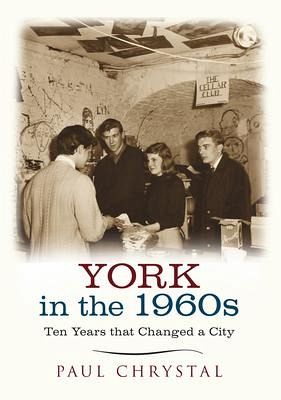
This is the second volume in a unique and exciting series on the history of York. York in the 1960s provides an account of York life during a definitive decade. Ten years in which the city emerged from the greyness of the largely derelict 1950s into a technicolour world of personal freedom and growing disposable incomes, allowing some to spend that money on newly available labour-saving devices, televisions, cars and holidays. Crucial to York in the 1960s was the ground-breaking Esher Report and the long-overdue University of York. Esher shaped today's city; the university's contribution to the city's social, cultural, educational and scientific fabric was, and remains, inestimable. York in the 1960s will please and satisfy curiosity whether you grew up here then, whether you have left and want to rekindle your childhood and teenage memories, or whether you are a child of the twenty-first century curious to know what was going on in that exuberant decade.