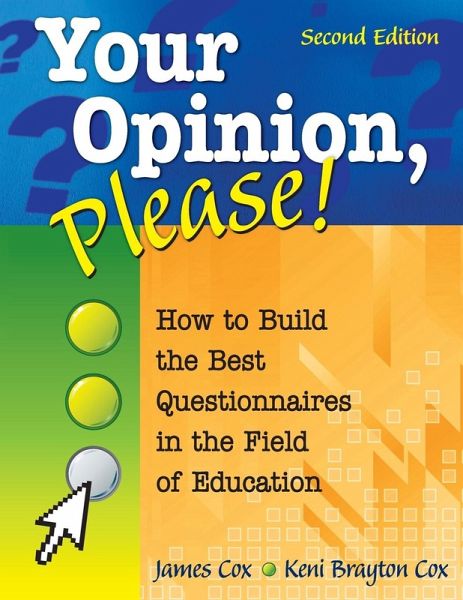
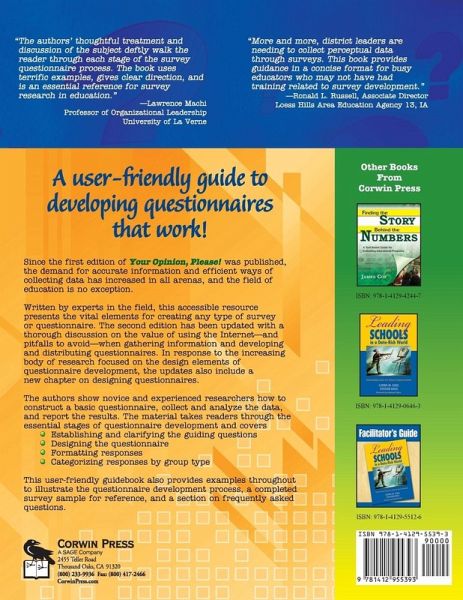
The authors discuss research-based questionnaire design and offer guidelines for establishing guiding questions, formatting replies, categorizing responses, and using the Internet effectively for gathering information.
The authors discuss research-based questionnaire design and offer guidelines for establishing guiding questions, formatting replies, categorizing responses, and using the Internet effectively for gathering information.
James Cox is an acclaimed author, playwright and actor. His solo show, Love, Madness, and Somewhere in Between was praised by critics and audiences alike at the 2019 Hollywood Fringe Festival while his debut novel, Silver or Lead, a psychological thriller, published in April 2022 is receiving rave reviews. Roppongi is his second novel will be published by Black Rose Writing in early 2023.James witnessed a terrorist attack in Tokyo, Japan while serving in the U.S.Navy and brings real authenticity to this novel of love and redemption set against a background of global terrorism in 1990s Japan. James currently resides in Phuket, Thailand where he is researching his next novel.
Inhaltsangabe
Acknowledgments About the Authors Introduction Part I Stages of Questionnaire Development Stage 1: Establishing the Guiding Questions Stage 2: Operationalizing the Guiding Questions: Creating Specificity Stage 3: Writing Items and Formatting Responses Stage 4: Designing the Questionnaire Stage 5: Writing Directions Stage 6: Who Said What? Categorizing Respondents Stage 7: Conducting the Alignment Check Stage 8: Instrument Validity and Reliability Stage 9: Marketing the Questionnaire: Ensuring Response Part II Getting From Here to There Stage 10: The Process of Data Analysis Stage 11: Communicating Your Results Effectively Stage 12: To Web or Not to Web Stage 13: Since You Asked ... Resource A: Evaluating the Questionnaire: A Self-Assessment Resource B: Sample Introductions Resource C: Sample Directions and Formats Resource D: Critiquing a Questionnaire: Finding Flaws Resource E: Modeling the Product: Stages 1 Through 6 References Index
Acknowledgments About the Authors Introduction Part I Stages of Questionnaire Development Stage 1: Establishing the Guiding Questions Stage 2: Operationalizing the Guiding Questions: Creating Specificity Stage 3: Writing Items and Formatting Responses Stage 4: Designing the Questionnaire Stage 5: Writing Directions Stage 6: Who Said What? Categorizing Respondents Stage 7: Conducting the Alignment Check Stage 8: Instrument Validity and Reliability Stage 9: Marketing the Questionnaire: Ensuring Response Part II Getting From Here to There Stage 10: The Process of Data Analysis Stage 11: Communicating Your Results Effectively Stage 12: To Web or Not to Web Stage 13: Since You Asked ... Resource A: Evaluating the Questionnaire: A Self-Assessment Resource B: Sample Introductions Resource C: Sample Directions and Formats Resource D: Critiquing a Questionnaire: Finding Flaws Resource E: Modeling the Product: Stages 1 Through 6 References Index
Es gelten unsere Allgemeinen Geschäftsbedingungen: www.buecher.de/agb
Impressum
www.buecher.de ist ein Internetauftritt der buecher.de internetstores GmbH
Geschäftsführung: Monica Sawhney | Roland Kölbl | Günter Hilger
Sitz der Gesellschaft: Batheyer Straße 115 - 117, 58099 Hagen
Postanschrift: Bürgermeister-Wegele-Str. 12, 86167 Augsburg
Amtsgericht Hagen HRB 13257
Steuernummer: 321/5800/1497
USt-IdNr: DE450055826