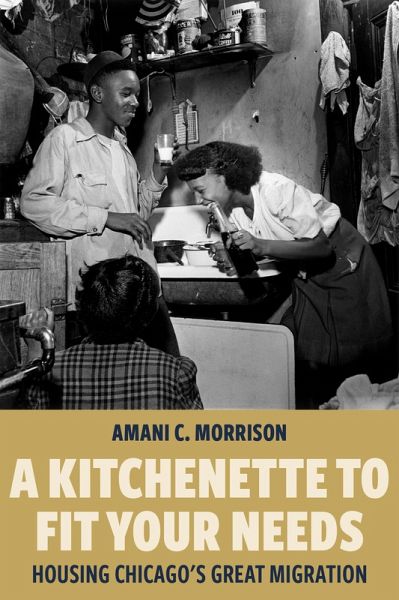
22,95 €
22,95 €
inkl. MwSt.
Erscheint vor. 16.06.26

11 °P sammeln
22,95 €
Als Download kaufen
22,95 €
inkl. MwSt.
Erscheint vor. 16.06.26
11 °P sammeln
Jetzt verschenken
Alle Infos zum eBook verschenken
22,95 €
inkl. MwSt.
Erscheint vor. 16.06.26
Alle Infos zum eBook verschenken
11 °P sammeln

Andere Kunden interessierten sich auch für
") From Vice to Nice (eBook, ePUB)18,95 €
From Vice to Nice (eBook, ePUB)18,95 €") The World Is Always Coming to an End (eBook, ePUB)19,25 €
The World Is Always Coming to an End (eBook, ePUB)19,25 €") The Pig and the Skyscraper (eBook, ePUB)18,95 €
The Pig and the Skyscraper (eBook, ePUB)18,95 €") Walking Chicago's Coast (eBook, ePUB)10,95 €
Walking Chicago's Coast (eBook, ePUB)10,95 €") City of Champions (eBook, ePUB)16,95 €
City of Champions (eBook, ePUB)16,95 €") Detroit City Is the Place to Be (eBook, ePUB)5,99 €
Detroit City Is the Place to Be (eBook, ePUB)5,99 €") Hopelessly Alien (eBook, ePUB)25,95 €
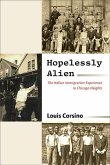
Hopelessly Alien (eBook, ePUB)25,95 €






Uncovers how Chicago's kitchenette apartments shaped housing, race, and urban life in the twentieth century.
During the twentieth century's Great Migration, kitchenette apartments served as the primary homes for Black migrants to Chicago. These small one- and two-room units were often illegally converted from larger apartments and were concentrated on the city's densely populated, segregated South Side. Typically featuring a communal hallway bathroom, a cooktop tucked into a closet, chronic overcrowding, and exploitative rents, kitchenettes gained widespread fame and notoriety in news reports, housing code campaigns, and the works of celebrated Black artists including Gwendolyn Brooks, Lorraine Hansberry, and Richard Wright. They also preceded and paved the way for Chicago's notorious public housing projects.
A Kitchenette to Fit Your Needs offers the first book-length cultural analysis of the kitchenette within Chicago's history of housing, race, and urban life. Both materially and symbolically significant, the kitchenette existed at the nexus of the Great Migration and the Great Depression, of housing precarity and domestic innovation, of racial capitalism and racial uplift. Drawing on a rich archive of sources-from housing court records and documentary photographs to literature, journalism, and visual art-Amani Morrison reveals how Bronzeville's kitchenettes served residents, landlords, artists, and institutions, accommodating overlapping but often divergent needs.
Through her theory of "Black spatial affordances," Morrison illuminates how Black Chicagoans transformed constraint into creativity. Blending history, architecture, and cultural analysis, A Kitchenette to Fit Your Needs recasts the kitchenette as central to Chicago's urban modernity and to the making of Black everyday life.
During the twentieth century's Great Migration, kitchenette apartments served as the primary homes for Black migrants to Chicago. These small one- and two-room units were often illegally converted from larger apartments and were concentrated on the city's densely populated, segregated South Side. Typically featuring a communal hallway bathroom, a cooktop tucked into a closet, chronic overcrowding, and exploitative rents, kitchenettes gained widespread fame and notoriety in news reports, housing code campaigns, and the works of celebrated Black artists including Gwendolyn Brooks, Lorraine Hansberry, and Richard Wright. They also preceded and paved the way for Chicago's notorious public housing projects.
A Kitchenette to Fit Your Needs offers the first book-length cultural analysis of the kitchenette within Chicago's history of housing, race, and urban life. Both materially and symbolically significant, the kitchenette existed at the nexus of the Great Migration and the Great Depression, of housing precarity and domestic innovation, of racial capitalism and racial uplift. Drawing on a rich archive of sources-from housing court records and documentary photographs to literature, journalism, and visual art-Amani Morrison reveals how Bronzeville's kitchenettes served residents, landlords, artists, and institutions, accommodating overlapping but often divergent needs.
Through her theory of "Black spatial affordances," Morrison illuminates how Black Chicagoans transformed constraint into creativity. Blending history, architecture, and cultural analysis, A Kitchenette to Fit Your Needs recasts the kitchenette as central to Chicago's urban modernity and to the making of Black everyday life.
Dieser Download kann aus rechtlichen Gründen nur mit Rechnungsadresse in A, D ausgeliefert werden.