0,49 €
0,49 €
inkl. MwSt.
Sofort per Download lieferbar

0 °P sammeln
0,49 €
Als Download kaufen
0,49 €
inkl. MwSt.
Sofort per Download lieferbar
0 °P sammeln
Jetzt verschenken
Alle Infos zum eBook verschenken
0,49 €
inkl. MwSt.
Sofort per Download lieferbar
Alle Infos zum eBook verschenken
0 °P sammeln

Andere Kunden interessierten sich auch für
") A Modern Cinderella; Or, The Little Old Shoe, and Other Stories (eBook, ePUB)0,49 €
A Modern Cinderella; Or, The Little Old Shoe, and Other Stories (eBook, ePUB)0,49 €") The Adventures of Sindbad (eBook, ePUB)9,95 €
The Adventures of Sindbad (eBook, ePUB)9,95 €") Winter Evening Tales (eBook, ePUB)2,49 €
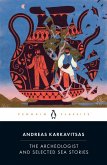
Winter Evening Tales (eBook, ePUB)2,49 €") The Archeologist and Selected Sea Stories (eBook, ePUB)3,99 €
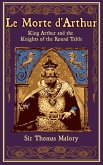
The Archeologist and Selected Sea Stories (eBook, ePUB)3,99 €") Le Morte d'Arthur (eBook, ePUB)7,90 €
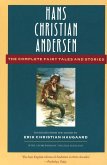
Le Morte d'Arthur (eBook, ePUB)7,90 €") The Complete Fairy Tales and Stories (eBook, ePUB)10,95 €
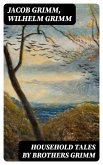
The Complete Fairy Tales and Stories (eBook, ePUB)10,95 €") Household Tales by Brothers Grimm (eBook, ePUB)0,49 €
Household Tales by Brothers Grimm (eBook, ePUB)0,49 €
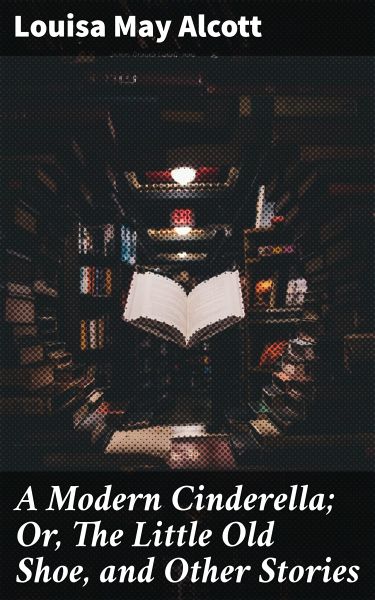
In "A Modern Cinderella; Or, The Little Old Shoe, and Other Stories," Louisa May Alcott weaves a collection of enchanting tales that reflect her signature blend of realism and romanticism. The stories, imbued with moral lessons and feminist sensibilities, explore themes of gender, social class, and personal growth. Alcott's engaging narrative style captivates readers through vivid characterization and practical wisdom, while also serving as a critique of the societal norms of her time. Each story, particularly the titular "A Modern Cinderella," reimagines classic fairy tales, offering a fresh perspective that emphasizes inner strength and self-determination over reliance on traditional romantic ideals. Louisa May Alcott (1832-1888) was an influential American author, best known for her groundbreaking work "Little Women." Growing up in a progressive household that championed abolitionism and women's rights, Alcott's literary endeavors often reflected her experiences and beliefs. Her personal struggles with economic hardship and societal expectations deeply informed her storytelling, pushing her to advocate for female independence and agency through her characters. This delightful collection is highly recommended for readers seeking not only entertainment but also a deeper understanding of early feminist literature. Alcott's clever subversion of fairy-tale tropes invites readers to reconsider their own expectations and aspirations, making it a compelling read for both young adults and discerning scholars alike. In this enriched edition, we have carefully created added value for your reading experience: - A comprehensive Introduction outlines these selected works' unifying features, themes, or stylistic evolutions. - The Author Biography highlights personal milestones and literary influences that shape the entire body of writing. - A Historical Context section situates the works in their broader era-social currents, cultural trends, and key events that underpin their creation. - A concise Synopsis (Selection) offers an accessible overview of the included texts, helping readers navigate plotlines and main ideas without revealing critical twists. - A unified Analysis examines recurring motifs and stylistic hallmarks across the collection, tying the stories together while spotlighting the different work's strengths. - Reflection questions inspire deeper contemplation of the author's overarching message, inviting readers to draw connections among different texts and relate them to modern contexts. - Lastly, our hand-picked Memorable Quotes distill pivotal lines and turning points, serving as touchstones for the collection's central themes.
Dieser Download kann aus rechtlichen Gründen nur mit Rechnungsadresse in A, B, BG, CY, CZ, D, DK, EW, E, FIN, F, GR, H, IRL, I, LT, L, LR, M, NL, PL, P, R, S, SLO, SK ausgeliefert werden.