31,95 €
31,95 €
inkl. MwSt.
Sofort per Download lieferbar

16 °P sammeln
31,95 €
Als Download kaufen
31,95 €
inkl. MwSt.
Sofort per Download lieferbar
16 °P sammeln
Jetzt verschenken
Alle Infos zum eBook verschenken
31,95 €
inkl. MwSt.
Sofort per Download lieferbar
Alle Infos zum eBook verschenken
16 °P sammeln

Andere Kunden interessierten sich auch für
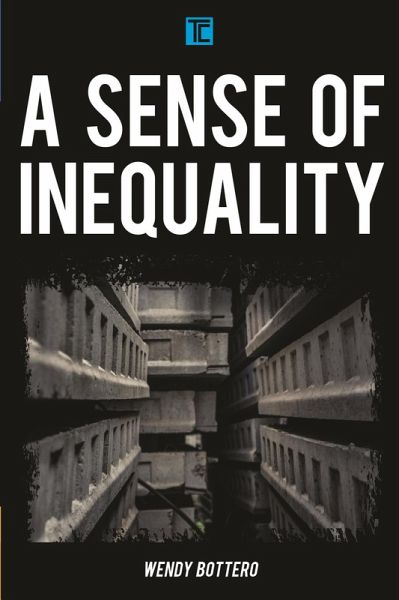
") A Sense of Inequality (eBook, PDF)31,95 €
A Sense of Inequality (eBook, PDF)31,95 €") An Ethnography of Gun Violence Prevention Activists (eBook, ePUB)64,95 €
An Ethnography of Gun Violence Prevention Activists (eBook, ePUB)64,95 €") How to Care More (eBook, ePUB)21,95 €
How to Care More (eBook, ePUB)21,95 €") Regarding Tilly (eBook, ePUB)30,95 €
Regarding Tilly (eBook, ePUB)30,95 €") Human Killing Machines (eBook, ePUB)36,95 €
Human Killing Machines (eBook, ePUB)36,95 €") Non-Violence (eBook, ePUB)36,95 €
Non-Violence (eBook, ePUB)36,95 €") Bleeding Hearts (eBook, ePUB)24,95 €
Bleeding Hearts (eBook, ePUB)24,95 €






We have a detailed picture of how inequality impacts people's lives, but a much weaker sense of how people perceive, interpret and understand issues of inequality. What shapes people's everyday understandings of inequality? How are understandings of inequality located in everyday concerns, moral values and principles of justice? This book considers what provokes everyday 'views' or framings of inequality. It examines how different approaches can help us understand this process, drawing on a range of literatures, including social attitudes and perceptions research, class identities and neoliberalism, theories of the psychosocial, affect and the abject, social constructionism, social movements research, and pragmatism. The book examines how troubling social situations come to be regarded as inequalities, explores how they come to be understood as 'class', 'gender', 'racial' or other kinds of inequality, and considers how such inequalities come to be seen as susceptible to intervention and change.