
0,49 €
inkl. MwSt.
Sofort per Download lieferbar
0 °P sammeln

Andere Kunden interessierten sich auch für
") A Midsummer Drive Through the Pyrenees (eBook, ePUB)0,49 €
A Midsummer Drive Through the Pyrenees (eBook, ePUB)0,49 €") A Midsummer Drive Through the Pyrenees (eBook, ePUB)0,49 €
A Midsummer Drive Through the Pyrenees (eBook, ePUB)0,49 €") The West from a car window (eBook, ePUB)1,99 €
The West from a car window (eBook, ePUB)1,99 €") East of Paris: Sketches in the Gâtinais, Bourbonnais, and Champagne (eBook, ePUB)0,49 €
East of Paris: Sketches in the Gâtinais, Bourbonnais, and Champagne (eBook, ePUB)0,49 €") My Twenty-Five Years in Provence (eBook, ePUB)8,95 €
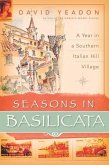
My Twenty-Five Years in Provence (eBook, ePUB)8,95 €") Seasons in Basilicata (eBook, ePUB)8,99 €
Seasons in Basilicata (eBook, ePUB)8,99 €") Nooks & Corners of Old Paris (eBook, ePUB)0,49 €
Nooks & Corners of Old Paris (eBook, ePUB)0,49 €






In "About Paris," Richard Harding Davis employs a vibrant and engaging literary style that encapsulates the essence and allure of the French capital in the early 20th century. Davis'Äôs keen observational skills allow him to weave rich, descriptive narratives that bring the city's sights, sounds, and culture to life. The book serves as both a travelogue and a social commentary, as it explores the intricacies of Parisian life against the backdrop of historical events and changes, making it a unique reflection of the period's literary context, characterized by realism and a burgeoning fascination with modernity. Richard Harding Davis, an esteemed American journalist and author, was deeply influenced by his experiences abroad and the vibrant life of Paris, which resonated with his artistic sensibilities. Trained in both journalism and literature, Davis'Äôs writing often reveals a sharp wit and an incisive perspective on society, attributes honed through his extensive travels and varied encounters with influential figures of his time. His passion for storytelling, particularly about the world outside America, fuels the engaging tone of "About Paris." This book is highly recommended for readers interested in the cultural and social dynamics of early 20th-century Paris, as well as those who appreciate the melding of narrative and commentary found in travel literature. Davis's insightful reflections and picturesque prose make it an essential read for anyone seeking to understand the charm and complexity of this iconic city.
Dieser Download kann aus rechtlichen Gründen nur mit Rechnungsadresse in A, B, BG, CY, CZ, D, DK, EW, FIN, F, GR, H, IRL, I, LT, L, LR, M, NL, PL, P, R, S, SLO, SK ausgeliefert werden.