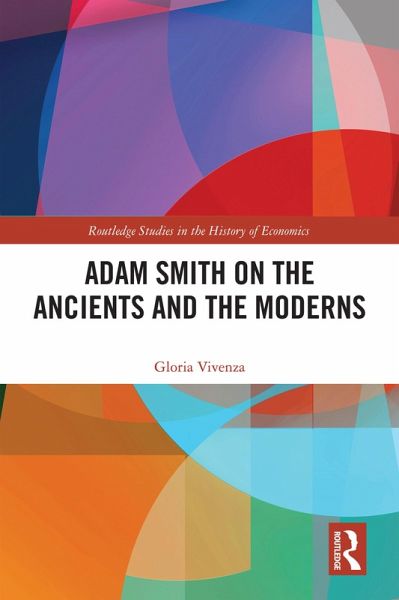
Gloria Vivenza
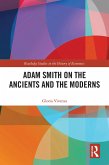
Adam Smith on the Ancients and the Moderns (eBook, PDF)
42,95 €
42,95 €
inkl. MwSt.
Sofort per Download lieferbar

21 °P sammeln
42,95 €
Als Download kaufen
42,95 €
inkl. MwSt.
Sofort per Download lieferbar
21 °P sammeln
Jetzt verschenken
Alle Infos zum eBook verschenken
42,95 €
inkl. MwSt.
Sofort per Download lieferbar
Alle Infos zum eBook verschenken
21 °P sammeln

Gloria Vivenza
Adam Smith on the Ancients and the Moderns (eBook, PDF)
- Format: PDF
- Merkliste
- Auf die Merkliste
- Bewerten Bewerten
- Teilen
- Produkt teilen
- Produkterinnerung
- Produkterinnerung

Bitte loggen Sie sich zunächst in Ihr Kundenkonto ein oder registrieren Sie sich bei
bücher.de, um das eBook-Abo tolino select nutzen zu können.
Hier können Sie sich einloggen
Sie sind bereits eingeloggt. Klicken Sie auf 2. tolino select Abo, um fortzufahren.

Bitte loggen Sie sich zunächst in Ihr Kundenkonto ein oder registrieren Sie sich bei bücher.de, um das eBook-Abo tolino select nutzen zu können.
The classics heavily influenced many aspects of European modern culture, yet it is not easy to trace their intellectual power on any author. In this volume, Gloria Vivenza takes on the impressive task of examining how philosophy, history, literature, politics, and ethics all played a part in shaping Adam Smith's thought as a scholar, philosopher, and economist.
This book will be of interest to advanced students and researchers in the history of economic thought, the history of philosophy, moral philosophy, political theory, and the Enlightenment.
- Geräte: PC
- mit Kopierschutz
- eBook Hilfe
Andere Kunden interessierten sich auch für
Gloria VivenzaAdam Smith on the Ancients and the Moderns (eBook, ePUB)42,95 €
Adam Smith and The Wealth of Nations in Spain (eBook, PDF)41,95 €
Theology, Morality and Adam Smith (eBook, PDF)41,95 €
The Adam Smith Review (eBook, PDF)39,95 €
The Adam Smith Review (eBook, PDF)42,95 €
Laurent DobuzinskisMoral Discourse in the History of Economic Thought (eBook, PDF)41,95 €
The Adam Smith Review (eBook, PDF)43,95 €-
-
-
The classics heavily influenced many aspects of European modern culture, yet it is not easy to trace their intellectual power on any author. In this volume, Gloria Vivenza takes on the impressive task of examining how philosophy, history, literature, politics, and ethics all played a part in shaping Adam Smith's thought as a scholar, philosopher, and economist.
This book will be of interest to advanced students and researchers in the history of economic thought, the history of philosophy, moral philosophy, political theory, and the Enlightenment.
Dieser Download kann aus rechtlichen Gründen nur mit Rechnungsadresse in A, B, BG, CY, CZ, D, DK, EW, E, FIN, F, GR, HR, H, IRL, I, LT, L, LR, M, NL, PL, P, R, S, SLO, SK ausgeliefert werden.
Produktdetails
- Produktdetails
- Verlag: Taylor & Francis eBooks
- Seitenzahl: 218
- Erscheinungstermin: 29. März 2024
- Englisch
- ISBN-13: 9781351107723
- Artikelnr.: 70128180
- Verlag: Taylor & Francis eBooks
- Seitenzahl: 218
- Erscheinungstermin: 29. März 2024
- Englisch
- ISBN-13: 9781351107723
- Artikelnr.: 70128180
- Herstellerkennzeichnung Die Herstellerinformationen sind derzeit nicht verfügbar.
Gloria Vivenza studied at the Faculty of Letters in the University of Padua, and then she began her academic career as Professor of Economic History at the University of Catania and History of Economic Thought at the University of Verona. She is a life member of the Clare Hall College at the University of Cambridge, UK. She analysed the relevance of the classical training in Adam Smith's works in her book Adam Smith and the classics and several essays on the same subject.
Chap. 1: Reading the classics
1.1 The classics in the Baroque age
1.2 Classical studies and modern thinking: Adam Smith's synthesis
1.3 Aristocratic virtues and commercial ethics
1.4 The relationship between benevolentia and fides
1.5 Paganism, religion, and conscience in Adam Smith's writings
References
Chap. 2: Between history and philosophy
2.1 On ancient demography
2.2 On historical writing
2.3 On the interpretation of ancient history
2.4 "Otherness" and classical citizenship
2.5 Smith's history of ancient philosophy
References
Chap. 3: Philosophy and politics
3.1 Cato, the republican ideal, and the difficult relationship of philosophers with politics
3.2 Ancient Romans through modern eyes
3.3 Ancient and modern freedom
3.4 Adam Smith and democracy
3.5 Labour and political activity: classical and modern themes in Adam Smith
References
Chap. 4: Benevolence and other virtues
4.1 Adam Smith and classical philosophies
4.2 Virtue and self-control: apathy or medietas?
4.3 Classical origins of benevolence in economics' language (from classical evergesia to the butcher's and baker's lack of benevolence)
4.4 Closing remarks
References
1.1 The classics in the Baroque age
1.2 Classical studies and modern thinking: Adam Smith's synthesis
1.3 Aristocratic virtues and commercial ethics
1.4 The relationship between benevolentia and fides
1.5 Paganism, religion, and conscience in Adam Smith's writings
References
Chap. 2: Between history and philosophy
2.1 On ancient demography
2.2 On historical writing
2.3 On the interpretation of ancient history
2.4 "Otherness" and classical citizenship
2.5 Smith's history of ancient philosophy
References
Chap. 3: Philosophy and politics
3.1 Cato, the republican ideal, and the difficult relationship of philosophers with politics
3.2 Ancient Romans through modern eyes
3.3 Ancient and modern freedom
3.4 Adam Smith and democracy
3.5 Labour and political activity: classical and modern themes in Adam Smith
References
Chap. 4: Benevolence and other virtues
4.1 Adam Smith and classical philosophies
4.2 Virtue and self-control: apathy or medietas?
4.3 Classical origins of benevolence in economics' language (from classical evergesia to the butcher's and baker's lack of benevolence)
4.4 Closing remarks
References
Chap. 1: Reading the classics
1.1 The classics in the Baroque age
1.2 Classical studies and modern thinking: Adam Smith's synthesis
1.3 Aristocratic virtues and commercial ethics
1.4 The relationship between benevolentia and fides
1.5 Paganism, religion, and conscience in Adam Smith's writings
References
Chap. 2: Between history and philosophy
2.1 On ancient demography
2.2 On historical writing
2.3 On the interpretation of ancient history
2.4 "Otherness" and classical citizenship
2.5 Smith's history of ancient philosophy
References
Chap. 3: Philosophy and politics
3.1 Cato, the republican ideal, and the difficult relationship of
philosophers with politics
3.2 Ancient Romans through modern eyes
3.3 Ancient and modern freedom
3.4 Adam Smith and democracy
3.5 Labour and political activity: classical and modern themes in Adam
Smith
References
Chap. 4: Benevolence and other virtues
4.1 Adam Smith and classical philosophies
4.2 Virtue and self-control: apathy or medietas?
4.3 Classical origins of benevolence in economics' language (from classical
evergesia to the butcher's and baker's lack of benevolence)
4.4 Closing remarks
References
1.1 The classics in the Baroque age
1.2 Classical studies and modern thinking: Adam Smith's synthesis
1.3 Aristocratic virtues and commercial ethics
1.4 The relationship between benevolentia and fides
1.5 Paganism, religion, and conscience in Adam Smith's writings
References
Chap. 2: Between history and philosophy
2.1 On ancient demography
2.2 On historical writing
2.3 On the interpretation of ancient history
2.4 "Otherness" and classical citizenship
2.5 Smith's history of ancient philosophy
References
Chap. 3: Philosophy and politics
3.1 Cato, the republican ideal, and the difficult relationship of
philosophers with politics
3.2 Ancient Romans through modern eyes
3.3 Ancient and modern freedom
3.4 Adam Smith and democracy
3.5 Labour and political activity: classical and modern themes in Adam
Smith
References
Chap. 4: Benevolence and other virtues
4.1 Adam Smith and classical philosophies
4.2 Virtue and self-control: apathy or medietas?
4.3 Classical origins of benevolence in economics' language (from classical
evergesia to the butcher's and baker's lack of benevolence)
4.4 Closing remarks
References
Chap. 1: Reading the classics
1.1 The classics in the Baroque age
1.2 Classical studies and modern thinking: Adam Smith's synthesis
1.3 Aristocratic virtues and commercial ethics
1.4 The relationship between benevolentia and fides
1.5 Paganism, religion, and conscience in Adam Smith's writings
References
Chap. 2: Between history and philosophy
2.1 On ancient demography
2.2 On historical writing
2.3 On the interpretation of ancient history
2.4 "Otherness" and classical citizenship
2.5 Smith's history of ancient philosophy
References
Chap. 3: Philosophy and politics
3.1 Cato, the republican ideal, and the difficult relationship of philosophers with politics
3.2 Ancient Romans through modern eyes
3.3 Ancient and modern freedom
3.4 Adam Smith and democracy
3.5 Labour and political activity: classical and modern themes in Adam Smith
References
Chap. 4: Benevolence and other virtues
4.1 Adam Smith and classical philosophies
4.2 Virtue and self-control: apathy or medietas?
4.3 Classical origins of benevolence in economics' language (from classical evergesia to the butcher's and baker's lack of benevolence)
4.4 Closing remarks
References
1.1 The classics in the Baroque age
1.2 Classical studies and modern thinking: Adam Smith's synthesis
1.3 Aristocratic virtues and commercial ethics
1.4 The relationship between benevolentia and fides
1.5 Paganism, religion, and conscience in Adam Smith's writings
References
Chap. 2: Between history and philosophy
2.1 On ancient demography
2.2 On historical writing
2.3 On the interpretation of ancient history
2.4 "Otherness" and classical citizenship
2.5 Smith's history of ancient philosophy
References
Chap. 3: Philosophy and politics
3.1 Cato, the republican ideal, and the difficult relationship of philosophers with politics
3.2 Ancient Romans through modern eyes
3.3 Ancient and modern freedom
3.4 Adam Smith and democracy
3.5 Labour and political activity: classical and modern themes in Adam Smith
References
Chap. 4: Benevolence and other virtues
4.1 Adam Smith and classical philosophies
4.2 Virtue and self-control: apathy or medietas?
4.3 Classical origins of benevolence in economics' language (from classical evergesia to the butcher's and baker's lack of benevolence)
4.4 Closing remarks
References
Chap. 1: Reading the classics
1.1 The classics in the Baroque age
1.2 Classical studies and modern thinking: Adam Smith's synthesis
1.3 Aristocratic virtues and commercial ethics
1.4 The relationship between benevolentia and fides
1.5 Paganism, religion, and conscience in Adam Smith's writings
References
Chap. 2: Between history and philosophy
2.1 On ancient demography
2.2 On historical writing
2.3 On the interpretation of ancient history
2.4 "Otherness" and classical citizenship
2.5 Smith's history of ancient philosophy
References
Chap. 3: Philosophy and politics
3.1 Cato, the republican ideal, and the difficult relationship of
philosophers with politics
3.2 Ancient Romans through modern eyes
3.3 Ancient and modern freedom
3.4 Adam Smith and democracy
3.5 Labour and political activity: classical and modern themes in Adam
Smith
References
Chap. 4: Benevolence and other virtues
4.1 Adam Smith and classical philosophies
4.2 Virtue and self-control: apathy or medietas?
4.3 Classical origins of benevolence in economics' language (from classical
evergesia to the butcher's and baker's lack of benevolence)
4.4 Closing remarks
References
1.1 The classics in the Baroque age
1.2 Classical studies and modern thinking: Adam Smith's synthesis
1.3 Aristocratic virtues and commercial ethics
1.4 The relationship between benevolentia and fides
1.5 Paganism, religion, and conscience in Adam Smith's writings
References
Chap. 2: Between history and philosophy
2.1 On ancient demography
2.2 On historical writing
2.3 On the interpretation of ancient history
2.4 "Otherness" and classical citizenship
2.5 Smith's history of ancient philosophy
References
Chap. 3: Philosophy and politics
3.1 Cato, the republican ideal, and the difficult relationship of
philosophers with politics
3.2 Ancient Romans through modern eyes
3.3 Ancient and modern freedom
3.4 Adam Smith and democracy
3.5 Labour and political activity: classical and modern themes in Adam
Smith
References
Chap. 4: Benevolence and other virtues
4.1 Adam Smith and classical philosophies
4.2 Virtue and self-control: apathy or medietas?
4.3 Classical origins of benevolence in economics' language (from classical
evergesia to the butcher's and baker's lack of benevolence)
4.4 Closing remarks
References