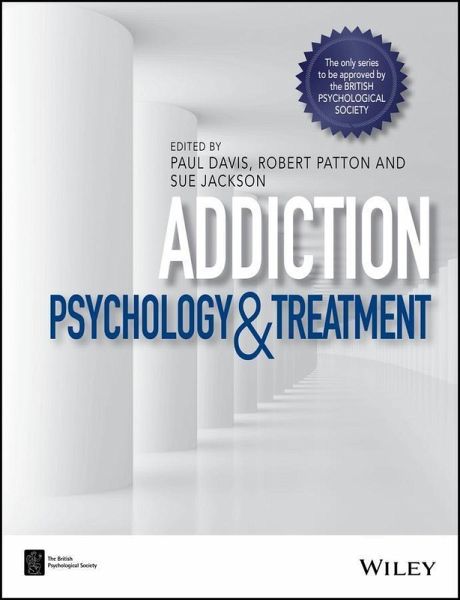
Addiction (eBook, ePUB)
Psychology and Treatment
Redaktion: Davis, Paul; Jackson, Sue; Patton, Robert
40,99 €
40,99 €
inkl. MwSt.
Sofort per Download lieferbar
0 °P sammeln
40,99 €
Als Download kaufen
40,99 €
inkl. MwSt.
Sofort per Download lieferbar
0 °P sammeln
Jetzt verschenken
Alle Infos zum eBook verschenken
40,99 €
inkl. MwSt.
Sofort per Download lieferbar
Alle Infos zum eBook verschenken
0 °P sammeln
Addiction (eBook, ePUB)
Psychology and Treatment
Redaktion: Davis, Paul; Jackson, Sue; Patton, Robert
- Format: ePub
- Merkliste
- Auf die Merkliste
- Bewerten Bewerten
- Teilen
- Produkt teilen
- Produkterinnerung
- Produkterinnerung

Bitte loggen Sie sich zunächst in Ihr Kundenkonto ein oder registrieren Sie sich bei
bücher.de, um das eBook-Abo tolino select nutzen zu können.
Hier können Sie sich einloggen
Sie sind bereits eingeloggt. Klicken Sie auf 2. tolino select Abo, um fortzufahren.

Bitte loggen Sie sich zunächst in Ihr Kundenkonto ein oder registrieren Sie sich bei bücher.de, um das eBook-Abo tolino select nutzen zu können.
Addiction: Psychology and Treatment brings together leading psychologists to provide a comprehensive overview of the psychology of addictions and their treatment across specialities and types of services. * Emphasises the use of several approaches including CBT, psychodynamic and systemic and family treatments, and consideration of the wider picture of addictions * As well as the theories, gives a clear overview of the application of these models * Reflects the very latest developments in the role played by psychological perspectives and interventions in the recovery agenda for problem drug and alcohol users…mehr
- Geräte: eReader
- mit Kopierschutz
- eBook Hilfe
- Größe: 0.71MB
Andere Kunden interessierten sich auch für
Megan Johnson Mccullough EdDPACE Yourself (eBook, ePUB)79,95 €
Karl BenzioTransformed by His Promises (eBook, ePUB)7,99 €
The Sage Handbook of Addiction Psychology (eBook, ePUB)82,95 €
A. Jordan WrightConducting Psychological Assessment (eBook, ePUB)61,99 €
Stephen JosephPositive Psychology in Practice (eBook, ePUB)80,99 €
Tammie RonenThe Positive Power of Imagery (eBook, ePUB)38,99 €
Kim MetzCareers in Mental Health (eBook, ePUB)30,99 €-
-
-
Addiction: Psychology and Treatment brings together leading psychologists to provide a comprehensive overview of the psychology of addictions and their treatment across specialities and types of services. * Emphasises the use of several approaches including CBT, psychodynamic and systemic and family treatments, and consideration of the wider picture of addictions * As well as the theories, gives a clear overview of the application of these models * Reflects the very latest developments in the role played by psychological perspectives and interventions in the recovery agenda for problem drug and alcohol users
Dieser Download kann aus rechtlichen Gründen nur mit Rechnungsadresse in D ausgeliefert werden.
Produktdetails
- Produktdetails
- Verlag: John Wiley & Sons
- Erscheinungstermin: 18. Mai 2017
- Englisch
- ISBN-13: 9781118489734
- Artikelnr.: 52578831
- Verlag: John Wiley & Sons
- Erscheinungstermin: 18. Mai 2017
- Englisch
- ISBN-13: 9781118489734
- Artikelnr.: 52578831
- Herstellerkennzeichnung Die Herstellerinformationen sind derzeit nicht verfügbar.
The General Editor of the Statistics without Mathematics series at Vor Press is a researcher and data analyst with experience in government, business and the third sector, who is also well-known as an internationally published author of books on statistical testing.
List of contributors xi
Foreword xiii
Preface xvii
Notes on Contributors xix
PART 1 Understanding the Psychology and
Treatment of Addictions 1
CHAPTER 1 Addiction: A Comprehensive Approach 3
Jamie Brown and Robert West
1.1 Introduction 4
1.2 Existing theories 5
1.3 The human motivational system 8
1.4 Internal and external sources of influence 11
1.5 The dynamics of the system 12
1.6 The unstable mind and chreods 13
1.7 Testing the theory 15
Suggestions for further reading 16
References 16
CHAPTER 2 An Attachment-Informed Approach to Working with Addiction 20
David B. Curran and Mani Mehdikhani
2.1 Introduction to attachment 21
2.2 Attachment and psychopathology 23
2.3 Attachment and addiction 25
2.4 Attachment styles in clinical samples 28
2.5 Assessment and formulation through an attachment lens 29
2.6 Treatment implications 32
2.7 Conclusion 35
Suggestions for further reading 35
References 36
CHAPTER 3 Families, Friends and Addiction: Impacts, Psychological Models and Interventions 42
Alex Copello and Kathryn Walsh
3.1 Introduction 43
3.2 The composition of alcohol and drug users' social networks 43
3.3 Impacts of addictions on others 44
3.4 Theoretical models of addiction and the family: stress-strain-coping-support 47
3.5 From models to interventions 48
3.6 Conclusion 52
Suggestions for further reading 53
References 54
CHAPTER 4 Working Systemically with Alcohol Misuse 57
Arlene Vetere and Rudi Dallos
4.1 Introduction 58
4.2 Family life 59
4.3 Family systems approaches 60
4.4 Working therapeutically with violence and abuse 64
4.5 Engagement and the therapeutic relationship 65
4.6 Conclusion 66
Suggestions for further reading 66
References 67
CHAPTER 5 Dangerous Desires and Inanimate Attachments': Modern Psychodynamic Approaches to Substance Misuse 68
Martin Weegmann and Edward J. Khantzian
5.1 Introduction 69
5.2 Primitive emotional states: Kleinian views 70
5.3 Comforting self-objects: Kohutian views 72
5.4 Inanimate attachments: Bowlbian views 74
5.5 Bringing it together: addiction as disorder of self-regulation 76
5.6 Reflective practice 78
5.7 Internal recovery 79
5.8 Conclusion 81
Suggestions for further reading 82
References 82
CHAPTER 6 Mindfulness, Acceptance and Values in Substance Misuse Services 84
Liz McGrath and Dominic O'Ryan
6.1 Introduction: what are the principles and methods of mindfulness, acceptance and values? 85
6.2 How does ACT integrate with other approaches? 87
6.3 How does the service use these principles and methods of ACT? 90
6.4 How do mindfulness, acceptance and values support the resilience of staff in the face of seemingly relentless relapse and other behaviours? 92
6.5 What are the experiences of staff working with ACT? 94
6.6 What are the experiences of clients working this way? 96
6.7 Our experience of ACT 97
Suggestions for further reading 98
References 98
PART 2 Clinical Applications of Addiction Psychology 103 CHAPTER 7 The Role of Clinical Psychology within Alcohol Related Brain Damage 105
Fraser Morrison and Jenny Svanberg
7.1 Introduction 1
Foreword xiii
Preface xvii
Notes on Contributors xix
PART 1 Understanding the Psychology and
Treatment of Addictions 1
CHAPTER 1 Addiction: A Comprehensive Approach 3
Jamie Brown and Robert West
1.1 Introduction 4
1.2 Existing theories 5
1.3 The human motivational system 8
1.4 Internal and external sources of influence 11
1.5 The dynamics of the system 12
1.6 The unstable mind and chreods 13
1.7 Testing the theory 15
Suggestions for further reading 16
References 16
CHAPTER 2 An Attachment-Informed Approach to Working with Addiction 20
David B. Curran and Mani Mehdikhani
2.1 Introduction to attachment 21
2.2 Attachment and psychopathology 23
2.3 Attachment and addiction 25
2.4 Attachment styles in clinical samples 28
2.5 Assessment and formulation through an attachment lens 29
2.6 Treatment implications 32
2.7 Conclusion 35
Suggestions for further reading 35
References 36
CHAPTER 3 Families, Friends and Addiction: Impacts, Psychological Models and Interventions 42
Alex Copello and Kathryn Walsh
3.1 Introduction 43
3.2 The composition of alcohol and drug users' social networks 43
3.3 Impacts of addictions on others 44
3.4 Theoretical models of addiction and the family: stress-strain-coping-support 47
3.5 From models to interventions 48
3.6 Conclusion 52
Suggestions for further reading 53
References 54
CHAPTER 4 Working Systemically with Alcohol Misuse 57
Arlene Vetere and Rudi Dallos
4.1 Introduction 58
4.2 Family life 59
4.3 Family systems approaches 60
4.4 Working therapeutically with violence and abuse 64
4.5 Engagement and the therapeutic relationship 65
4.6 Conclusion 66
Suggestions for further reading 66
References 67
CHAPTER 5 Dangerous Desires and Inanimate Attachments': Modern Psychodynamic Approaches to Substance Misuse 68
Martin Weegmann and Edward J. Khantzian
5.1 Introduction 69
5.2 Primitive emotional states: Kleinian views 70
5.3 Comforting self-objects: Kohutian views 72
5.4 Inanimate attachments: Bowlbian views 74
5.5 Bringing it together: addiction as disorder of self-regulation 76
5.6 Reflective practice 78
5.7 Internal recovery 79
5.8 Conclusion 81
Suggestions for further reading 82
References 82
CHAPTER 6 Mindfulness, Acceptance and Values in Substance Misuse Services 84
Liz McGrath and Dominic O'Ryan
6.1 Introduction: what are the principles and methods of mindfulness, acceptance and values? 85
6.2 How does ACT integrate with other approaches? 87
6.3 How does the service use these principles and methods of ACT? 90
6.4 How do mindfulness, acceptance and values support the resilience of staff in the face of seemingly relentless relapse and other behaviours? 92
6.5 What are the experiences of staff working with ACT? 94
6.6 What are the experiences of clients working this way? 96
6.7 Our experience of ACT 97
Suggestions for further reading 98
References 98
PART 2 Clinical Applications of Addiction Psychology 103 CHAPTER 7 The Role of Clinical Psychology within Alcohol Related Brain Damage 105

Fraser Morrison and Jenny Svanberg
7.1 Introduction 1
List of contributors xi
Foreword xiii
Preface xvii
Notes on Contributors xix
PART 1 Understanding the Psychology and
Treatment of Addictions 1
CHAPTER 1 Addiction: A Comprehensive Approach 3
Jamie Brown and Robert West
1.1 Introduction 4
1.2 Existing theories 5
1.3 The human motivational system 8
1.4 Internal and external sources of influence 11
1.5 The dynamics of the system 12
1.6 The unstable mind and chreods 13
1.7 Testing the theory 15
Suggestions for further reading 16
References 16
CHAPTER 2 An Attachment-Informed Approach to Working with Addiction 20
David B. Curran and Mani Mehdikhani
2.1 Introduction to attachment 21
2.2 Attachment and psychopathology 23
2.3 Attachment and addiction 25
2.4 Attachment styles in clinical samples 28
2.5 Assessment and formulation through an attachment lens 29
2.6 Treatment implications 32
2.7 Conclusion 35
Suggestions for further reading 35
References 36
CHAPTER 3 Families, Friends and Addiction: Impacts, Psychological Models and Interventions 42
Alex Copello and Kathryn Walsh
3.1 Introduction 43
3.2 The composition of alcohol and drug users' social networks 43
3.3 Impacts of addictions on others 44
3.4 Theoretical models of addiction and the family: stress-strain-coping-support 47
3.5 From models to interventions 48
3.6 Conclusion 52
Suggestions for further reading 53
References 54
CHAPTER 4 Working Systemically with Alcohol Misuse 57
Arlene Vetere and Rudi Dallos
4.1 Introduction 58
4.2 Family life 59
4.3 Family systems approaches 60
4.4 Working therapeutically with violence and abuse 64
4.5 Engagement and the therapeutic relationship 65
4.6 Conclusion 66
Suggestions for further reading 66
References 67
CHAPTER 5 Dangerous Desires and Inanimate Attachments': Modern Psychodynamic Approaches to Substance Misuse 68
Martin Weegmann and Edward J. Khantzian
5.1 Introduction 69
5.2 Primitive emotional states: Kleinian views 70
5.3 Comforting self-objects: Kohutian views 72
5.4 Inanimate attachments: Bowlbian views 74
5.5 Bringing it together: addiction as disorder of self-regulation 76
5.6 Reflective practice 78
5.7 Internal recovery 79
5.8 Conclusion 81
Suggestions for further reading 82
References 82
CHAPTER 6 Mindfulness, Acceptance and Values in Substance Misuse Services 84
Liz McGrath and Dominic O'Ryan
6.1 Introduction: what are the principles and methods of mindfulness, acceptance and values? 85
6.2 How does ACT integrate with other approaches? 87
6.3 How does the service use these principles and methods of ACT? 90
6.4 How do mindfulness, acceptance and values support the resilience of staff in the face of seemingly relentless relapse and other behaviours? 92
6.5 What are the experiences of staff working with ACT? 94
6.6 What are the experiences of clients working this way? 96
6.7 Our experience of ACT 97
Suggestions for further reading 98
References 98
PART 2 Clinical Applications of Addiction Psychology 103 CHAPTER 7 The Role of Clinical Psychology within Alcohol Related Brain Damage 105

Fraser Morrison and Jenny Svanberg
7.1 Introduction 1
Foreword xiii
Preface xvii
Notes on Contributors xix
PART 1 Understanding the Psychology and
Treatment of Addictions 1
CHAPTER 1 Addiction: A Comprehensive Approach 3
Jamie Brown and Robert West
1.1 Introduction 4
1.2 Existing theories 5
1.3 The human motivational system 8
1.4 Internal and external sources of influence 11
1.5 The dynamics of the system 12
1.6 The unstable mind and chreods 13
1.7 Testing the theory 15
Suggestions for further reading 16
References 16
CHAPTER 2 An Attachment-Informed Approach to Working with Addiction 20
David B. Curran and Mani Mehdikhani
2.1 Introduction to attachment 21
2.2 Attachment and psychopathology 23
2.3 Attachment and addiction 25
2.4 Attachment styles in clinical samples 28
2.5 Assessment and formulation through an attachment lens 29
2.6 Treatment implications 32
2.7 Conclusion 35
Suggestions for further reading 35
References 36
CHAPTER 3 Families, Friends and Addiction: Impacts, Psychological Models and Interventions 42
Alex Copello and Kathryn Walsh
3.1 Introduction 43
3.2 The composition of alcohol and drug users' social networks 43
3.3 Impacts of addictions on others 44
3.4 Theoretical models of addiction and the family: stress-strain-coping-support 47
3.5 From models to interventions 48
3.6 Conclusion 52
Suggestions for further reading 53
References 54
CHAPTER 4 Working Systemically with Alcohol Misuse 57
Arlene Vetere and Rudi Dallos
4.1 Introduction 58
4.2 Family life 59
4.3 Family systems approaches 60
4.4 Working therapeutically with violence and abuse 64
4.5 Engagement and the therapeutic relationship 65
4.6 Conclusion 66
Suggestions for further reading 66
References 67
CHAPTER 5 Dangerous Desires and Inanimate Attachments': Modern Psychodynamic Approaches to Substance Misuse 68
Martin Weegmann and Edward J. Khantzian
5.1 Introduction 69
5.2 Primitive emotional states: Kleinian views 70
5.3 Comforting self-objects: Kohutian views 72
5.4 Inanimate attachments: Bowlbian views 74
5.5 Bringing it together: addiction as disorder of self-regulation 76
5.6 Reflective practice 78
5.7 Internal recovery 79
5.8 Conclusion 81
Suggestions for further reading 82
References 82
CHAPTER 6 Mindfulness, Acceptance and Values in Substance Misuse Services 84
Liz McGrath and Dominic O'Ryan
6.1 Introduction: what are the principles and methods of mindfulness, acceptance and values? 85
6.2 How does ACT integrate with other approaches? 87
6.3 How does the service use these principles and methods of ACT? 90
6.4 How do mindfulness, acceptance and values support the resilience of staff in the face of seemingly relentless relapse and other behaviours? 92
6.5 What are the experiences of staff working with ACT? 94
6.6 What are the experiences of clients working this way? 96
6.7 Our experience of ACT 97
Suggestions for further reading 98
References 98
PART 2 Clinical Applications of Addiction Psychology 103 CHAPTER 7 The Role of Clinical Psychology within Alcohol Related Brain Damage 105
Fraser Morrison and Jenny Svanberg
7.1 Introduction 1