31,95 €
31,95 €
inkl. MwSt.
Sofort per Download lieferbar

16 °P sammeln
31,95 €
Als Download kaufen
31,95 €
inkl. MwSt.
Sofort per Download lieferbar
16 °P sammeln
Jetzt verschenken
Alle Infos zum eBook verschenken
31,95 €
inkl. MwSt.
Sofort per Download lieferbar
Alle Infos zum eBook verschenken
16 °P sammeln

Andere Kunden interessierten sich auch für
") Aesthetic Genesis (eBook, ePUB)31,95 €
Aesthetic Genesis (eBook, ePUB)31,95 €") A Companion to Ricoeur's Freedom and Nature (eBook, PDF)76,95 €
A Companion to Ricoeur's Freedom and Nature (eBook, PDF)76,95 €") Problems of Religious Luck (eBook, PDF)29,95 €
Problems of Religious Luck (eBook, PDF)29,95 €") The Formation of the Modern Self (eBook, PDF)24,95 €
The Formation of the Modern Self (eBook, PDF)24,95 €") Die Wissenschaft vom Leben nach dem Tod (eBook, PDF)42,99 €
Die Wissenschaft vom Leben nach dem Tod (eBook, PDF)42,99 €") Handbook of Experimental Phenomenology (eBook, PDF)159,99 €
Handbook of Experimental Phenomenology (eBook, PDF)159,99 €") Das nächtliche Selbst (eBook, PDF)29,99 €
Das nächtliche Selbst (eBook, PDF)29,99 €


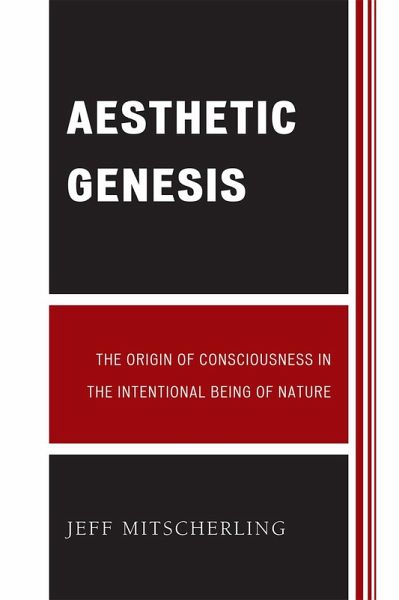
In Aesthetic Genesis, the author argues for a reversal of the most fundamental tenet of phenomenology-namely, that all consciousness is intentional (that is, directed toward an object). Mitscherling suggests, as a new "Copernican hypothesis," that intentionality (i.e., directionality) gives rise to consciousness. This book describes not only the origin, or "genesis," of human cognition in sensation, but also the genesis of sensation from intentional structures belonging to nature itself. A phenomenological examination of our experience leads to the conclusion that the two sorts of being generally recognized by contemporary science and philosophy-that is, material being and ideal being-prove ontologically inadequate to account for this experience. Mitscherling rehabilitates the pre-modern concepts of "intentional being" and "formal causality" and employs them in the construction of a comprehensive phenomenological analysis of embodiment, aesthetic experience, the interpretation of texts, moral behavior, and cognition in general.