4,73 €
4,73 €
inkl. MwSt.
Sofort per Download lieferbar

0 °P sammeln
4,73 €
Als Download kaufen
4,73 €
inkl. MwSt.
Sofort per Download lieferbar
0 °P sammeln
Jetzt verschenken
Alle Infos zum eBook verschenken
4,73 €
inkl. MwSt.
Sofort per Download lieferbar
Alle Infos zum eBook verschenken
0 °P sammeln

Andere Kunden interessierten sich auch für
") Lipedema Diet for Women (eBook, ePUB)6,49 €
Lipedema Diet for Women (eBook, ePUB)6,49 €") Anti-Yeast Diet for Women (eBook, ePUB)5,02 €
Anti-Yeast Diet for Women (eBook, ePUB)5,02 €") Lichen Sclerosus Diet (eBook, ePUB)4,73 €
Lichen Sclerosus Diet (eBook, ePUB)4,73 €") Collagen Diet for Women (eBook, ePUB)5,10 €
Collagen Diet for Women (eBook, ePUB)5,10 €") Keto Diet for Women Over 50 (eBook, ePUB)5,02 €
Keto Diet for Women Over 50 (eBook, ePUB)5,02 €") GLP-1 Diet for Women (eBook, ePUB)5,10 €
GLP-1 Diet for Women (eBook, ePUB)5,10 €") Younger for Life Diet Recipes (eBook, ePUB)0,99 €
Younger for Life Diet Recipes (eBook, ePUB)0,99 €





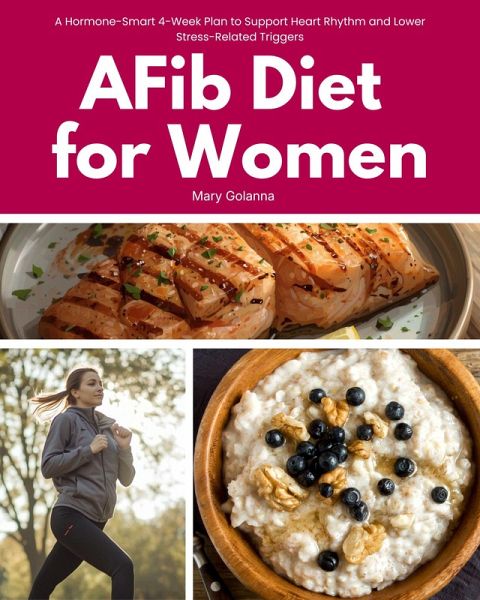
Atrial fibrillation (AFib) is a common heart rhythm disorder, yet many women experience it differently from men. Symptoms can be subtle, easy to dismiss, or masked by stress and hormonal changes. Understanding these nuances offers a clearer way to navigate daily life with more confidence and steadiness.
Nutrition plays a meaningful role in how women maintain energy, support hormonal rhythms, and care for their hearts. While food cannot correct an irregular rhythm, it can influence the internal environment that affects inflammation, stress, and overall cardiovascular stability. This guide focuses on practical ways to use nutrition as one pillar of support.
What AFib Is and Why Women Experience It Differently
AFib occurs when the upper chambers of the heart beat irregularly. Some women feel a fluttering or racing heartbeat; others feel tired, lightheaded, or short of breath. Many notice vague shifts-an off day, unusual fatigue, or a pulse that "feels different."
Women are often diagnosed later in life, especially around or after menopause. Hormonal changes, caregiving demands, and gaps in heart research involving women all contribute to later detection and higher complication risks. Recognizing these patterns helps women strengthen their awareness and communicate more confidently with their care team.
Hormones, Stress, and Heart Rhythm
Hormones influence mood, metabolism, energy, and blood vessel function. Shifts in estrogen and progesterone can affect how the body handles stress and how steady the heart's electrical activity feels.
Cortisol, the body's main stress hormone, also plays a part. Ongoing stress can affect sleep, energy, and how reactive the body feels during the day. Many women notice that periods of hormonal transition or emotional strain make their symptoms feel more noticeable. This connection does not explain every symptom, but it offers a helpful framework for understanding internal changes.
How Nutrition Supports Heart and Hormone Health
Food choices shape the environment in which the heart and hormones function. Whole foods rich in minerals such as magnesium and potassium support healthy electrical signaling in the heart. High-fiber meals help steady blood sugar and support hormone balance. Lean proteins, whole grains, and colorful vegetables supply nutrients needed for energy and resilience.
Daily patterns matter, too. Large or very late meals, excess sodium, or frequent stimulants can influence sleep and stress. In contrast, steady meal timing, hydration, and mindful eating help many women feel more balanced through the day.
These shifts don't need to be dramatic. Women often notice meaningful improvements from simple changes-choosing meals with supportive nutrients, reducing evening caffeine, or keeping sodium intake steady.
This guide offers clear, sustainable strategies to help women understand AFib in the context of hormones, lifestyle, and daily routines. The goal is to help you build steadier energy, understand your body's signals, and create patterns that support long-term well-being.
The next chapters translate these ideas into practical steps you can use right away.
Nutrition plays a meaningful role in how women maintain energy, support hormonal rhythms, and care for their hearts. While food cannot correct an irregular rhythm, it can influence the internal environment that affects inflammation, stress, and overall cardiovascular stability. This guide focuses on practical ways to use nutrition as one pillar of support.
What AFib Is and Why Women Experience It Differently
AFib occurs when the upper chambers of the heart beat irregularly. Some women feel a fluttering or racing heartbeat; others feel tired, lightheaded, or short of breath. Many notice vague shifts-an off day, unusual fatigue, or a pulse that "feels different."
Women are often diagnosed later in life, especially around or after menopause. Hormonal changes, caregiving demands, and gaps in heart research involving women all contribute to later detection and higher complication risks. Recognizing these patterns helps women strengthen their awareness and communicate more confidently with their care team.
Hormones, Stress, and Heart Rhythm
Hormones influence mood, metabolism, energy, and blood vessel function. Shifts in estrogen and progesterone can affect how the body handles stress and how steady the heart's electrical activity feels.
Cortisol, the body's main stress hormone, also plays a part. Ongoing stress can affect sleep, energy, and how reactive the body feels during the day. Many women notice that periods of hormonal transition or emotional strain make their symptoms feel more noticeable. This connection does not explain every symptom, but it offers a helpful framework for understanding internal changes.
How Nutrition Supports Heart and Hormone Health
Food choices shape the environment in which the heart and hormones function. Whole foods rich in minerals such as magnesium and potassium support healthy electrical signaling in the heart. High-fiber meals help steady blood sugar and support hormone balance. Lean proteins, whole grains, and colorful vegetables supply nutrients needed for energy and resilience.
Daily patterns matter, too. Large or very late meals, excess sodium, or frequent stimulants can influence sleep and stress. In contrast, steady meal timing, hydration, and mindful eating help many women feel more balanced through the day.
These shifts don't need to be dramatic. Women often notice meaningful improvements from simple changes-choosing meals with supportive nutrients, reducing evening caffeine, or keeping sodium intake steady.
This guide offers clear, sustainable strategies to help women understand AFib in the context of hormones, lifestyle, and daily routines. The goal is to help you build steadier energy, understand your body's signals, and create patterns that support long-term well-being.
The next chapters translate these ideas into practical steps you can use right away.
Dieser Download kann aus rechtlichen Gründen nur mit Rechnungsadresse in A, B, BG, CY, CZ, D, DK, EW, E, FIN, F, GR, H, IRL, I, LT, L, LR, M, NL, PL, P, R, S, SLO, SK ausgeliefert werden.