55,95 €
55,95 €
inkl. MwSt.
Sofort per Download lieferbar

28 °P sammeln
55,95 €
Als Download kaufen
55,95 €
inkl. MwSt.
Sofort per Download lieferbar
28 °P sammeln
Jetzt verschenken
Alle Infos zum eBook verschenken
55,95 €
inkl. MwSt.
Sofort per Download lieferbar
Alle Infos zum eBook verschenken
28 °P sammeln

Andere Kunden interessierten sich auch für
") Cuban-American Literature and Art (eBook, PDF)25,95 €
Cuban-American Literature and Art (eBook, PDF)25,95 €") Fractal Families in New Millennium Narrative by Afro-Puerto Rican Women (eBook, PDF)59,95 €
Fractal Families in New Millennium Narrative by Afro-Puerto Rican Women (eBook, PDF)59,95 €") Island Bodies (eBook, PDF)55,95 €
Island Bodies (eBook, PDF)55,95 €") The Dissidence of Reinaldo Arenas (eBook, PDF)132,95 €
The Dissidence of Reinaldo Arenas (eBook, PDF)132,95 €") Seeing Politics Otherwise (eBook, PDF)54,95 €
Seeing Politics Otherwise (eBook, PDF)54,95 €") Voice-Overs (eBook, PDF)25,95 €
Voice-Overs (eBook, PDF)25,95 €") Caribbean Genesis (eBook, PDF)25,95 €
Caribbean Genesis (eBook, PDF)25,95 €


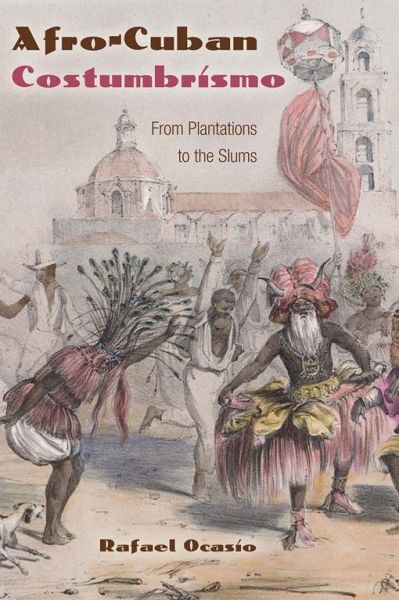
Costumbrismo, which refers to depictions of life in Latin America during the nineteenth century, introduced some of the earliest black themes in Cuban literature. Rafael Ocasio delves into this literature to offer up a new perspective on the development of Cuban identity, as influenced by black culture and religion, during the sugar cane boom.
Comments about the slave trade and the treatment of slaves were often censored in Cuban publications; nevertheless white Costumbrista writers reported on a vast catalogue of stereotypes, religious beliefs, and musical folklore, and on rich African traditions in major Cuban cities. Exploring rare and seldom discussed nineteenth-century texts, Ocasio offers insight into the nuances of black representation in Costumbrismo while analyzing authors such as Suárez y Romero, an abolitionist who wrote from the perspective of a plantation owner.
Afro-Cuban Costumbrismo expands the idea of what texts constitute Costumbrismo and debunks the traditional notion that this writing reveals little about the Afro-Cuban experience. The result is a novel examination of how white writers' representations of black culture heavily inform our current understanding of nineteenth-century Afro-Cuban culture and national identity.
Comments about the slave trade and the treatment of slaves were often censored in Cuban publications; nevertheless white Costumbrista writers reported on a vast catalogue of stereotypes, religious beliefs, and musical folklore, and on rich African traditions in major Cuban cities. Exploring rare and seldom discussed nineteenth-century texts, Ocasio offers insight into the nuances of black representation in Costumbrismo while analyzing authors such as Suárez y Romero, an abolitionist who wrote from the perspective of a plantation owner.
Afro-Cuban Costumbrismo expands the idea of what texts constitute Costumbrismo and debunks the traditional notion that this writing reveals little about the Afro-Cuban experience. The result is a novel examination of how white writers' representations of black culture heavily inform our current understanding of nineteenth-century Afro-Cuban culture and national identity.
Dieser Download kann aus rechtlichen Gründen nur mit Rechnungsadresse in A, D ausgeliefert werden.