Sie sind bereits eingeloggt. Klicken Sie auf 2. tolino select Abo, um fortzufahren.
Bitte loggen Sie sich zunächst in Ihr Kundenkonto ein oder registrieren Sie sich bei bücher.de, um das eBook-Abo tolino select nutzen zu können.
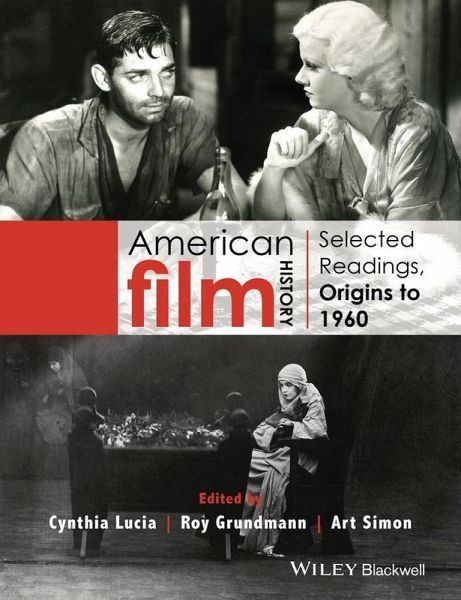
This authoritative collection of introductory and specialized readings explores the rich and innovative history of this period in American cinema. Spanning an essential range of subjects from the early 1900s Nickelodeon to the decline of the studio system in the 1960s, it combines a broad historical context with careful readings of individual films. Charts the rise of film in early twentieth-century America from its origins to 1960, exploring mainstream trends and developments, along with topics often relegated to the margins of standard film histories | Covers diverse issues ranging from…mehr
This authoritative collection of introductory and specialized readings explores the rich and innovative history of this period in American cinema. Spanning an essential range of subjects from the early 1900s Nickelodeon to the decline of the studio system in the 1960s, it combines a broad historical context with careful readings of individual films.
Charts the rise of film in early twentieth-century America from its origins to 1960, exploring mainstream trends and developments, along with topics often relegated to the margins of standard film histories
Covers diverse issues ranging from silent film and its iconic figures such as Charlie Chaplin, to the coming of sound and the rise of film genres, studio moguls, and, later, the Production Code and Cold War Blacklist
Designed with both students and scholars in mind: each section opens with an historical overview and includes chapters that provide close, careful readings of individual films clustered around specific topics
Accessibly structured by historical period, offering valuable cultural, social, and political contexts
Contains careful, close analysis of key filmmakers and films from the era including D.W. Griffith, Charles Chaplin, Buster Keaton, Erich von Stroheim, Cecil B. DeMille, Don Juan, The Jazz Singer, I Am a Fugitive from a Chain Gang, Scarface, Red Dust, Glorifying the American Girl, Meet Me in St. Louis, Citizen Kane, Bambi, Frank Capra's Why We Fightseries, The Strange Love of Martha Ivers, Rebel Without a Cause, Force of Evil, and selected American avant-garde and underground films, among many others.
Additional online resources such as sample syllabi, which include suggested readings and filmographies for both general specialized courses, will be available online.
May be used alongside American Film History: Selected Readings, 1960 to the Present, to provide an authoritative study of American cinema through the new millennium
Dieser Download kann aus rechtlichen Gründen nur mit Rechnungsadresse in D ausgeliefert werden.
Die Herstellerinformationen sind derzeit nicht verfügbar.
Autorenporträt
Together, Cindy Lucia, Roy Grundmann, and Art Simon are the editors of the four volume reference work, The Wiley-Blackwell History of American Film (2012), of this volume and its companion, American Film History: Selected Readings, Origins to 1960 ( both 2016), all published by Wiley-Blackwell. Cynthia Lucia is Professor of English and Director of Film and Media Studies at Rider University. She is author of Framing Female Lawyers: Women on Trial in Film (2005) and writes for Cineaste film magazine, where she has served on the editorial board for more than two decades. Her most recent research includes essays that appear in A Companion to Woody Allen (Wiley, 2013), Modern British Drama on Screen (2014), and Law, Culture and Visual Studies (2014). Roy Grundmann is Associate Professor of Film Studies at Boston University. He is the author of Andy Warhol's Blow Job (2003) and the editor of A Companion to Michael Haneke (Wiley 2010). He is Contributing Editor of Cineaste and has published essays in a range of prestigious anthologies and journals, including GLQ, Cineaste, Continuum, The Velvet Light Trap, and Millennium Film Journal. He has curated retrospectives on Michael Haneke, Andy Warhol, and Matthias Müller. Art Simon is Professor of Film Studies at Montclair State University. He is the author of Dangerous Knowledge: The JFK Assassination in Art and Film (2nd edition, 2013). He has curated two film exhibitions for the Solomon Guggenheim Museum in New York City and his work has been published in the edited collection "Un-American" Hollywood: Politics and Film in the Blacklist Era (2007) and in the journal American Jewish History.
Inhaltsangabe
Volume I: Origins to 1960 Acknowledgments xii Preface xiii Part I Origins to 1928 1 Setting the Stage: American Film History, Origins to 1928 3 References 16 2 D. W. Griffith and the Development of American Narrative Cinema 18 Charlie Keil Notes 34 References 34 3 Women and the Silent Screen 36 Shelley Stamp References 51 4 African-Americans and Silent Films 54 Paula J. Massood Notes 68 References 68 5 Chaplin and Silent Film Comedy 70 Charles J. Maland References 84 6 Erich von Stroheim and Cecil B. DeMille: Early Hollywood and the Discourse of Directorial "Genius" 85 Gaylyn Studlar Notes 97 References 97 7 The Star System 99 Mark Lynn Anderson Notes 112 References 113 8 Synchronized Sound Comes to the Cinema 115 Paul Young Notes 128 References 129 Part II 1929-1945 9 Setting the Stage: American Film History, 1929-1945 133 Note 151 References 151 10 Era of the Moguls: The Studio System 153 Matthew H. Bernstein References 173 11 "As Close to Real Life as Hollywood Ever Gets": Headline Pictures, Topical Movies, Editorial Cinema, and Studio Realism in the 1930s 175 Richard Maltby Notes 194 References 198 12 Early American Avant-Garde Cinema 200 Jan-Christopher Horak Notes 214 References 214 13 "Let 'Em Have It": The Ironic Fate of the 1930s Hollywood Gangster 215 Ruth Vasey Notes 230 References 230 14 Landscapes of Fantasy, Gardens of Deceit: The Adventure Film between Colonialism and Tourism 231 Hans Jürgen Wulff Notes 245 References 246 15 Cinema and the Modern Woman 248 Veronica Pravadelli Notes 262 References 262 16 Queering the (New) Deal 264 David M. Lugowski Notes 280 References 280 17 There's No Place Like Home: The Hollywood Folk Musical 282 Desirée J. Garcia Notes 295 References 296 18 The Magician: Orson Welles and Film Style 297 James Naremore Notes 309 References 310 19 Classical Cel Animation, World War II, and Bambi 311 Kirsten Moana Thompson Notes 324 References 325 20 Mapping Whywefight: Frank Capra and the US Army Orientation Film in World War II 326 Charles Wolfe Notes 339 References 339 21 a Victory "uneasy with Its Contrasts": the Hollywood Left Fights World War II 341 Saverio Giovacchini Notes 356 References 359 22 Hollywood as Historian, 1929-1945 361 J. E. Smyth Notes 377 References 377 Part III 1945-1960 23 Setting the Stage: American Film History, 1945-1960 383 References 397 24 Taking Stock at War's End: Gender, Genre, and Hollywood Labor in The Strange Love of Martha Ivers 398 Roy Grundmann Notes 419 References 421 25 Natalie Wood: Studio Stardom and Hollywood in Transition 423 Cynthia Lucia Notes 444 References 446 26 The Politics of Force of Evil: An Analysis of Abraham Polonsky's Preblacklist Film 448 Christine Noll Brinckmann Notes 467 References 469 27 The Actors Studio in the Early Cold War 471 Cynthia Baron & Beckett Warren Notes 485 References 485 28 Authorship and Billy Wilder 486 Robert Sklar Notes 501 References 501 29 Cold War Thrillers 503 R. Barton Palmer References 519 30 American Underground Film 520 Jared Rapfogel Note 535 References 535 Index 537 Also in the same series Volume II: 1960 to the Present Acknowledgments xii Preface xiii Part I 1960-1975 1 Setting the Stage: American Film History, 1960-1975 3 Notes 21 References 22 2 Adults Only: Low-Budget Exploitation 23 Eric Schaefer Note 35 References 35 3 Black Representation in Independent Cinema: From Civil Rights to Black Power 37 Alex Lykidis Notes 52 References 54 4 Cinema Direct and Indirect: American Documentary, 1960-1975 56 Charles Warren Notes 70 References 70 5 Comedy and the Dismantling of the Hollywood Western 72 Teresa Podlesney Note 86 References 86 6 The New Hollywood 87 Derek Nystrom Notes 103 References 103 7 "One Big Lousy X": The Cinema of Urban Crisis 105 Art Simon References 118 8 Nashville: Putting on the Show: Or, Paradoxes of the "Instant" and the "Moment" 120 Thomas Elsaesser Notes 131 References 132 9 Cinema and the Age of Television, 1946-1975 134 Michele Hilmes Notes 146 References 146 Part II 1976-1990 10 Setting the Stage: American Film History, 1976-1990 151 Notes 173 References 173 11 Seismic Shifts in the American Film Industry 175 Thomas Schatz Notes 188 References 188 12 Independent Film: 1980s to the Present 190 Geoff King References 204 13 Reclaiming the Black Family: Charles Burnett, Julie Dash, and the "L.A. Rebellion" 205 Janet K. Cutler Notes 218 References 221 14 Feminism, Cinema, and Film Criticism 223 Lucy Fischer References 238 15 American Avant-Garde Cinema from 1970 to the Present 241 Scott MacDonald Note 258 References 258 16 A Reintroduction to the American Horror Film 259 Adam Lowenstein Note 274 References 274 17 Back to the Future: Hollywood and Reagan's America 275 Susan Jeffords References 285 18 "Stayin' Alive": The Post-Studio Hollywood Musical 286 Karen Backstein Notes 301 References 302 Part III 1991 to the Present 19 Setting the Stage: American Film History, 1991 to the Present 307 Notes 329 References 329 20 The Queer 1990s: The Challenge and Failure of Radical Change 330 Michael Bronski Notes 344 References 346 21 24/7: Cable Television, Hollywood, and the Narrative Feature Film 347 Barbara Klinger Notes 360 References 360 22 Plasmatics and Prisons: The Morph and the Spectacular Emergence of CGI 362 Kristen Whissel References 375 23 Mainstream Documentary since 1999 376 Patricia Aufderheide References 391 24 Truthiness Is Stranger than Fictition: The "New Biopic" 393 Michael Sicinski Notes 407 25 "Asia" as Global Hollywood Commodity 408 Kenneth Chan Notes 421 References 422 26 The Blockbuster Superhero 423 Bart Beaty Notes 437 References 437 27 Limited Engagement: The Iraq War on Film 438 Susan L. Carruthers Notes 453 References 453 28 The Biggest Independent Pictures Ever Made: Industrial Reflexivity Today 454 J. D. Connor Notes 468 References 469 29 Writing American Film History 471 Robert Sklar References 481 Index 483
Volume I: Origins to 1960 Acknowledgments xii Preface xiii Part I Origins to 1928 1 Setting the Stage: American Film History, Origins to 1928 3 References 16 2 D. W. Griffith and the Development of American Narrative Cinema 18 Charlie Keil Notes 34 References 34 3 Women and the Silent Screen 36 Shelley Stamp References 51 4 African-Americans and Silent Films 54 Paula J. Massood Notes 68 References 68 5 Chaplin and Silent Film Comedy 70 Charles J. Maland References 84 6 Erich von Stroheim and Cecil B. DeMille: Early Hollywood and the Discourse of Directorial "Genius" 85 Gaylyn Studlar Notes 97 References 97 7 The Star System 99 Mark Lynn Anderson Notes 112 References 113 8 Synchronized Sound Comes to the Cinema 115 Paul Young Notes 128 References 129 Part II 1929-1945 9 Setting the Stage: American Film History, 1929-1945 133 Note 151 References 151 10 Era of the Moguls: The Studio System 153 Matthew H. Bernstein References 173 11 "As Close to Real Life as Hollywood Ever Gets": Headline Pictures, Topical Movies, Editorial Cinema, and Studio Realism in the 1930s 175 Richard Maltby Notes 194 References 198 12 Early American Avant-Garde Cinema 200 Jan-Christopher Horak Notes 214 References 214 13 "Let 'Em Have It": The Ironic Fate of the 1930s Hollywood Gangster 215 Ruth Vasey Notes 230 References 230 14 Landscapes of Fantasy, Gardens of Deceit: The Adventure Film between Colonialism and Tourism 231 Hans Jürgen Wulff Notes 245 References 246 15 Cinema and the Modern Woman 248 Veronica Pravadelli Notes 262 References 262 16 Queering the (New) Deal 264 David M. Lugowski Notes 280 References 280 17 There's No Place Like Home: The Hollywood Folk Musical 282 Desirée J. Garcia Notes 295 References 296 18 The Magician: Orson Welles and Film Style 297 James Naremore Notes 309 References 310 19 Classical Cel Animation, World War II, and Bambi 311 Kirsten Moana Thompson Notes 324 References 325 20 Mapping Whywefight: Frank Capra and the US Army Orientation Film in World War II 326 Charles Wolfe Notes 339 References 339 21 a Victory "uneasy with Its Contrasts": the Hollywood Left Fights World War II 341 Saverio Giovacchini Notes 356 References 359 22 Hollywood as Historian, 1929-1945 361 J. E. Smyth Notes 377 References 377 Part III 1945-1960 23 Setting the Stage: American Film History, 1945-1960 383 References 397 24 Taking Stock at War's End: Gender, Genre, and Hollywood Labor in The Strange Love of Martha Ivers 398 Roy Grundmann Notes 419 References 421 25 Natalie Wood: Studio Stardom and Hollywood in Transition 423 Cynthia Lucia Notes 444 References 446 26 The Politics of Force of Evil: An Analysis of Abraham Polonsky's Preblacklist Film 448 Christine Noll Brinckmann Notes 467 References 469 27 The Actors Studio in the Early Cold War 471 Cynthia Baron & Beckett Warren Notes 485 References 485 28 Authorship and Billy Wilder 486 Robert Sklar Notes 501 References 501 29 Cold War Thrillers 503 R. Barton Palmer References 519 30 American Underground Film 520 Jared Rapfogel Note 535 References 535 Index 537 Also in the same series Volume II: 1960 to the Present Acknowledgments xii Preface xiii Part I 1960-1975 1 Setting the Stage: American Film History, 1960-1975 3 Notes 21 References 22 2 Adults Only: Low-Budget Exploitation 23 Eric Schaefer Note 35 References 35 3 Black Representation in Independent Cinema: From Civil Rights to Black Power 37 Alex Lykidis Notes 52 References 54 4 Cinema Direct and Indirect: American Documentary, 1960-1975 56 Charles Warren Notes 70 References 70 5 Comedy and the Dismantling of the Hollywood Western 72 Teresa Podlesney Note 86 References 86 6 The New Hollywood 87 Derek Nystrom Notes 103 References 103 7 "One Big Lousy X": The Cinema of Urban Crisis 105 Art Simon References 118 8 Nashville: Putting on the Show: Or, Paradoxes of the "Instant" and the "Moment" 120 Thomas Elsaesser Notes 131 References 132 9 Cinema and the Age of Television, 1946-1975 134 Michele Hilmes Notes 146 References 146 Part II 1976-1990 10 Setting the Stage: American Film History, 1976-1990 151 Notes 173 References 173 11 Seismic Shifts in the American Film Industry 175 Thomas Schatz Notes 188 References 188 12 Independent Film: 1980s to the Present 190 Geoff King References 204 13 Reclaiming the Black Family: Charles Burnett, Julie Dash, and the "L.A. Rebellion" 205 Janet K. Cutler Notes 218 References 221 14 Feminism, Cinema, and Film Criticism 223 Lucy Fischer References 238 15 American Avant-Garde Cinema from 1970 to the Present 241 Scott MacDonald Note 258 References 258 16 A Reintroduction to the American Horror Film 259 Adam Lowenstein Note 274 References 274 17 Back to the Future: Hollywood and Reagan's America 275 Susan Jeffords References 285 18 "Stayin' Alive": The Post-Studio Hollywood Musical 286 Karen Backstein Notes 301 References 302 Part III 1991 to the Present 19 Setting the Stage: American Film History, 1991 to the Present 307 Notes 329 References 329 20 The Queer 1990s: The Challenge and Failure of Radical Change 330 Michael Bronski Notes 344 References 346 21 24/7: Cable Television, Hollywood, and the Narrative Feature Film 347 Barbara Klinger Notes 360 References 360 22 Plasmatics and Prisons: The Morph and the Spectacular Emergence of CGI 362 Kristen Whissel References 375 23 Mainstream Documentary since 1999 376 Patricia Aufderheide References 391 24 Truthiness Is Stranger than Fictition: The "New Biopic" 393 Michael Sicinski Notes 407 25 "Asia" as Global Hollywood Commodity 408 Kenneth Chan Notes 421 References 422 26 The Blockbuster Superhero 423 Bart Beaty Notes 437 References 437 27 Limited Engagement: The Iraq War on Film 438 Susan L. Carruthers Notes 453 References 453 28 The Biggest Independent Pictures Ever Made: Industrial Reflexivity Today 454 J. D. Connor Notes 468 References 469 29 Writing American Film History 471 Robert Sklar References 481 Index 483
Es gelten unsere Allgemeinen Geschäftsbedingungen: www.buecher.de/agb
Impressum
www.buecher.de ist ein Internetauftritt der buecher.de internetstores GmbH
Geschäftsführung: Monica Sawhney | Roland Kölbl | Günter Hilger
Sitz der Gesellschaft: Batheyer Straße 115 - 117, 58099 Hagen
Postanschrift: Bürgermeister-Wegele-Str. 12, 86167 Augsburg
Amtsgericht Hagen HRB 13257
Steuernummer: 321/5800/1497
USt-IdNr: DE450055826