Sie sind bereits eingeloggt. Klicken Sie auf 2. tolino select Abo, um fortzufahren.
Bitte loggen Sie sich zunächst in Ihr Kundenkonto ein oder registrieren Sie sich bei bücher.de, um das eBook-Abo tolino select nutzen zu können.
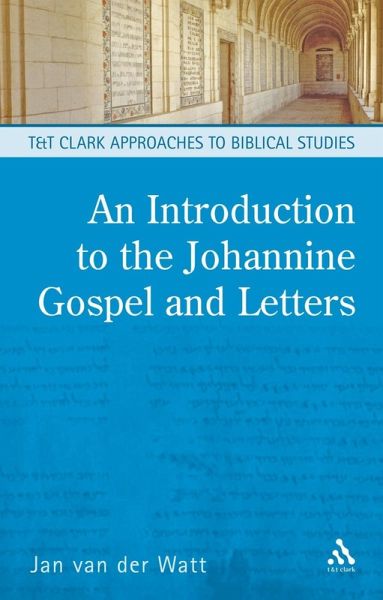
This accessible guide to the Gospel and Letters of John introduces readers to key issues arising from historical, literary, and theological approaches to the Johannine literature, also discussing the methodological rationale underlying each of these approaches. After introducing the reader to the development of the narrative structure of the book, the message (theology) is discussed in detail, with the aim of introducing the reader to the interrelatedness of the multiple theological ideas in this Gospel. Similarities, but also differences between the Gospel and Letters are constantly…mehr
This accessible guide to the Gospel and Letters of John introduces readers to key issues arising from historical, literary, and theological approaches to the Johannine literature, also discussing the methodological rationale underlying each of these approaches. After introducing the reader to the development of the narrative structure of the book, the message (theology) is discussed in detail, with the aim of introducing the reader to the interrelatedness of the multiple theological ideas in this Gospel. Similarities, but also differences between the Gospel and Letters are constantly considered. Familiar with the content of the Gospel, readers are then confronted with questions about the origin, development and socio-cultural nature of the Gospel and letters. In each case the scholarly field is briefly reviewed and major solutions are discussed. Thorough discussions on different issues are presented in different chapters, each time referring to the relevant methodological approaches. How do the Gospel and Letters relate to the synoptics, or the Old Testament? Do we have a Gospel composed of multiple sources or is it a seamless document. How was this influential document written and where do the ideas found in the Gospel come from?
Since the aim of this book is to form a solid and comprehensive basis for future study of the Johannine literature, readers are placed firmly within the scholarly currents and streams of the Johannine literature. In terms of a metaphor: after reading the book, explorers will know what is out there and why. Now they can start to dig deeper for themselves without feeling lost in an uncharted land.
Die Herstellerinformationen sind derzeit nicht verfügbar.
Autorenporträt
Jan van der Watt is Professor and head of the Department of New Testament Studies at the University of Pretoria, South Africa. His involvement with Johannine literature stretches over many years and includes publications like "Family of the King. Dynamics of metaphor in the Gospel according to John". He was also co-chair of the Johannine seminar of the Studiorum Novi Testamenti Societas from 1997 to 2003. Currently he is area editor for Johannine literature and General Epistles for the 30 volume de Gruyter Encyclopedia of the Bible and its Reception, and is general editor of the Review of Biblical Literature. He is the author of over 80 academic articles, 25 chapters in books and 24 books.
Inhaltsangabe
Introduction Chapter 1: Meeting the Gospel and letters of John 1. Introduction 2. Briefly... the prologues of the Gospel and First John 3. A Story with a Message: the Gospel according to John 3.1 The Structure of the Gospel 3.1.1 The stated purpose of the Gospel 3.1.2 Broad structure of the Gospel 3.1.3 The development and flow of the contents of the Gospel 4. What are the Letters of John about? An overview of their content 5. An intriguing question: what is the relation between the Gospel and Letters of John? Chapter 2: Theological analysis of the Johannine literature 1. Theological analysis of the Johannine message - about method 1.1 Approaching the Gospel theologically Excursus: Examples of some theological approaches to the Johannine literature 1.2 Theology and John's Gospel: Relational theology Excursus: The pictorial nature of Johannine theology 2. John's view of reality: contrasting worlds 2.1 Contrasting realities 2.2 Creational contrasts 2.2.1 Contrast in space - heaven and earth 2.2.2 Contrasting time: pre-existence, eternity and earthly time 2.3 Contrasts with ethical implications: Good and evil 3. God's loving mission to this world: from the 'above' to the 'below' 3.1 Who is the God we meet in the Johannine writings? 3.2 The unique relationship between the Father and the Son 3.3 The Letters enrich the view of God 4. God reaches out - He sends his Son 4.1 A world in need of God - the origin of evil 4.2 The mission of Jesus Excursus: I am- sayings (Gr. = ego eimi) 5. Get to know Jesus better (Christology) 5.1 Jesus has many names... names with a message 5.2 Jesus' identity as the Son of God, the Father 5.3 Jesus' humanity and divinity 5.3.1 Jesus is God Excursus: Jesus as God 5.3.2 Jesus was truly human 5.4 Jesus, the Revealer 5.5 Jesus, the King 5.6 The added symphony of the Letters 5.7 Conclusion 6. Salvation: becoming part of the family of God 6.1 The way to salvation: believe in Jesus 6.1.1 The problem - it is a matter of existence 6.1.2 Faith as a means of attaining salvation 6.1.3 Salvation: being born into the family of God Excursus: The role of the cross in salvation 6.2 Being saved: having eternal life or being a child in the family of God 6.2.1 Life (salvation) means an intimate relationship with the Father and the Son 6.2.2 The expected behaviour in the family (ethics) 6.2.3 Care in the family Excursus: Sacraments? 7. The church and the road ahead... the Spirit, the mission and the future 7.1 Jesus goes back to his Father 7.2 His followers remain behind and are under pressure 7.3 Followers with a mission 7.4 The presence of the 'absent' Jesus 7.5 Believers receive a Helper, the Paraclete 7.5.1 The Spirit as Paraclete 7.5.2 The Paraclete as special Helper 7.6 The Holy Spirit 7.7 The eschatological future 7.7.1 Not a realized or futuristic eschatology, but a progressively realizing eschatology 7.7.2 The last day... 8. Conclusion Chapter 3: The Gospel and Letters of John in relation to other similar documents Excursus: How did the Gospel and Letters became part of the canon? 1. The relationship between John and the Synoptics 1.1 The problem 1.2 The implications of answers to the problem - a methodological remark 1.3 The similarities between the synoptics and John 1.4 What are the differences between the synoptics and John? 1.5 How should the literary problem of the Gospel according to John be solved? 2. The Old Testament 3. What about the Letters? 4. Conclusion Chapter 4: The composition of the Gospel: multiple sources or a seamless document? 1. A Highway or a Rocky Road? 1.1 The material in this Gospel divided into blocks (a on the chart) 1.2 A problem: tensions and breaks in the text of the Gospel 1.3 Suggested solutions for tensions and breaks in the text 1.3.1 A process of development... sources, redactions, editorial work 1.3.2 Editorial work resulting in tensions in the text 1.4 The text is a 'seamless robe' or close knit unit 1.4.1 Reading the text as it is 1.4.2 Some exegetical approaches resulting from focus on the text as it is Chapter 5: Where does John's Gospel comes from? 1. Who wrote the Gospel? 1.1 John, the son of Zebedee 1.2 Different John's? 1.3 Not a single author but a process of development 1.3.1 The Gospel as a 'two level drama' - where the Jesus-events and the community situation are integrated Excursus: Martyn's suggestions 1.3.2 The Gospel developed in stages under community influence Excursus: Exegetical advantages that arise from a multilayered approach 1.3.3 The authorship of the Letters 2. When were the Gospel and Letters composed and where? 2.1 A date? Which date? 2.2 Place or places? The place of origin of the Gospel and Letters 3. Possible historical scenarios that prompted the composition of the Gospel and Letters Chapter 6: Where did the author(s) of the Johannine literature get their ideas from? 1. The unique character of the Johannine literature 2. Socio-religious influences: Brief methodological considerations 3. The possible socio-religious ecology of John's Gospel and Letters 3.1 Hellenism as the religious setting for John's Gospel and Letters Excursus: Hellenism 3.2 Docetistic and Gnostic influences Excursus: What is Gnosticism? 3.3 Judaism in various forms 4. Conclusion Conclusion: Johannine literature today Further Reading and Bibliography Index of Biblical References General Index
Introduction Chapter 1: Meeting the Gospel and letters of John 1. Introduction 2. Briefly... the prologues of the Gospel and First John 3. A Story with a Message: the Gospel according to John 3.1 The Structure of the Gospel 3.1.1 The stated purpose of the Gospel 3.1.2 Broad structure of the Gospel 3.1.3 The development and flow of the contents of the Gospel 4. What are the Letters of John about? An overview of their content 5. An intriguing question: what is the relation between the Gospel and Letters of John? Chapter 2: Theological analysis of the Johannine literature 1. Theological analysis of the Johannine message - about method 1.1 Approaching the Gospel theologically Excursus: Examples of some theological approaches to the Johannine literature 1.2 Theology and John's Gospel: Relational theology Excursus: The pictorial nature of Johannine theology 2. John's view of reality: contrasting worlds 2.1 Contrasting realities 2.2 Creational contrasts 2.2.1 Contrast in space - heaven and earth 2.2.2 Contrasting time: pre-existence, eternity and earthly time 2.3 Contrasts with ethical implications: Good and evil 3. God's loving mission to this world: from the 'above' to the 'below' 3.1 Who is the God we meet in the Johannine writings? 3.2 The unique relationship between the Father and the Son 3.3 The Letters enrich the view of God 4. God reaches out - He sends his Son 4.1 A world in need of God - the origin of evil 4.2 The mission of Jesus Excursus: I am- sayings (Gr. = ego eimi) 5. Get to know Jesus better (Christology) 5.1 Jesus has many names... names with a message 5.2 Jesus' identity as the Son of God, the Father 5.3 Jesus' humanity and divinity 5.3.1 Jesus is God Excursus: Jesus as God 5.3.2 Jesus was truly human 5.4 Jesus, the Revealer 5.5 Jesus, the King 5.6 The added symphony of the Letters 5.7 Conclusion 6. Salvation: becoming part of the family of God 6.1 The way to salvation: believe in Jesus 6.1.1 The problem - it is a matter of existence 6.1.2 Faith as a means of attaining salvation 6.1.3 Salvation: being born into the family of God Excursus: The role of the cross in salvation 6.2 Being saved: having eternal life or being a child in the family of God 6.2.1 Life (salvation) means an intimate relationship with the Father and the Son 6.2.2 The expected behaviour in the family (ethics) 6.2.3 Care in the family Excursus: Sacraments? 7. The church and the road ahead... the Spirit, the mission and the future 7.1 Jesus goes back to his Father 7.2 His followers remain behind and are under pressure 7.3 Followers with a mission 7.4 The presence of the 'absent' Jesus 7.5 Believers receive a Helper, the Paraclete 7.5.1 The Spirit as Paraclete 7.5.2 The Paraclete as special Helper 7.6 The Holy Spirit 7.7 The eschatological future 7.7.1 Not a realized or futuristic eschatology, but a progressively realizing eschatology 7.7.2 The last day... 8. Conclusion Chapter 3: The Gospel and Letters of John in relation to other similar documents Excursus: How did the Gospel and Letters became part of the canon? 1. The relationship between John and the Synoptics 1.1 The problem 1.2 The implications of answers to the problem - a methodological remark 1.3 The similarities between the synoptics and John 1.4 What are the differences between the synoptics and John? 1.5 How should the literary problem of the Gospel according to John be solved? 2. The Old Testament 3. What about the Letters? 4. Conclusion Chapter 4: The composition of the Gospel: multiple sources or a seamless document? 1. A Highway or a Rocky Road? 1.1 The material in this Gospel divided into blocks (a on the chart) 1.2 A problem: tensions and breaks in the text of the Gospel 1.3 Suggested solutions for tensions and breaks in the text 1.3.1 A process of development... sources, redactions, editorial work 1.3.2 Editorial work resulting in tensions in the text 1.4 The text is a 'seamless robe' or close knit unit 1.4.1 Reading the text as it is 1.4.2 Some exegetical approaches resulting from focus on the text as it is Chapter 5: Where does John's Gospel comes from? 1. Who wrote the Gospel? 1.1 John, the son of Zebedee 1.2 Different John's? 1.3 Not a single author but a process of development 1.3.1 The Gospel as a 'two level drama' - where the Jesus-events and the community situation are integrated Excursus: Martyn's suggestions 1.3.2 The Gospel developed in stages under community influence Excursus: Exegetical advantages that arise from a multilayered approach 1.3.3 The authorship of the Letters 2. When were the Gospel and Letters composed and where? 2.1 A date? Which date? 2.2 Place or places? The place of origin of the Gospel and Letters 3. Possible historical scenarios that prompted the composition of the Gospel and Letters Chapter 6: Where did the author(s) of the Johannine literature get their ideas from? 1. The unique character of the Johannine literature 2. Socio-religious influences: Brief methodological considerations 3. The possible socio-religious ecology of John's Gospel and Letters 3.1 Hellenism as the religious setting for John's Gospel and Letters Excursus: Hellenism 3.2 Docetistic and Gnostic influences Excursus: What is Gnosticism? 3.3 Judaism in various forms 4. Conclusion Conclusion: Johannine literature today Further Reading and Bibliography Index of Biblical References General Index
Es gelten unsere Allgemeinen Geschäftsbedingungen: www.buecher.de/agb
Impressum
www.buecher.de ist ein Internetauftritt der buecher.de internetstores GmbH
Geschäftsführung: Monica Sawhney | Roland Kölbl | Günter Hilger
Sitz der Gesellschaft: Batheyer Straße 115 - 117, 58099 Hagen
Postanschrift: Bürgermeister-Wegele-Str. 12, 86167 Augsburg
Amtsgericht Hagen HRB 13257
Steuernummer: 321/5800/1497
USt-IdNr: DE450055826