14,95 €
14,95 €
inkl. MwSt.
Sofort per Download lieferbar

7 °P sammeln
14,95 €
Als Download kaufen
14,95 €
inkl. MwSt.
Sofort per Download lieferbar
7 °P sammeln
Jetzt verschenken
Alle Infos zum eBook verschenken
14,95 €
inkl. MwSt.
Sofort per Download lieferbar
Alle Infos zum eBook verschenken
7 °P sammeln

Andere Kunden interessierten sich auch für
") Ardit Gjebrea's Projekt Jon (eBook, ePUB)14,95 €
Ardit Gjebrea's Projekt Jon (eBook, ePUB)14,95 €") Los Rodríguez's Sin Documentos (eBook, PDF)14,95 €
Los Rodríguez's Sin Documentos (eBook, PDF)14,95 €") Screamfeeder's Kitten Licks (eBook, PDF)14,95 €
Screamfeeder's Kitten Licks (eBook, PDF)14,95 €") Ed Kuepper's Honey Steel's Gold (eBook, PDF)14,95 €
Ed Kuepper's Honey Steel's Gold (eBook, PDF)14,95 €") Kylie Minogue's Kylie (eBook, PDF)14,95 €
Kylie Minogue's Kylie (eBook, PDF)14,95 €") Cat Power's Moon Pix (eBook, PDF)9,95 €
Cat Power's Moon Pix (eBook, PDF)9,95 €") Modeselektor's Happy Birthday! (eBook, PDF)14,95 €
Modeselektor's Happy Birthday! (eBook, PDF)14,95 €
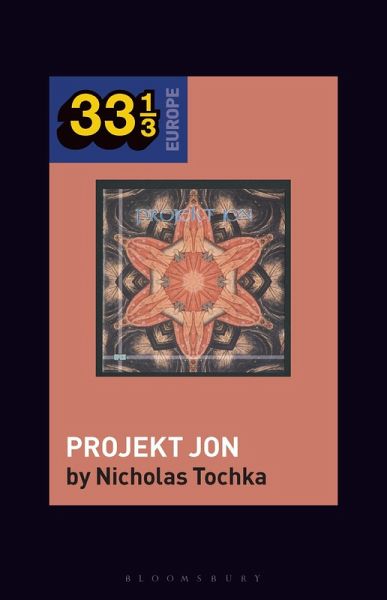
As market reforms and migration transformed Albania in the early 1990s, Ardit Gjebrea began mixing traditional folk music with world music and Italian pop. The resulting album, Projekt Jon (1997), provided a new model for song-Western and cosmopolitan, yet firmly rooted in the fertile soil of the nation-against a backdrop of deepening political uncertainty about the very future of Albania. The Ionian Project announced itself with the frenetic beating of the daullë and the traditional cries of Albania's highland shepherd. This sprawling collaboration between singer-songwriter Ardit Gjebrea, folk singer Hysni Zela, producer Paul Mazzolini, and a team of crack studio musicians in Italy, had an outsized ambition: to transcend the small postsocialist nation-state's borders, imaginatively crafting through sound a new home in Europe for its citizens. But as Gjebrea prepared to launch Projekt Jon, violence prompted by the collapse of widespread pyramid schemes threatened to tear Albania apart. And for the intellectuals concerned about growing cracks in the symbolic foundations of the Albanian nation-state, the album came to serve as a referendum on the nature of postsocialist citizenship.