Michael Armstrong, Stephen Taylor
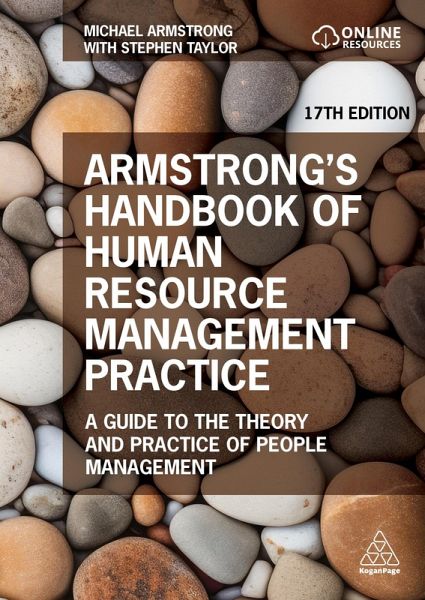
Armstrong's Handbook of Human Resource Management Practice (eBook, ePUB)
A Guide to the Theory and Practice of People Management
39,95 €
39,95 €
inkl. MwSt.
Erscheint vor. 03.01.26

20 °P sammeln
39,95 €
Als Download kaufen
39,95 €
inkl. MwSt.
Erscheint vor. 03.01.26
20 °P sammeln
Jetzt verschenken
Alle Infos zum eBook verschenken
39,95 €
inkl. MwSt.
Erscheint vor. 03.01.26
Alle Infos zum eBook verschenken
20 °P sammeln

Sollten wir den Preis dieses Artikels vor dem Erscheinungsdatum senken, werden wir dir den Artikel bei der Auslieferung automatisch zum günstigeren Preis berechnen.
Michael Armstrong, Stephen Taylor
Armstrong's Handbook of Human Resource Management Practice (eBook, ePUB)
A Guide to the Theory and Practice of People Management
- Format: ePub
- Merkliste
- Auf die Merkliste
- Bewerten Bewerten
- Teilen
- Produkt teilen
- Produkterinnerung
- Produkterinnerung

Bitte loggen Sie sich zunächst in Ihr Kundenkonto ein oder registrieren Sie sich bei
bücher.de, um das eBook-Abo tolino select nutzen zu können.
Hier können Sie sich einloggen
Sie sind bereits eingeloggt. Klicken Sie auf 2. tolino select Abo, um fortzufahren.

Bitte loggen Sie sich zunächst in Ihr Kundenkonto ein oder registrieren Sie sich bei bücher.de, um das eBook-Abo tolino select nutzen zu können.
Armstrong's Handbook of Human Resource Management Practice is the definitive resource for HRM students and professionals, to understand and implement all things HR.
This book is suited to both professionals and students of undergraduate and postgraduate degrees, providing detailed coverage of all areas essential to the HR function such as employment law, employee relations, learning and development, performance management and reward management.
It also covers the HR skills needed to ensure professional success and development, including leadership, managing conflict, interviewing and…mehr
- Geräte: eReader
- mit Kopierschutz
- eBook Hilfe
- Größe: 12.57MB
- FamilySharing(5)
Andere Kunden interessierten sich auch für
Michael ArmstrongArmstrong's Handbook of Reward Management Practice (eBook, ePUB)39,95 €
Michael ArmstrongArmstrong's Essential Human Resource Management Practice (eBook, ePUB)41,95 €
Laura L. BieremaHuman Resource Development (eBook, ePUB)38,95 €
Wendelin M. KüpersIntegrating Embodied Practice and Transformational Wisdom for Sustainable Organization and Leadership (eBook, ePUB)44,95 €
Michael ArmstrongArmstrong's Handbook of Performance Management (eBook, ePUB)37,95 €
Michael ArmstrongArmstrong's Essential Skills for People Professionals (eBook, ePUB)21,95 €
Esther CameronMaking Sense of Change Management (eBook, ePUB)31,95 €-
-
-
Armstrong's Handbook of Human Resource Management Practice is the definitive resource for HRM students and professionals, to understand and implement all things HR.
This book is suited to both professionals and students of undergraduate and postgraduate degrees, providing detailed coverage of all areas essential to the HR function such as employment law, employee relations, learning and development, performance management and reward management.
It also covers the HR skills needed to ensure professional success and development, including leadership, managing conflict, interviewing and using statistics. Illustrated in colour throughout, readers will find a range of pedagogical features to consolidate learning such as source review boxes, key learning points and real world examples from international organizations such as IBM, HSBC and Johnson and Johnson.
This fully updated 17th edition includes new material on:
- Artificial Intelligence
- Systems thinking
- Communication skills
- Necessary hard and soft skills in HRM practices
Updates are included throughout to reflect the changes within the realm of HR, such as talent management, hybrid working and employee wellbeing. It is aligned with the Chartered Institute of Personnel and Development (CIPD) profession map so can be used by those studying Level 5 and Level 7 qualifications. Online supporting resources include comprehensive handbooks for lecturers and students, lecture slides, toolkits, and a literature review, glossary and bibliography.
This book is suited to both professionals and students of undergraduate and postgraduate degrees, providing detailed coverage of all areas essential to the HR function such as employment law, employee relations, learning and development, performance management and reward management.
It also covers the HR skills needed to ensure professional success and development, including leadership, managing conflict, interviewing and using statistics. Illustrated in colour throughout, readers will find a range of pedagogical features to consolidate learning such as source review boxes, key learning points and real world examples from international organizations such as IBM, HSBC and Johnson and Johnson.
This fully updated 17th edition includes new material on:
- Artificial Intelligence
- Systems thinking
- Communication skills
- Necessary hard and soft skills in HRM practices
Updates are included throughout to reflect the changes within the realm of HR, such as talent management, hybrid working and employee wellbeing. It is aligned with the Chartered Institute of Personnel and Development (CIPD) profession map so can be used by those studying Level 5 and Level 7 qualifications. Online supporting resources include comprehensive handbooks for lecturers and students, lecture slides, toolkits, and a literature review, glossary and bibliography.
Produktdetails
- Produktdetails
- Verlag: Kogan Page eBook
- Seitenzahl: 776
- Erscheinungstermin: 3. Januar 2026
- Englisch
- ISBN-13: 9781398622098
- Artikelnr.: 76131391
- Verlag: Kogan Page eBook
- Seitenzahl: 776
- Erscheinungstermin: 3. Januar 2026
- Englisch
- ISBN-13: 9781398622098
- Artikelnr.: 76131391
- Herstellerkennzeichnung Die Herstellerinformationen sind derzeit nicht verfügbar.
Michael Armstrong is the UK's bestselling author of Human Resource Management books including Armstrong's Handbook of Human Resource Management Practice, Armstrong's Handbook of Strategic Human Resource Management, Armstrong's Handbook of Reward Management Practice and Armstrong's Handbook of Performance Management and several other titles published by Kogan Page. His books have sold over a million copies and have been translated into twenty-one languages.
Michael Armstrong is a Companion and former Chief Examiner of the Chartered Institute of Personnel and Development (CIPD), a managing partner of E-Reward and an independent management consultant. Prior to this he was an HR director of a publishing company. He is based in London, UK.
Section
ONE: Fundamentals of human resource management; Chapter
01: The essence of HRM; Chapter
02: Human capital management; Chapter
03: The context of HRM; Chapter
04: The future of work; Chapter
05: HRM and organizational performance; Chapter
06: The ethical dimension of HRM; Chapter
07: Corporate social responsibility; Section
TWO: The strategic approach to HRM; Chapter
08: Strategic HRM; Chapter
09: HR strategy; Section
THREE: Delivering HR; Chapter
10: The role of HR; Chapter
11: The HRM role of line managers; Section
FOUR: Human resource management processes; Chapter
12: Evidence
based HRM; Chapter
13: HR analytics; Chapter
14: Digital HRM; Chapter
15: Knowledge Management; Chapter
16: AI in HRM Section
FIVE: Organization; Chapter
17: Organizational behaviour; Chapter
18: Organizational design; Chapter
19: Work design; Chapter
20: Job design; Chapter
21: Organizational development; Section
SIX: Factors affecting the behaviour of people at work; Chapter
22: Ability, motivation and opportunity; Chapter
23: Commitment; Chapter
24: Employee engagement; Section
SEVEN: People resourcing; Chapter
25: Resourcing strategy; Chapter
26: Workforce Planning; Chapter
27: Recruitment and selection; Chapter
28: Skill
based Recruitment; Chapter
29: Talent Management; Section
EIGHT: Employment practices; Chapter
30: The employee experience; Chapter
31: Managing employment; Chapter
32: Managing diversity and inclusion; Chapter
33: Managing flexibility; Chapter
34: Managing home and hybrid working; Section
NINE: Learning and development; Chapter
35: The basis of learning and development; Chapter
36: Strategic learning and development; Chapter
37: Organisational learning and the learning organization; Chapter
38: Individual learning; Chapter
39: The practice of learning and development; Chapter
40: The practice of learning and development; Chapter
41: Leadership and management development; Section
TEN: Performance management; Chapter
42: The basis of performance management; Chapter
43: Performance management; Chapter
44: Performance leadership; Section
ELEVEN: Reward management; Chapter
45: The bases of reward management; Chapter
46: Reward strategy; Chapter
47: The practice of reward management; Chapter
48: Managing reward for special groups; Chapter
49: Reducing the gender pay gap; Section
TWELVE: Employment relations; Chapter
50: The basis of employment relations; Chapter
51: Employment relations strategy; Chapter
52: The employment relationship; Chapter
53: The psychological contract; Chapter
54: The practice of industrial relations; Chapter
55: Employee voice; Chapter
56: Employee communications; Section
THIRTEEN: Employee wellbeing; Chapter
57: Principles and practice of employee wellbeing; Chapter
58: Health and Safety; Section
FOURTEEN: HR practices; Chapter
59: HR policies; Chapter
60: HR procedures; Chapter
61: Dealing with the legal aspects of employment; Section
FIFTEEN: International HRM; Chapter
62: The basis of international HRM; Chapter
63: The practice of international HRM; Chapter
64: Managing expatriates; Section
SIXTEEN: People management skills and competencies; Chapter
65: Strategic people management skills; Chapter
66: Business skills; Chapter
67: Dealing with business issues from an HR perspective; Chapter
68: Problem
solving and decision
making; Chapter
69: Analytical and critical skills; Chapter
70: Research skills; Chapter
71: Statistical skills; Chapter
72: Selection interviewing skills; Chapter
73: Job, role and skills analysis and competency modelling; Chapter
74: Learning and development skills; Chapter
75: Negotiating skills; Chapter
76: Change management; Chapter
77: Influencing skills; Chapter
78: Leadership; Chapter
79: Handling people problems; Chapter
80: Handling challenging conversations; Chapter
81: Managing conflict; Chapter
82: Recruitment
based skills; Chapter
83: Political skills; Chapter
84: Project management; Section
SEVENTEEN: Conclusion; Chapter
85: Trends in HRM
ONE: Fundamentals of human resource management; Chapter
01: The essence of HRM; Chapter
02: Human capital management; Chapter
03: The context of HRM; Chapter
04: The future of work; Chapter
05: HRM and organizational performance; Chapter
06: The ethical dimension of HRM; Chapter
07: Corporate social responsibility; Section
TWO: The strategic approach to HRM; Chapter
08: Strategic HRM; Chapter
09: HR strategy; Section
THREE: Delivering HR; Chapter
10: The role of HR; Chapter
11: The HRM role of line managers; Section
FOUR: Human resource management processes; Chapter
12: Evidence
based HRM; Chapter
13: HR analytics; Chapter
14: Digital HRM; Chapter
15: Knowledge Management; Chapter
16: AI in HRM Section
FIVE: Organization; Chapter
17: Organizational behaviour; Chapter
18: Organizational design; Chapter
19: Work design; Chapter
20: Job design; Chapter
21: Organizational development; Section
SIX: Factors affecting the behaviour of people at work; Chapter
22: Ability, motivation and opportunity; Chapter
23: Commitment; Chapter
24: Employee engagement; Section
SEVEN: People resourcing; Chapter
25: Resourcing strategy; Chapter
26: Workforce Planning; Chapter
27: Recruitment and selection; Chapter
28: Skill
based Recruitment; Chapter
29: Talent Management; Section
EIGHT: Employment practices; Chapter
30: The employee experience; Chapter
31: Managing employment; Chapter
32: Managing diversity and inclusion; Chapter
33: Managing flexibility; Chapter
34: Managing home and hybrid working; Section
NINE: Learning and development; Chapter
35: The basis of learning and development; Chapter
36: Strategic learning and development; Chapter
37: Organisational learning and the learning organization; Chapter
38: Individual learning; Chapter
39: The practice of learning and development; Chapter
40: The practice of learning and development; Chapter
41: Leadership and management development; Section
TEN: Performance management; Chapter
42: The basis of performance management; Chapter
43: Performance management; Chapter
44: Performance leadership; Section
ELEVEN: Reward management; Chapter
45: The bases of reward management; Chapter
46: Reward strategy; Chapter
47: The practice of reward management; Chapter
48: Managing reward for special groups; Chapter
49: Reducing the gender pay gap; Section
TWELVE: Employment relations; Chapter
50: The basis of employment relations; Chapter
51: Employment relations strategy; Chapter
52: The employment relationship; Chapter
53: The psychological contract; Chapter
54: The practice of industrial relations; Chapter
55: Employee voice; Chapter
56: Employee communications; Section
THIRTEEN: Employee wellbeing; Chapter
57: Principles and practice of employee wellbeing; Chapter
58: Health and Safety; Section
FOURTEEN: HR practices; Chapter
59: HR policies; Chapter
60: HR procedures; Chapter
61: Dealing with the legal aspects of employment; Section
FIFTEEN: International HRM; Chapter
62: The basis of international HRM; Chapter
63: The practice of international HRM; Chapter
64: Managing expatriates; Section
SIXTEEN: People management skills and competencies; Chapter
65: Strategic people management skills; Chapter
66: Business skills; Chapter
67: Dealing with business issues from an HR perspective; Chapter
68: Problem
solving and decision
making; Chapter
69: Analytical and critical skills; Chapter
70: Research skills; Chapter
71: Statistical skills; Chapter
72: Selection interviewing skills; Chapter
73: Job, role and skills analysis and competency modelling; Chapter
74: Learning and development skills; Chapter
75: Negotiating skills; Chapter
76: Change management; Chapter
77: Influencing skills; Chapter
78: Leadership; Chapter
79: Handling people problems; Chapter
80: Handling challenging conversations; Chapter
81: Managing conflict; Chapter
82: Recruitment
based skills; Chapter
83: Political skills; Chapter
84: Project management; Section
SEVENTEEN: Conclusion; Chapter
85: Trends in HRM
Section
ONE: Fundamentals of human resource management; Chapter
01: The essence of HRM; Chapter
02: Human capital management; Chapter
03: The context of HRM; Chapter
04: The future of work; Chapter
05: HRM and organizational performance; Chapter
06: The ethical dimension of HRM; Chapter
07: Corporate social responsibility; Section
TWO: The strategic approach to HRM; Chapter
08: Strategic HRM; Chapter
09: HR strategy; Section
THREE: Delivering HR; Chapter
10: The role of HR; Chapter
11: The HRM role of line managers; Section
FOUR: Human resource management processes; Chapter
12: Evidence
based HRM; Chapter
13: HR analytics; Chapter
14: Digital HRM; Chapter
15: Knowledge Management; Chapter
16: AI in HRM Section
FIVE: Organization; Chapter
17: Organizational behaviour; Chapter
18: Organizational design; Chapter
19: Work design; Chapter
20: Job design; Chapter
21: Organizational development; Section
SIX: Factors affecting the behaviour of people at work; Chapter
22: Ability, motivation and opportunity; Chapter
23: Commitment; Chapter
24: Employee engagement; Section
SEVEN: People resourcing; Chapter
25: Resourcing strategy; Chapter
26: Workforce Planning; Chapter
27: Recruitment and selection; Chapter
28: Skill
based Recruitment; Chapter
29: Talent Management; Section
EIGHT: Employment practices; Chapter
30: The employee experience; Chapter
31: Managing employment; Chapter
32: Managing diversity and inclusion; Chapter
33: Managing flexibility; Chapter
34: Managing home and hybrid working; Section
NINE: Learning and development; Chapter
35: The basis of learning and development; Chapter
36: Strategic learning and development; Chapter
37: Organisational learning and the learning organization; Chapter
38: Individual learning; Chapter
39: The practice of learning and development; Chapter
40: The practice of learning and development; Chapter
41: Leadership and management development; Section
TEN: Performance management; Chapter
42: The basis of performance management; Chapter
43: Performance management; Chapter
44: Performance leadership; Section
ELEVEN: Reward management; Chapter
45: The bases of reward management; Chapter
46: Reward strategy; Chapter
47: The practice of reward management; Chapter
48: Managing reward for special groups; Chapter
49: Reducing the gender pay gap; Section
TWELVE: Employment relations; Chapter
50: The basis of employment relations; Chapter
51: Employment relations strategy; Chapter
52: The employment relationship; Chapter
53: The psychological contract; Chapter
54: The practice of industrial relations; Chapter
55: Employee voice; Chapter
56: Employee communications; Section
THIRTEEN: Employee wellbeing; Chapter
57: Principles and practice of employee wellbeing; Chapter
58: Health and Safety; Section
FOURTEEN: HR practices; Chapter
59: HR policies; Chapter
60: HR procedures; Chapter
61: Dealing with the legal aspects of employment; Section
FIFTEEN: International HRM; Chapter
62: The basis of international HRM; Chapter
63: The practice of international HRM; Chapter
64: Managing expatriates; Section
SIXTEEN: People management skills and competencies; Chapter
65: Strategic people management skills; Chapter
66: Business skills; Chapter
67: Dealing with business issues from an HR perspective; Chapter
68: Problem
solving and decision
making; Chapter
69: Analytical and critical skills; Chapter
70: Research skills; Chapter
71: Statistical skills; Chapter
72: Selection interviewing skills; Chapter
73: Job, role and skills analysis and competency modelling; Chapter
74: Learning and development skills; Chapter
75: Negotiating skills; Chapter
76: Change management; Chapter
77: Influencing skills; Chapter
78: Leadership; Chapter
79: Handling people problems; Chapter
80: Handling challenging conversations; Chapter
81: Managing conflict; Chapter
82: Recruitment
based skills; Chapter
83: Political skills; Chapter
84: Project management; Section
SEVENTEEN: Conclusion; Chapter
85: Trends in HRM
ONE: Fundamentals of human resource management; Chapter
01: The essence of HRM; Chapter
02: Human capital management; Chapter
03: The context of HRM; Chapter
04: The future of work; Chapter
05: HRM and organizational performance; Chapter
06: The ethical dimension of HRM; Chapter
07: Corporate social responsibility; Section
TWO: The strategic approach to HRM; Chapter
08: Strategic HRM; Chapter
09: HR strategy; Section
THREE: Delivering HR; Chapter
10: The role of HR; Chapter
11: The HRM role of line managers; Section
FOUR: Human resource management processes; Chapter
12: Evidence
based HRM; Chapter
13: HR analytics; Chapter
14: Digital HRM; Chapter
15: Knowledge Management; Chapter
16: AI in HRM Section
FIVE: Organization; Chapter
17: Organizational behaviour; Chapter
18: Organizational design; Chapter
19: Work design; Chapter
20: Job design; Chapter
21: Organizational development; Section
SIX: Factors affecting the behaviour of people at work; Chapter
22: Ability, motivation and opportunity; Chapter
23: Commitment; Chapter
24: Employee engagement; Section
SEVEN: People resourcing; Chapter
25: Resourcing strategy; Chapter
26: Workforce Planning; Chapter
27: Recruitment and selection; Chapter
28: Skill
based Recruitment; Chapter
29: Talent Management; Section
EIGHT: Employment practices; Chapter
30: The employee experience; Chapter
31: Managing employment; Chapter
32: Managing diversity and inclusion; Chapter
33: Managing flexibility; Chapter
34: Managing home and hybrid working; Section
NINE: Learning and development; Chapter
35: The basis of learning and development; Chapter
36: Strategic learning and development; Chapter
37: Organisational learning and the learning organization; Chapter
38: Individual learning; Chapter
39: The practice of learning and development; Chapter
40: The practice of learning and development; Chapter
41: Leadership and management development; Section
TEN: Performance management; Chapter
42: The basis of performance management; Chapter
43: Performance management; Chapter
44: Performance leadership; Section
ELEVEN: Reward management; Chapter
45: The bases of reward management; Chapter
46: Reward strategy; Chapter
47: The practice of reward management; Chapter
48: Managing reward for special groups; Chapter
49: Reducing the gender pay gap; Section
TWELVE: Employment relations; Chapter
50: The basis of employment relations; Chapter
51: Employment relations strategy; Chapter
52: The employment relationship; Chapter
53: The psychological contract; Chapter
54: The practice of industrial relations; Chapter
55: Employee voice; Chapter
56: Employee communications; Section
THIRTEEN: Employee wellbeing; Chapter
57: Principles and practice of employee wellbeing; Chapter
58: Health and Safety; Section
FOURTEEN: HR practices; Chapter
59: HR policies; Chapter
60: HR procedures; Chapter
61: Dealing with the legal aspects of employment; Section
FIFTEEN: International HRM; Chapter
62: The basis of international HRM; Chapter
63: The practice of international HRM; Chapter
64: Managing expatriates; Section
SIXTEEN: People management skills and competencies; Chapter
65: Strategic people management skills; Chapter
66: Business skills; Chapter
67: Dealing with business issues from an HR perspective; Chapter
68: Problem
solving and decision
making; Chapter
69: Analytical and critical skills; Chapter
70: Research skills; Chapter
71: Statistical skills; Chapter
72: Selection interviewing skills; Chapter
73: Job, role and skills analysis and competency modelling; Chapter
74: Learning and development skills; Chapter
75: Negotiating skills; Chapter
76: Change management; Chapter
77: Influencing skills; Chapter
78: Leadership; Chapter
79: Handling people problems; Chapter
80: Handling challenging conversations; Chapter
81: Managing conflict; Chapter
82: Recruitment
based skills; Chapter
83: Political skills; Chapter
84: Project management; Section
SEVENTEEN: Conclusion; Chapter
85: Trends in HRM