41,95 €
41,95 €
inkl. MwSt.
Sofort per Download lieferbar

21 °P sammeln
41,95 €
Als Download kaufen
41,95 €
inkl. MwSt.
Sofort per Download lieferbar
21 °P sammeln
Jetzt verschenken
Alle Infos zum eBook verschenken
41,95 €
inkl. MwSt.
Sofort per Download lieferbar
Alle Infos zum eBook verschenken
21 °P sammeln

Andere Kunden interessierten sich auch für
") Art Therapy for Psychosis (eBook, ePUB)41,95 €
Art Therapy for Psychosis (eBook, ePUB)41,95 €") The Art of Art Therapy (eBook, PDF)133,95 €
The Art of Art Therapy (eBook, PDF)133,95 €") The Introductory Guide to Art Therapy (eBook, PDF)39,95 €
The Introductory Guide to Art Therapy (eBook, PDF)39,95 €") The Legacy of Edith Kramer (eBook, PDF)49,95 €
The Legacy of Edith Kramer (eBook, PDF)49,95 €") Art, Psychotherapy and Psychosis (eBook, PDF)39,95 €
Art, Psychotherapy and Psychosis (eBook, PDF)39,95 €") Contemporary Practice in Studio Art Therapy (eBook, PDF)32,95 €
Contemporary Practice in Studio Art Therapy (eBook, PDF)32,95 €") Craft in Art Therapy (eBook, PDF)33,95 €
Craft in Art Therapy (eBook, PDF)33,95 €



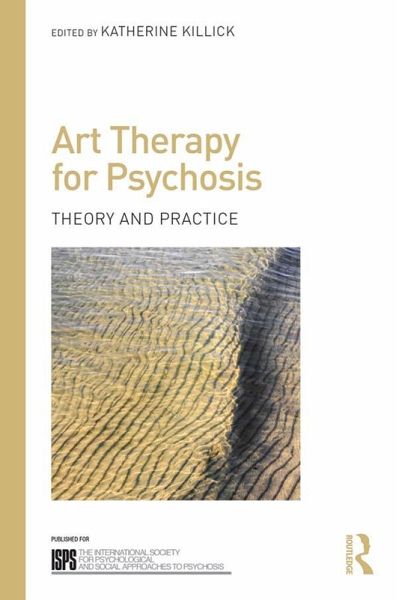
Art Therapy for Psychosis presents innovative theoretical and clinical approaches to psychosis that have developed in the work of expert clinicians from around the world. It draws on insights that have emerged from decades of clinical practice to explain why and how specialised forms of art therapy constitute a particularly appropriate psychotherapeutic approach to psychosis.
The contributors present a diverse range of current theoretical perspectives on the subject, derived from the fields of neuroscience, phenomenology and cognitive analytic theory, as well as from different schools of psychoanalysis. Collectively, they offer insights into the specific potentials of art therapy as a psychotherapeutic approach to psychosis, and describe some of the specialised approaches developed with individuals and with groups over the past 20 years. Throughout the book, the meaning and relevance of art-making as a medium for holding and containing unbearable, unthinkable and unspeakable experiences within the psychotherapeutic setting becomes apparent. Several of the chapters present detailed illustrated case studies which show how making visual images with an appropriately trained art psychotherapist can be a first step on the path into meaningful relatedness.
This book offers fresh insights into the nature of psychosis, the challenges encountered by clinicians attempting to work psychotherapeutically with people in psychotic states in different settings, and the potentials of art therapy as an effective treatment approach. It will be essential reading for mental health professionals who work with psychosis, including psychiatrists, psychoanalysts, psychotherapists and arts therapists, and those in training.
Full colour versions of the illustrations can be viewed at http://isps.org/index.php/publications/book-series/publication-photos
Please see p. ix of the book for details of how to access them.
The contributors present a diverse range of current theoretical perspectives on the subject, derived from the fields of neuroscience, phenomenology and cognitive analytic theory, as well as from different schools of psychoanalysis. Collectively, they offer insights into the specific potentials of art therapy as a psychotherapeutic approach to psychosis, and describe some of the specialised approaches developed with individuals and with groups over the past 20 years. Throughout the book, the meaning and relevance of art-making as a medium for holding and containing unbearable, unthinkable and unspeakable experiences within the psychotherapeutic setting becomes apparent. Several of the chapters present detailed illustrated case studies which show how making visual images with an appropriately trained art psychotherapist can be a first step on the path into meaningful relatedness.
This book offers fresh insights into the nature of psychosis, the challenges encountered by clinicians attempting to work psychotherapeutically with people in psychotic states in different settings, and the potentials of art therapy as an effective treatment approach. It will be essential reading for mental health professionals who work with psychosis, including psychiatrists, psychoanalysts, psychotherapists and arts therapists, and those in training.
Full colour versions of the illustrations can be viewed at http://isps.org/index.php/publications/book-series/publication-photos
Please see p. ix of the book for details of how to access them.
Dieser Download kann aus rechtlichen Gründen nur mit Rechnungsadresse in A, B, BG, CY, CZ, D, DK, EW, E, FIN, F, GR, HR, H, IRL, I, LT, L, LR, M, NL, PL, P, R, S, SLO, SK ausgeliefert werden.
"This book represents a compelling case for contemporary art therapy to have a substantive place in community psychiatry for people who experience psychosis. It contains an impressive range of international contributions with detailed clinical and theoretical accounts, some by psychiatrists.
The book deserves careful attention from practitioners of all mental health disciplines who work with psychosis." - Dr Brian Martindale, Psychiatrist and Psychotherapist, Past Chair of the International Society for Psychological and Social Approaches to Psychosis, Honorary President of the EFPP, Honorary Member of the World Psychiatric Association
"Art therapy began in studios in asylums, many of which housed people experiencing psychosis. It's come a long way since then. This book shows how, bringing a welcome contemporary and international perspective to art therapy with this client population. Practitioners draw on different kinds of theoretical scaffolding - from phenomenology and cognitive analytical therapy to neurophysiology and psychoanalysis - to develop their approach, unpack how making art becomes a 'healing agent' and show how the context and relationship within which this occurs is another. The book shows just how much art therapy now has to offer to the care and treatment of people prone to psychotic states." - Andrea Gilroy, Emeritus Reader in Art Psychotherapy, Goldsmiths, University of London, UK
The book deserves careful attention from practitioners of all mental health disciplines who work with psychosis." - Dr Brian Martindale, Psychiatrist and Psychotherapist, Past Chair of the International Society for Psychological and Social Approaches to Psychosis, Honorary President of the EFPP, Honorary Member of the World Psychiatric Association
"Art therapy began in studios in asylums, many of which housed people experiencing psychosis. It's come a long way since then. This book shows how, bringing a welcome contemporary and international perspective to art therapy with this client population. Practitioners draw on different kinds of theoretical scaffolding - from phenomenology and cognitive analytical therapy to neurophysiology and psychoanalysis - to develop their approach, unpack how making art becomes a 'healing agent' and show how the context and relationship within which this occurs is another. The book shows just how much art therapy now has to offer to the care and treatment of people prone to psychotic states." - Andrea Gilroy, Emeritus Reader in Art Psychotherapy, Goldsmiths, University of London, UK